6 hr 30 min
Chianti Wine Country Experience from Florence
- Expert local guide
- Small group
- Skip-the-line access
- Free cancellation
Chianti Wine Tour From San Gimignano — Reserve Your Vineyard Experience
Rolling vineyards meet medieval towers, one glass at a time
Compare fares, pick the fit — all bookings are mobile-voucher and eligible for free cancellation where shown.
6 hr 30 min
11 hr
6 hr
Planning a chianti wine tour from san gimignano requires choosing between self-guided exploration and structured winery experiences. Select the format that best aligns with your preferences for flexibility versus expert-led insights.
| Self-Guided Access Guided Winery Tour | Full Flexibility Structured Tastings | |
|---|---|---|
| Entrance Fee | 0 EUR | Varies by vineyard |
| Access Area | Public roads and region | Exclusive cellar and estate |
| Booking Requirement | None | Required for all tastings |
| Availability | Year-round | Subject to estate slots |
| Best for | Independent travelers | First-timers seeking education |
Verdict: For a comprehensive chianti wine tour from san gimignano tour, guests should choose the guided winery experience to access private estates, while the self-guided option is ideal for those prioritizing travel freedom using chianti wine tour from san gimignano tickets.
Worth it for wine enthusiasts seeking variety
A chianti wine tour from san gimignano delivers solid value if you want guided access to multiple wineries without navigation hassle. Tours typically include two or three estate visits with tastings of Chianti Classico, Super Tuscans, and sometimes Vernaccia, plus vineyard walks and cellar tours led by sommeliers or winemakers. Prices run €50–90 per person for half-day formats, €90–140 for full-day combinations that add Siena or other hill towns. The region itself has free entry, but self-driving means booking individual tastings (€15–30 each) and dealing with winding roads after sampling wine. Tours handle logistics, offer volume discounts on bottles, and provide context on DOCG classifications and terroir that you miss when visiting independently. Skip if you prefer spontaneous exploration or already know the denominazione system—rent a car and visit cooperatives instead.
Bottom line: Book a dedicated chianti wine tour from san gimignano if tasting variety and safe transport outweigh the freedom to roam at your own pace.
They complement each other; most visitors who do both call the chianti wine tour from san gimignano the more immersive countryside experience, whereas the city walk offers deeper historical engagement.
|
Top pick Chianti Wine Tour |
Siena City Tour | |
|---|---|---|
| Primary focus | Wine tasting and vineyards | Medieval urban history |
| Transportation | Van or private car | Walking and bus |
| Best for | Wine enthusiasts and nature lovers | History buffs and architecture fans |
| Typical duration | Full day (7–9 hours) | Half day to full day (3–6 hours) |
| Activity level | Low (relaxed pace) | High (extensive walking) |
| Price range | 120–250 EUR (varies) | 40–120 EUR (varies) |
| Key feature | Cellar visits and tastings | Cathedral and Piazza del Campo |
| See tickets & prices |
Verdict: Choose the chianti wine tour from san gimignano if your priority is sensory landscape exploration, while the city walking tour is the better choice for those seeking architectural context and urban atmosphere.
Hand-picked experiences loved by thousands of travelers
12 hours
Free Cancellation
Explore three iconic Tuscan destinations with a guided coach tour, wine tasting, and authentic lunch
5 hours
Free Cancellation
Half-day escape to Tuscany's wine country with cellar tours, seven wine tastings, and local delicacies
7 hours
Free Cancellation
Explore two authentic Tuscan estates, sample seven regional wines, and wander the medieval towers of San Gimignano
5-7 hours
Free Cancellation
Discover Tuscan viticulture at two renowned wineries with nine wine samples, olive oil, and balsamic tastings
4.5 to 6 hours
Free Cancellation
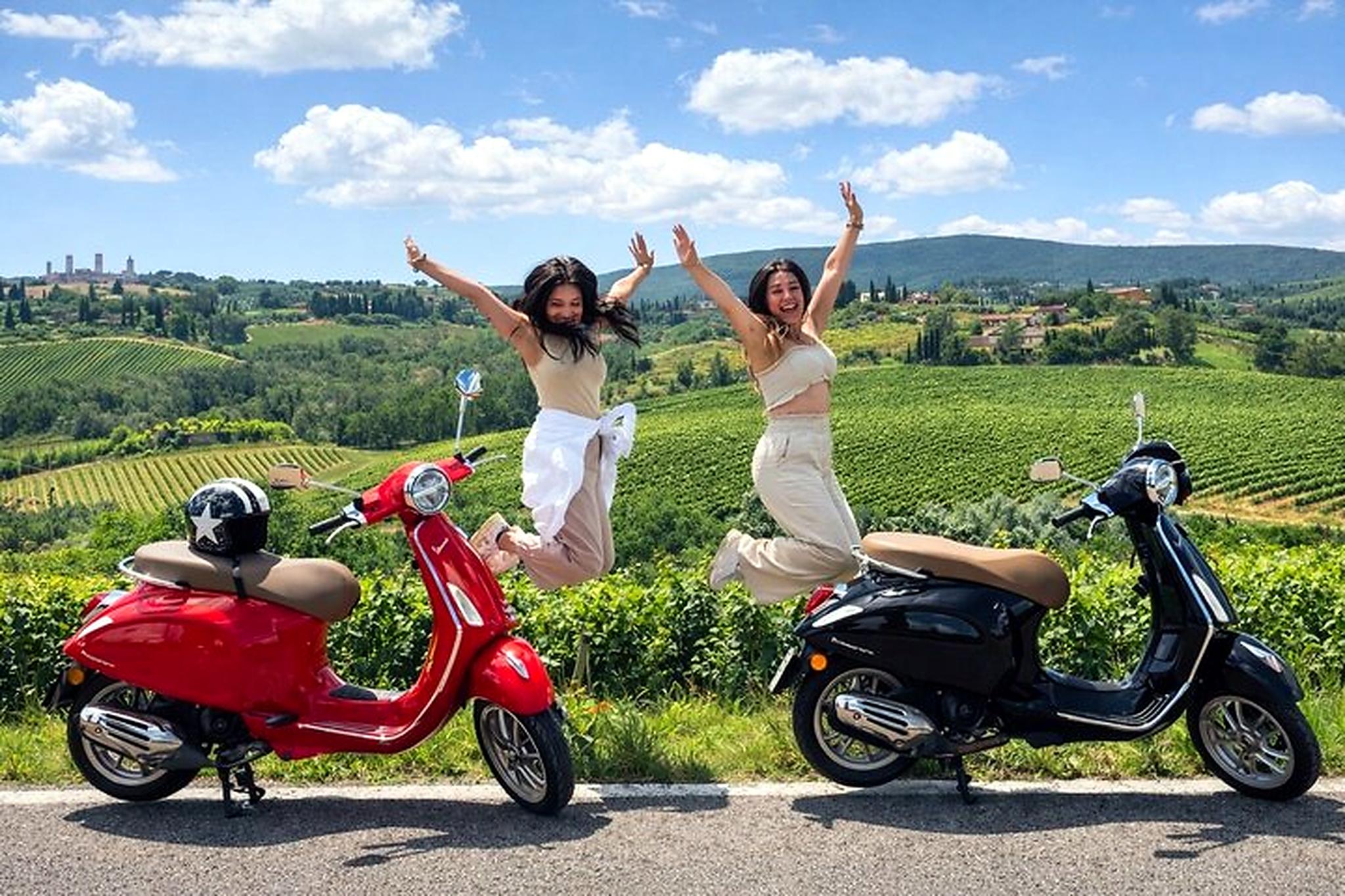
Ride a classic scooter through Chianti vineyards, stop for wine tasting and a traditional meal
5 hours
Free Cancellation
Journey through Tuscany's wine country with tastings at two estates and visits to hilltop villages
5 to 9 hours
Free Cancellation
Escape to Chianti's rolling vineyards for wine tastings, a multi-course feast, and medieval hill towns
1.5 hours
Free Cancellation
Explore a family-run Chianti estate with vineyard walks, cellar visits, and guided tastings of premium wines
Travel from San Gimignano toward the countryside
Visit a traditional estate for wine education
Enjoy regional specialties at an estate
Explore a secondary winery or cellar
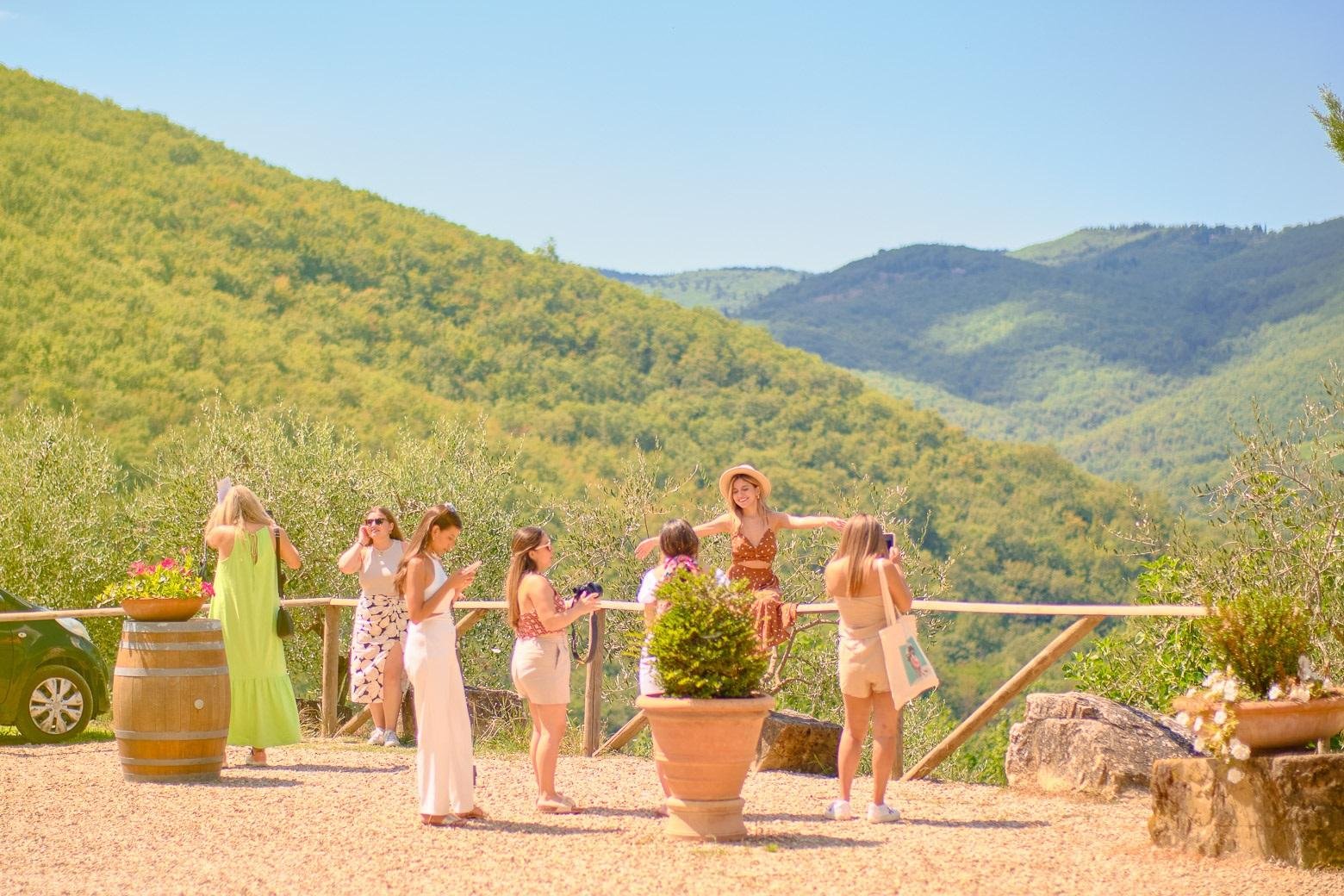
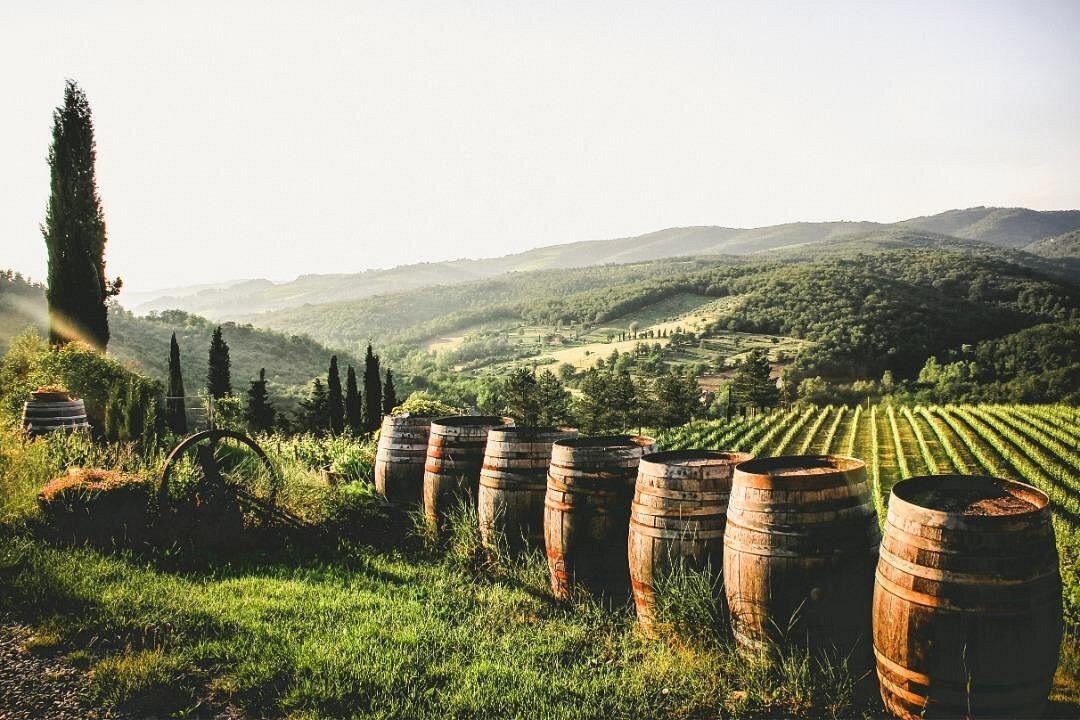
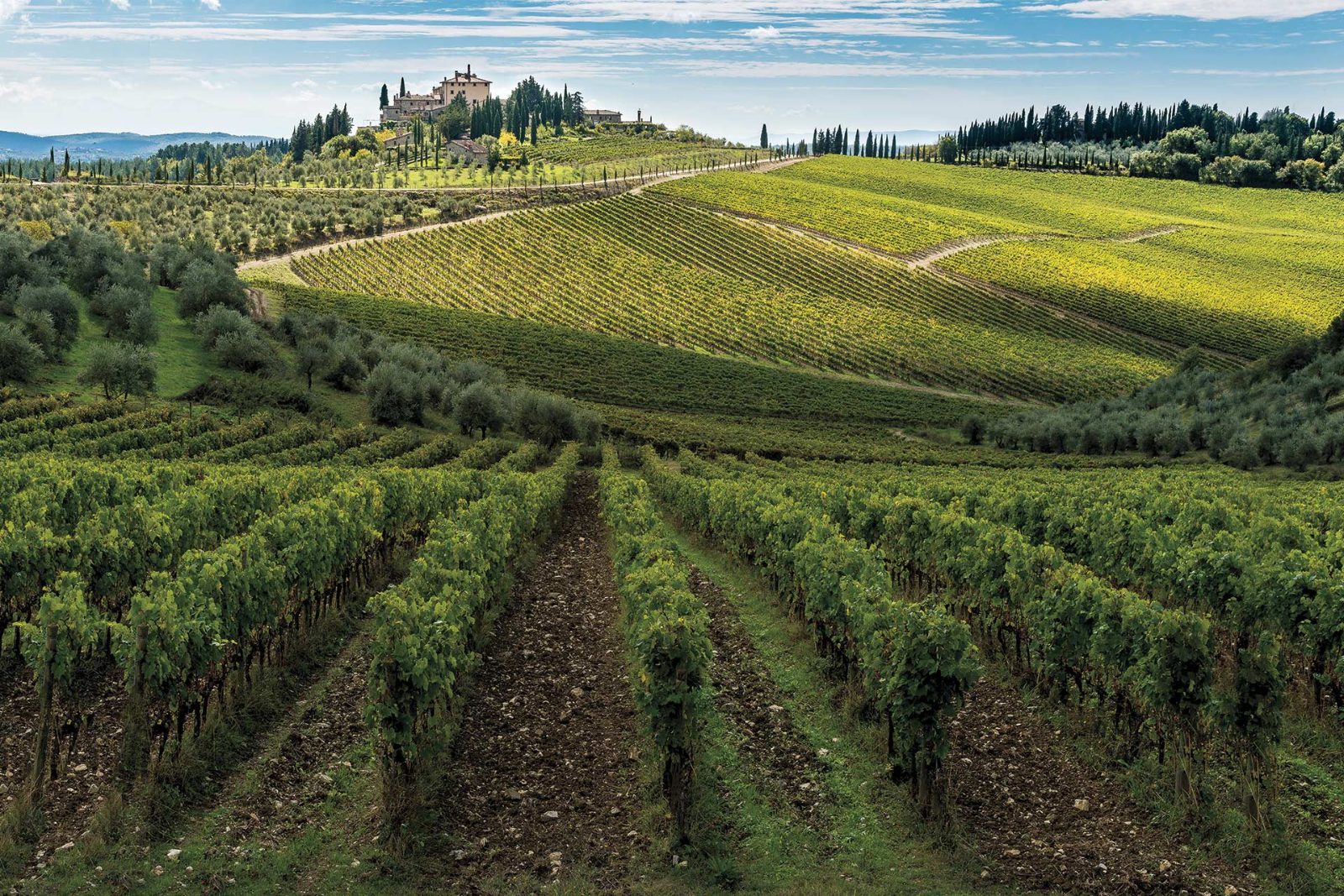
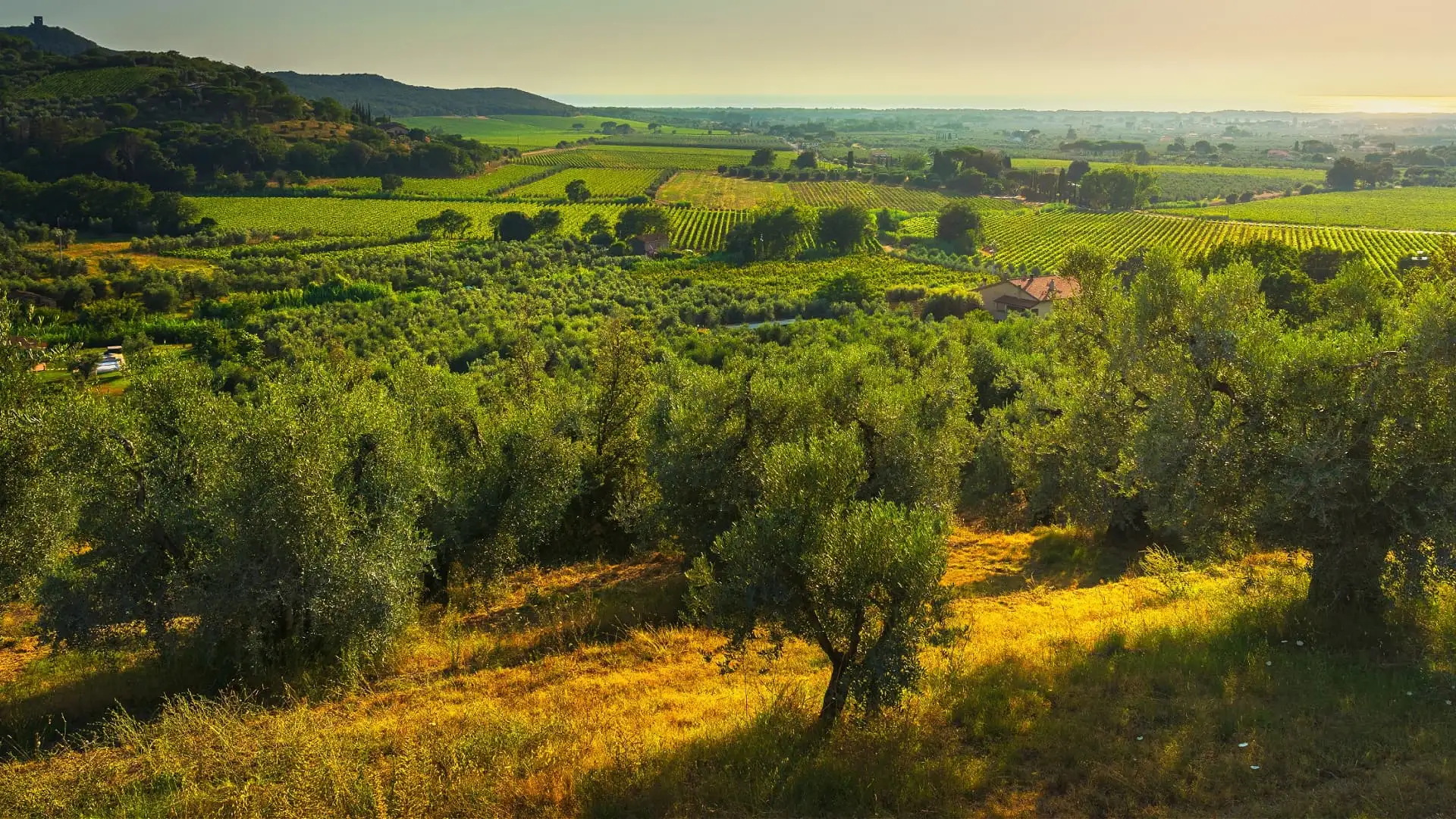
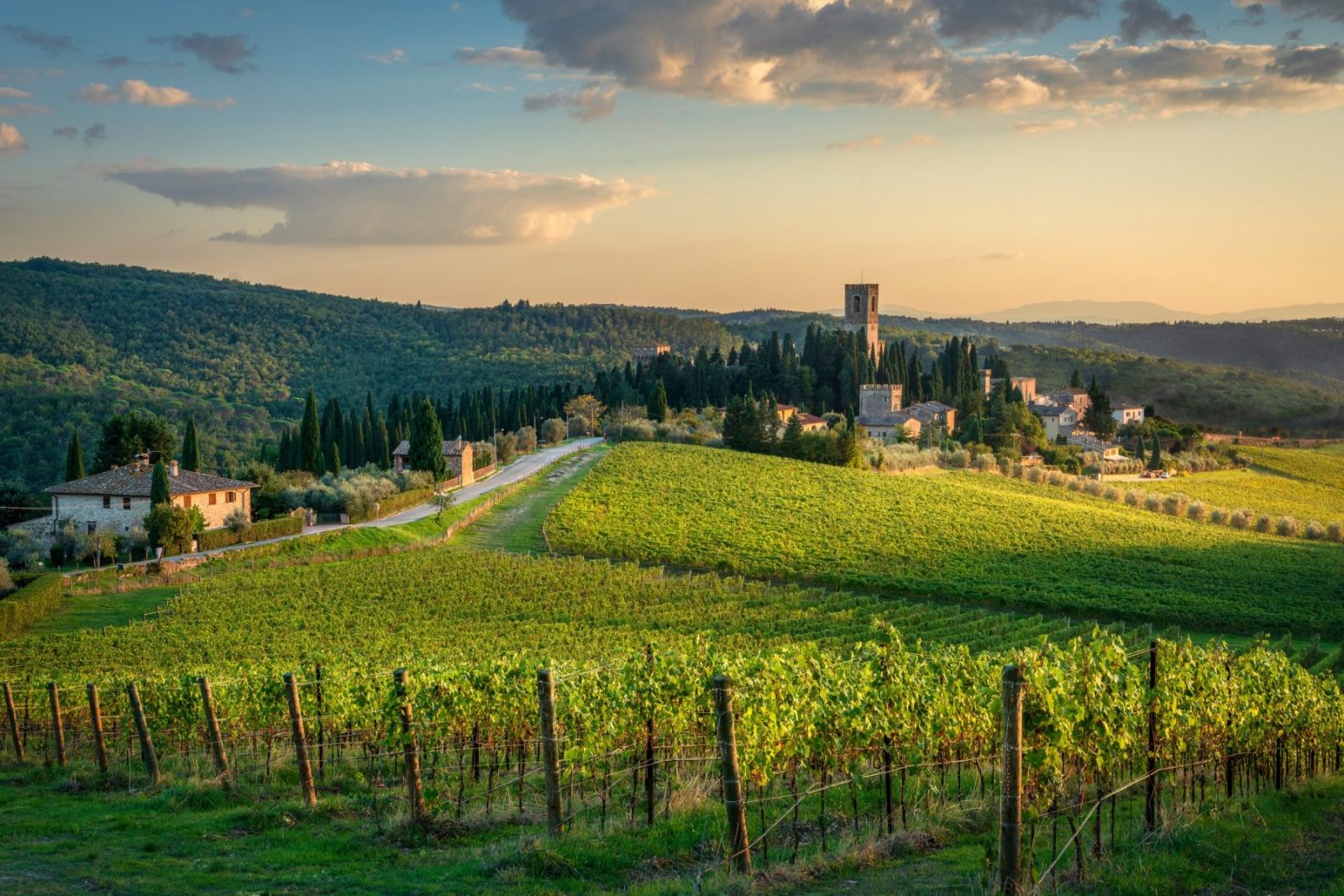
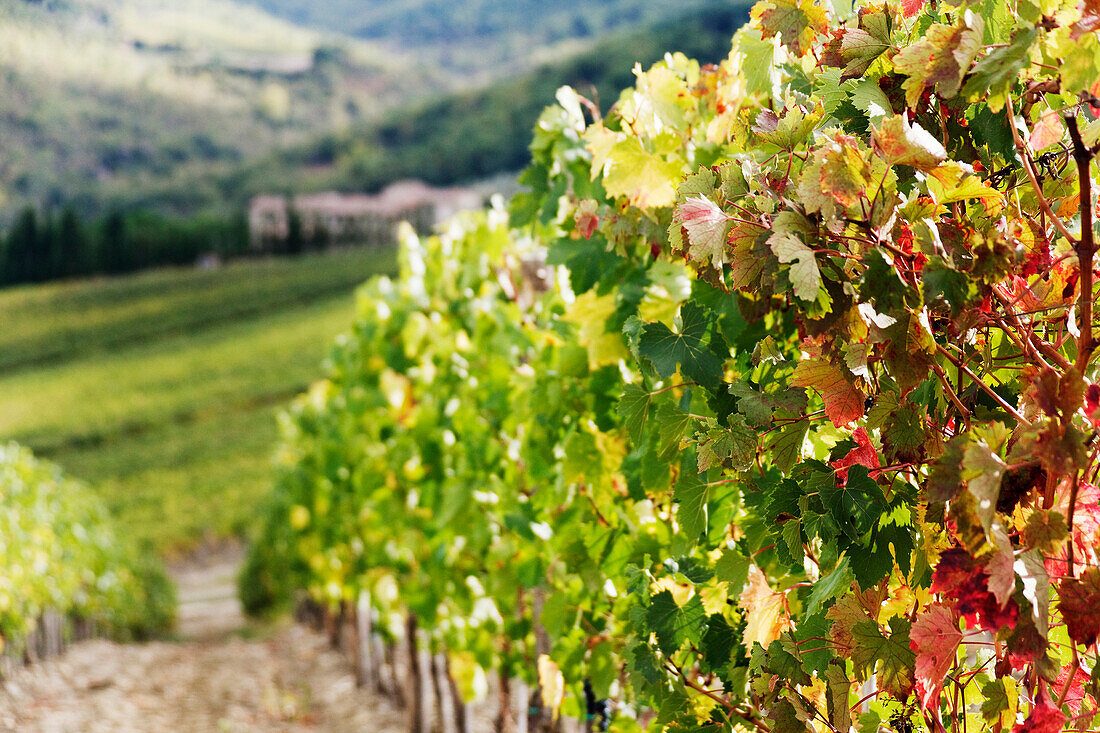
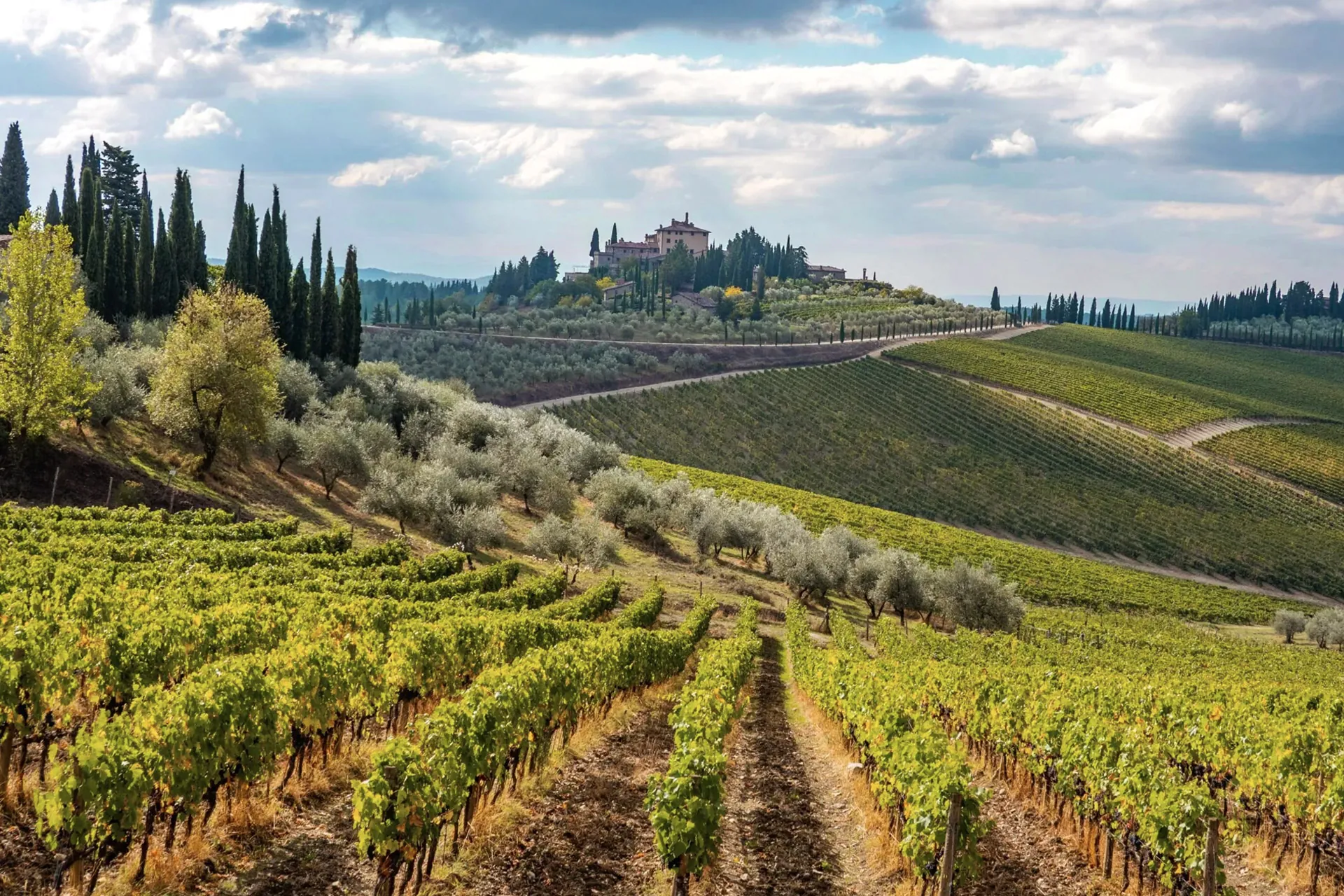
Tour the sprawling vine rows where Sangiovese grapes grow. These estates provide an immersive look at the local harvest process.
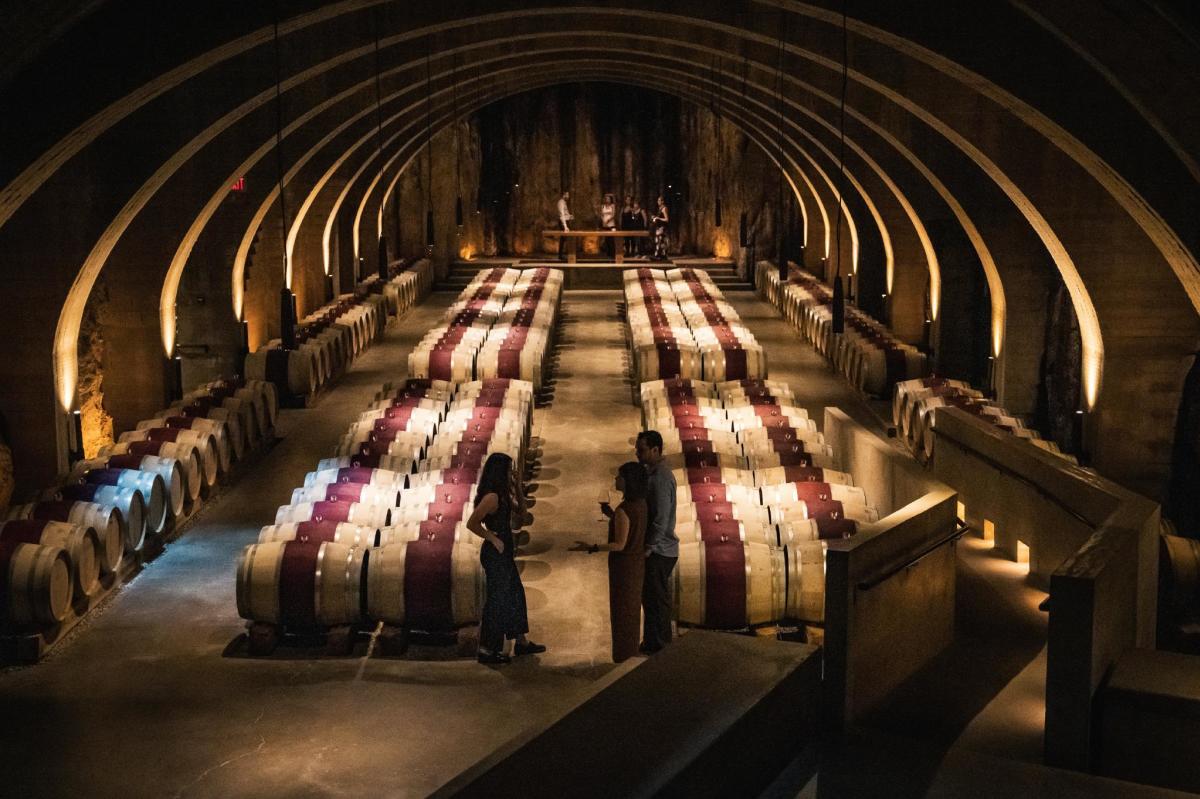
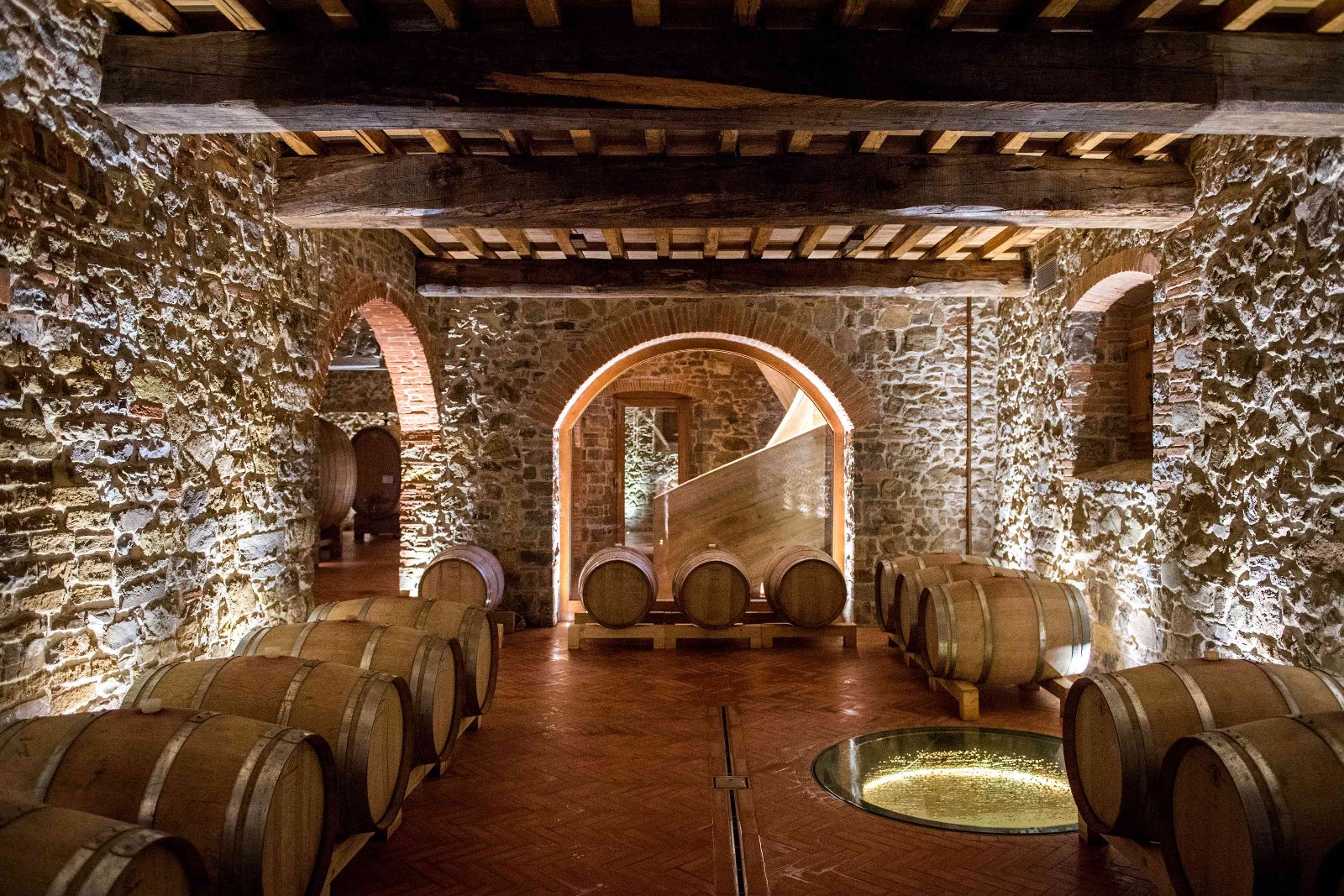
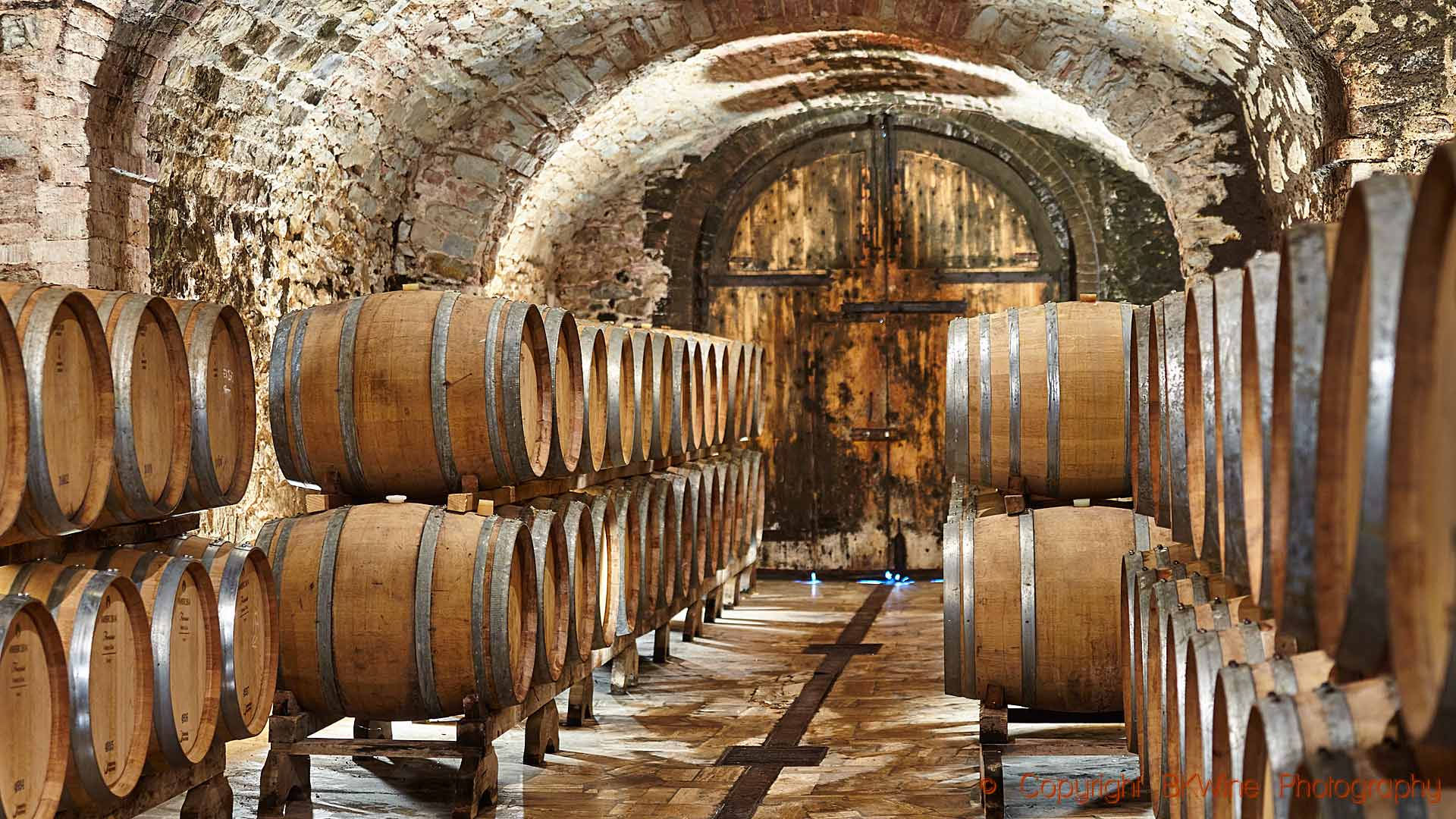
Descend into historic stone cellars where wine ages in oak barrels. Many cellars date back several centuries.
Explore the silver-leafed groves that define the Chianti region. Harvesting techniques are a highlight of many agricultural tours.
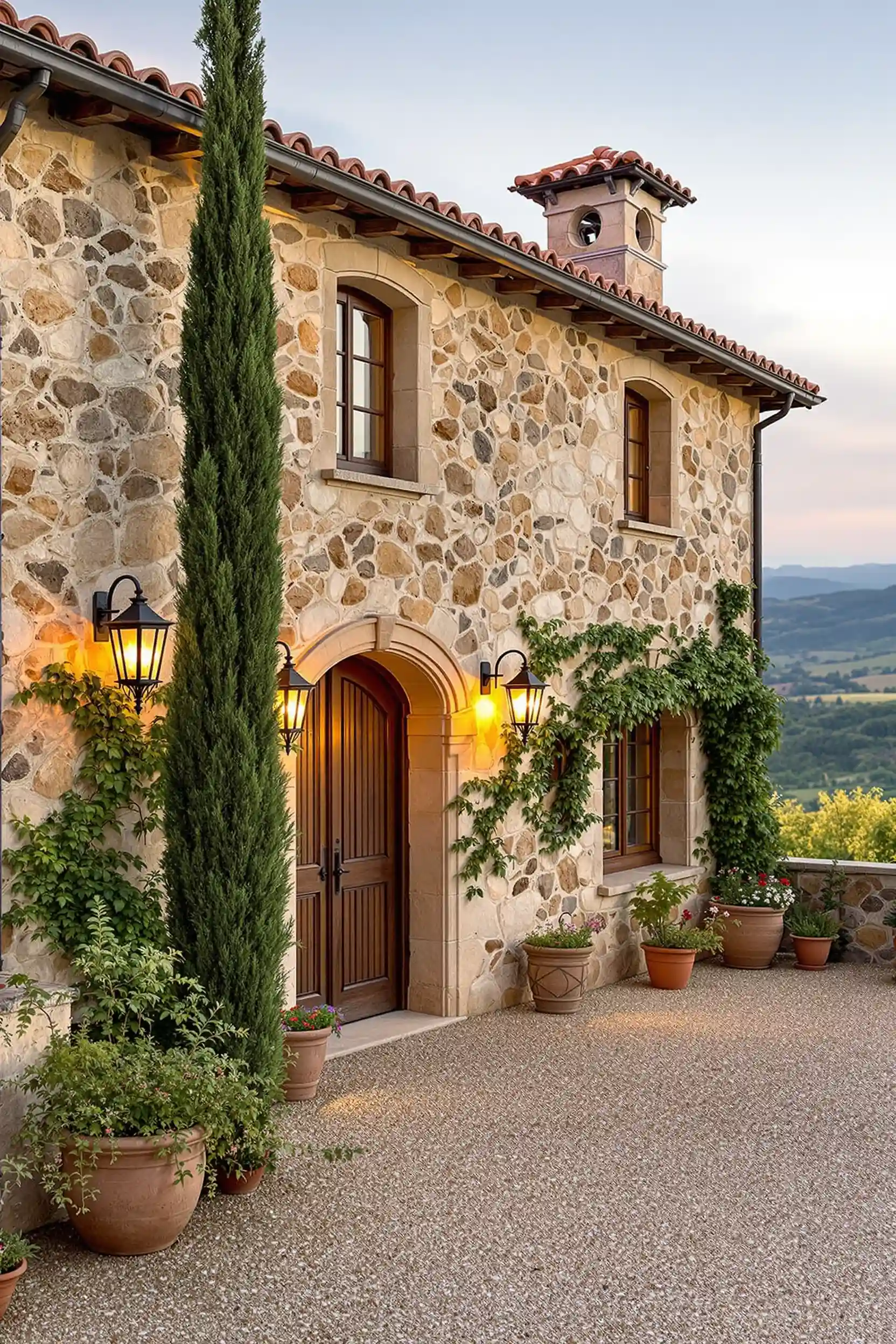
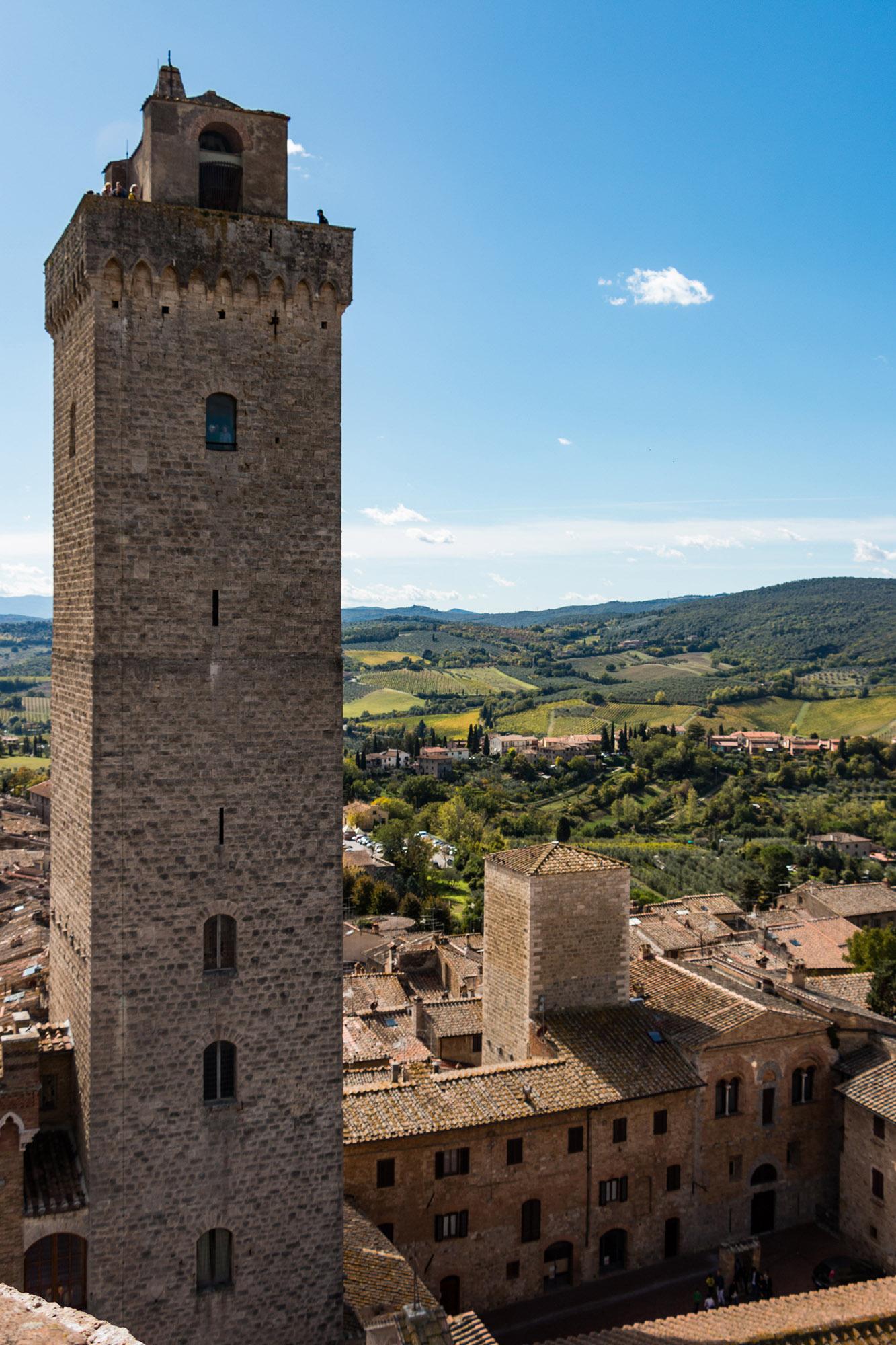
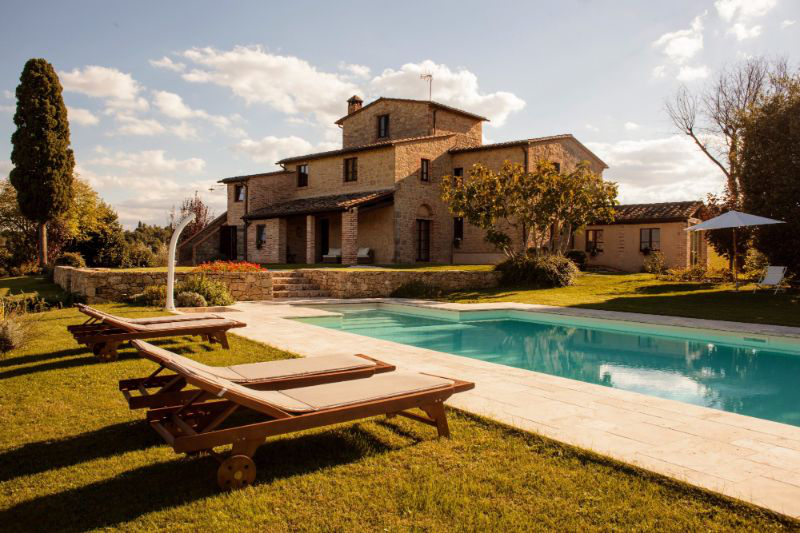
View historic stone farmhouses and towers dotting the landscape. These structures often serve as the main offices for wineries.
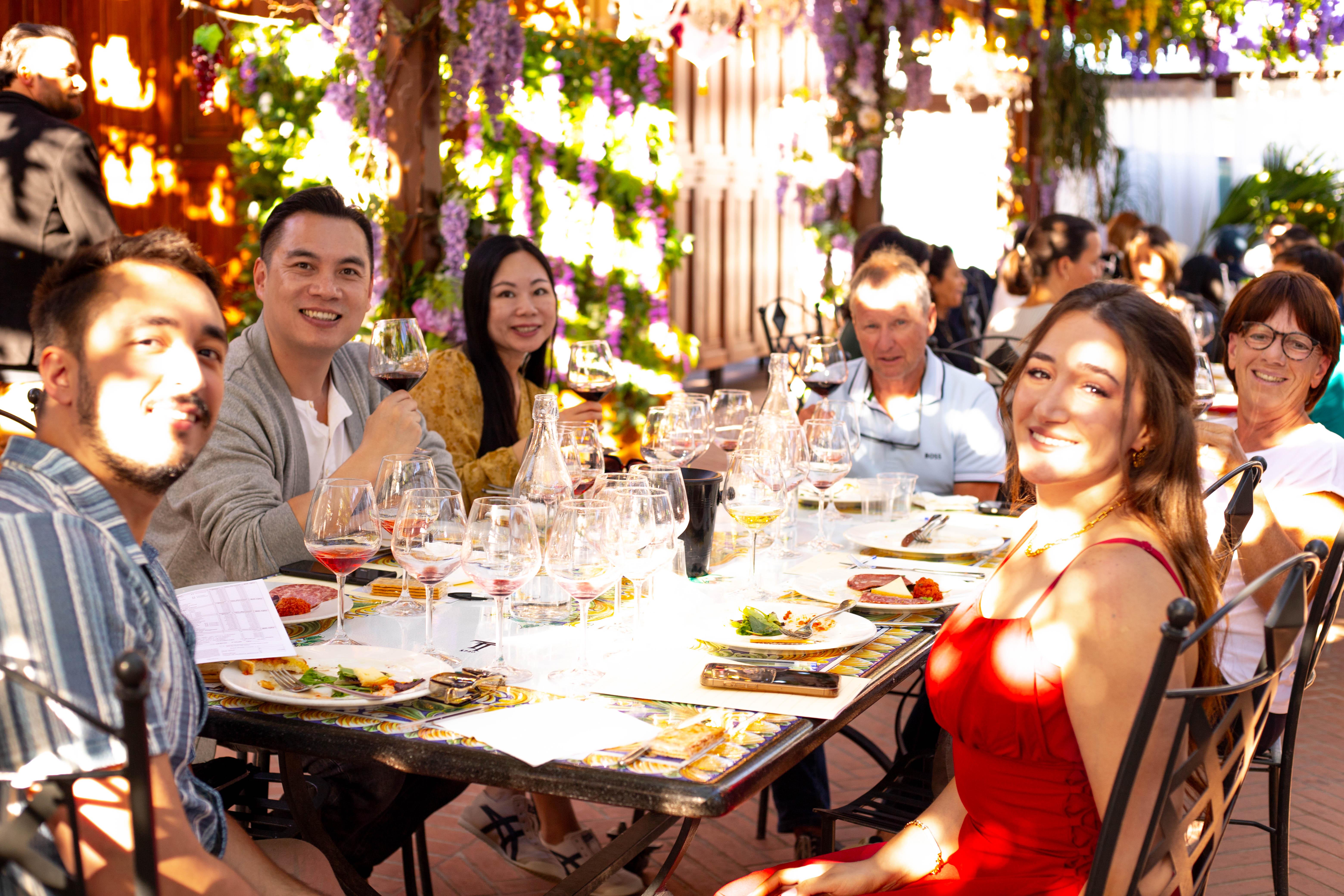
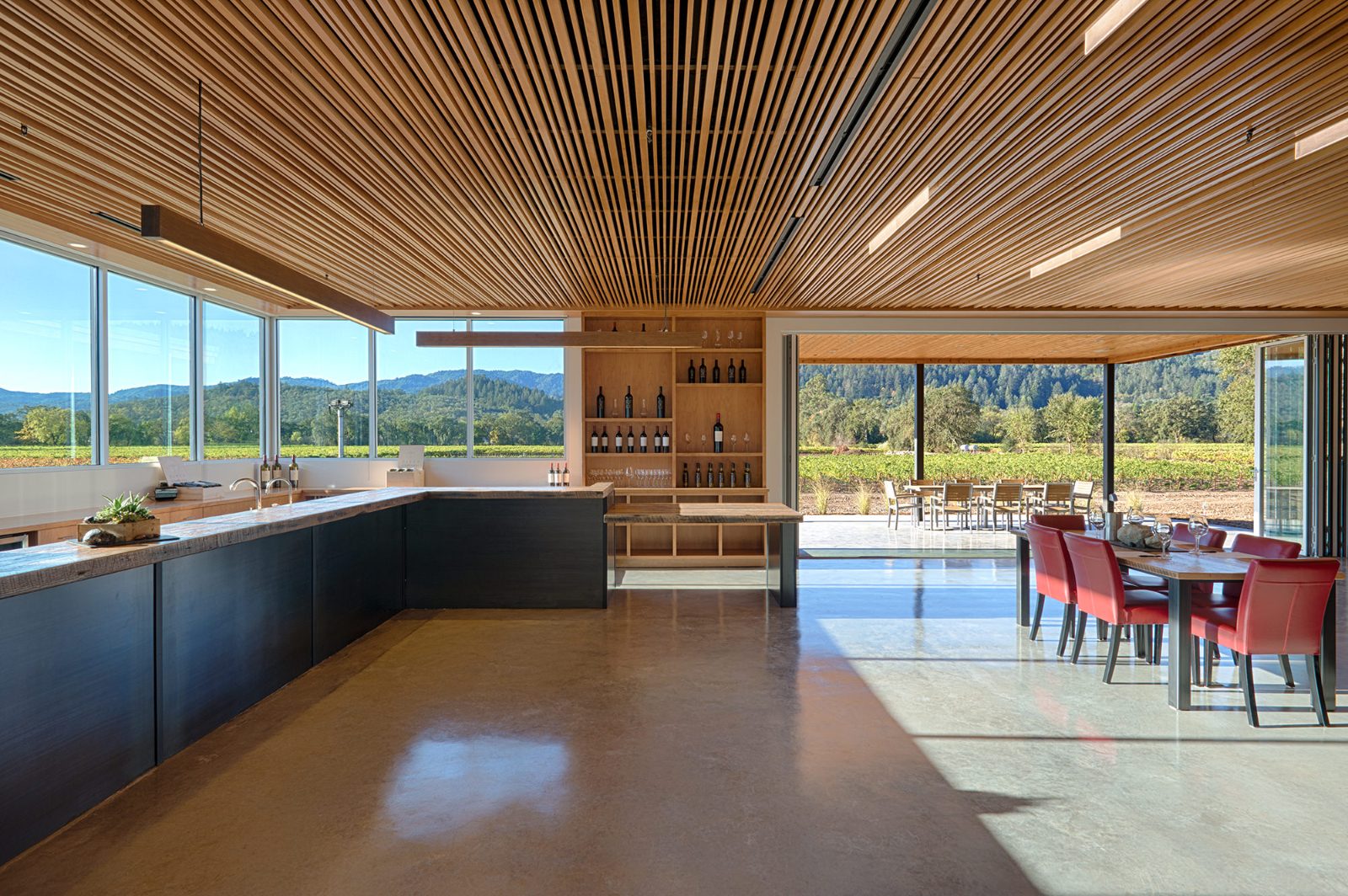
Sample various local vintages in traditional tasting halls. Sommeliers explain the unique flavor profiles of the region.
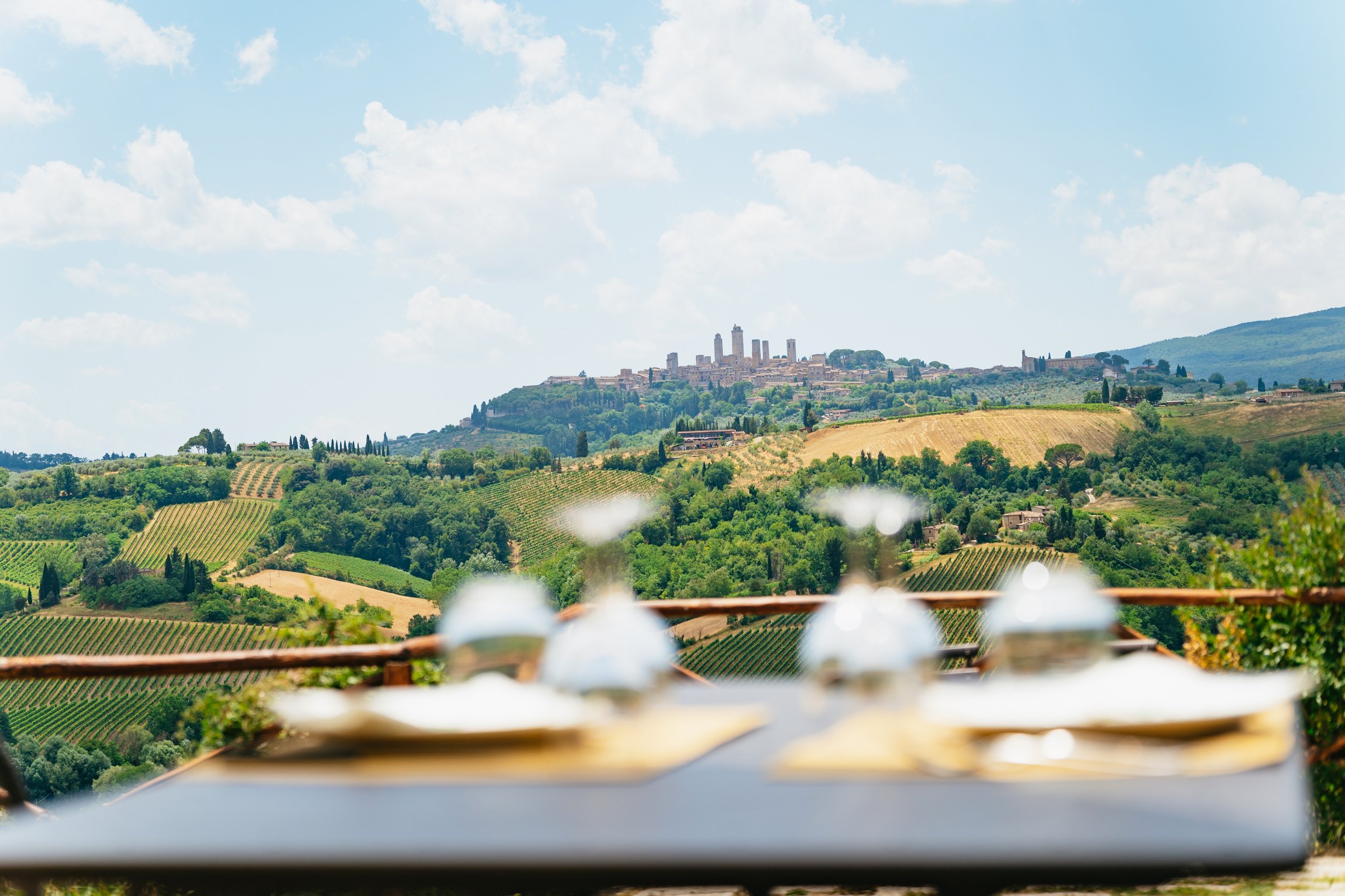
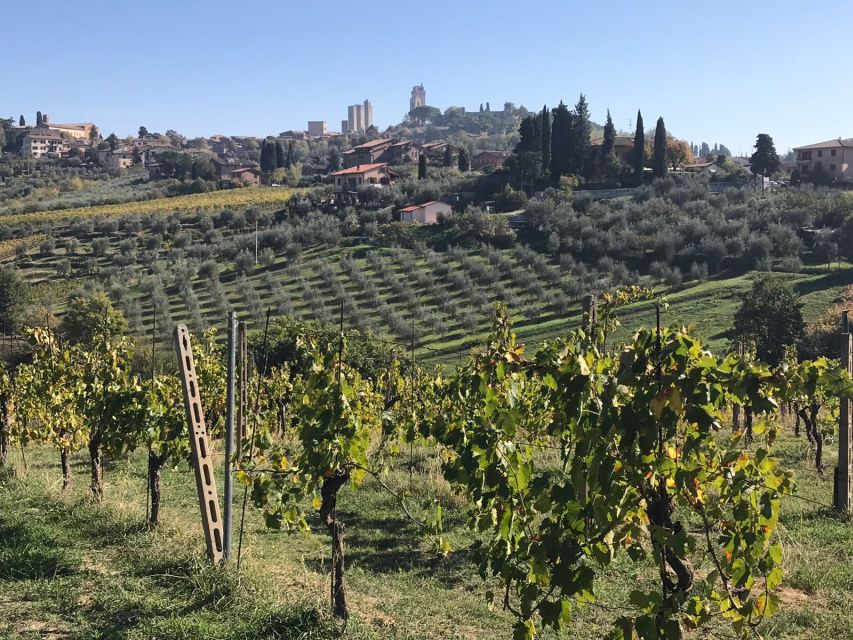
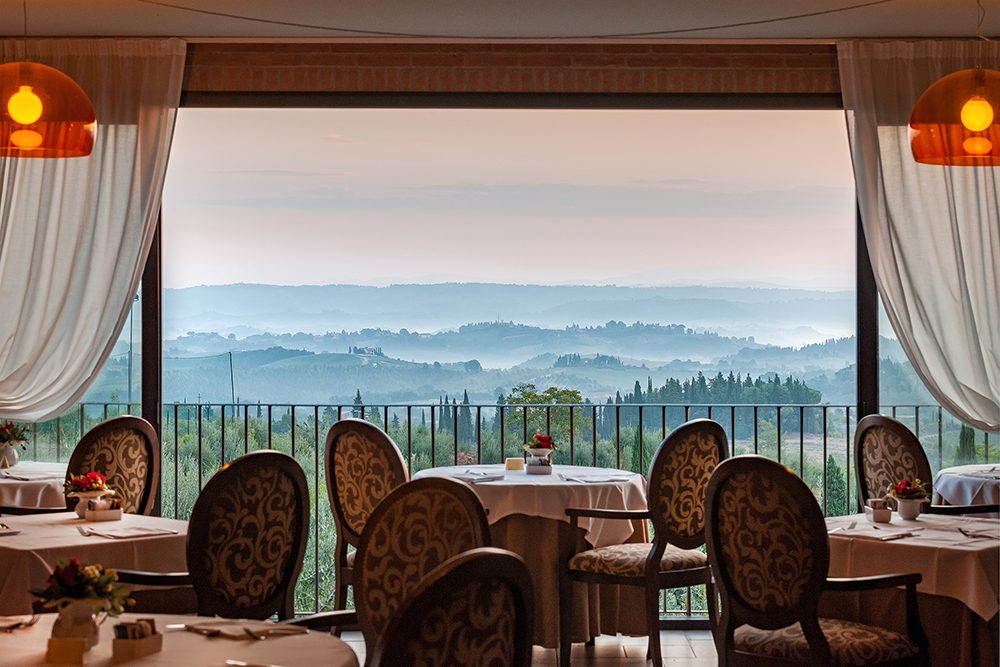
You leave San Gimignano as the morning sun angles across the Val d'Elsa, the road curving through stands of cypress and oak before opening onto the first vineyard — rows of Sangiovese vines marching up a south-facing slope.
Your first stop is a working estate where fermentation tanks stand beside centuries-old botti, the air cool and faintly sweet with the scent of oak and grape must. A cellar guide pours three wines in ascending order: a young Chianti, a riserva aged thirty months, and a super-Tuscan blend that bends DOCG rules with Merlot and French oak. You taste minerality, cherry, and tobacco in sequence, each sip paired with local pecorino and bread.
The second winery sits higher, its terrace overlooking a valley quilted with olive groves and wheat fields. Here you walk the vineyard itself, pausing at a demonstration plot where Canaiolo and Colorino grow alongside the dominant Sangiovese. The tasting room occupies a converted limonaia, its walls lined with bottles dating back to 1997. You finish with a glass of Vin Santo, the amber dessert wine made from grapes dried on straw mats, before the drive back to San Gimignano as afternoon shadows lengthen across the hills.
All the details about your upcoming adventure in one place
The Chianti wine region stretches across 70,000 hectares between Florence and Siena, a landscape of oak forests, olive groves, and terraced vineyards governed by strict DOCG regulations since 1984.
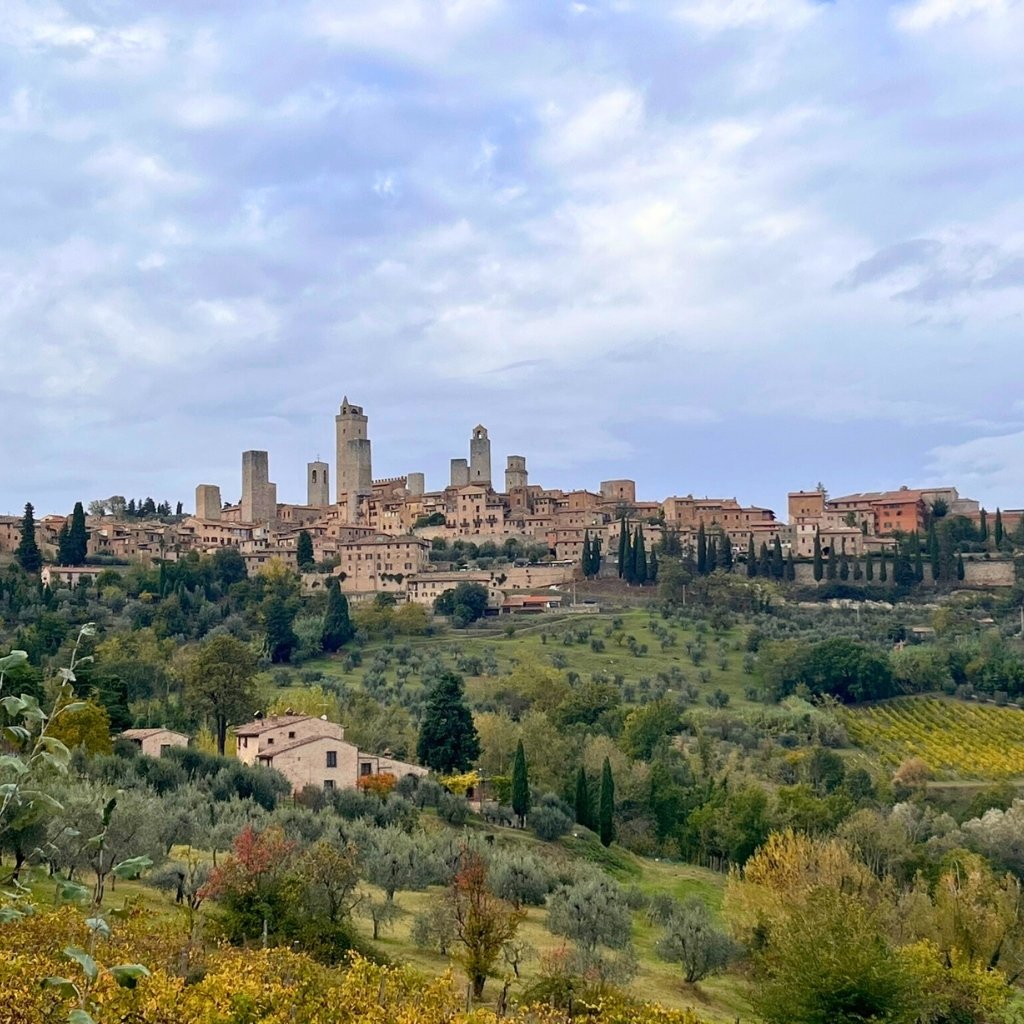
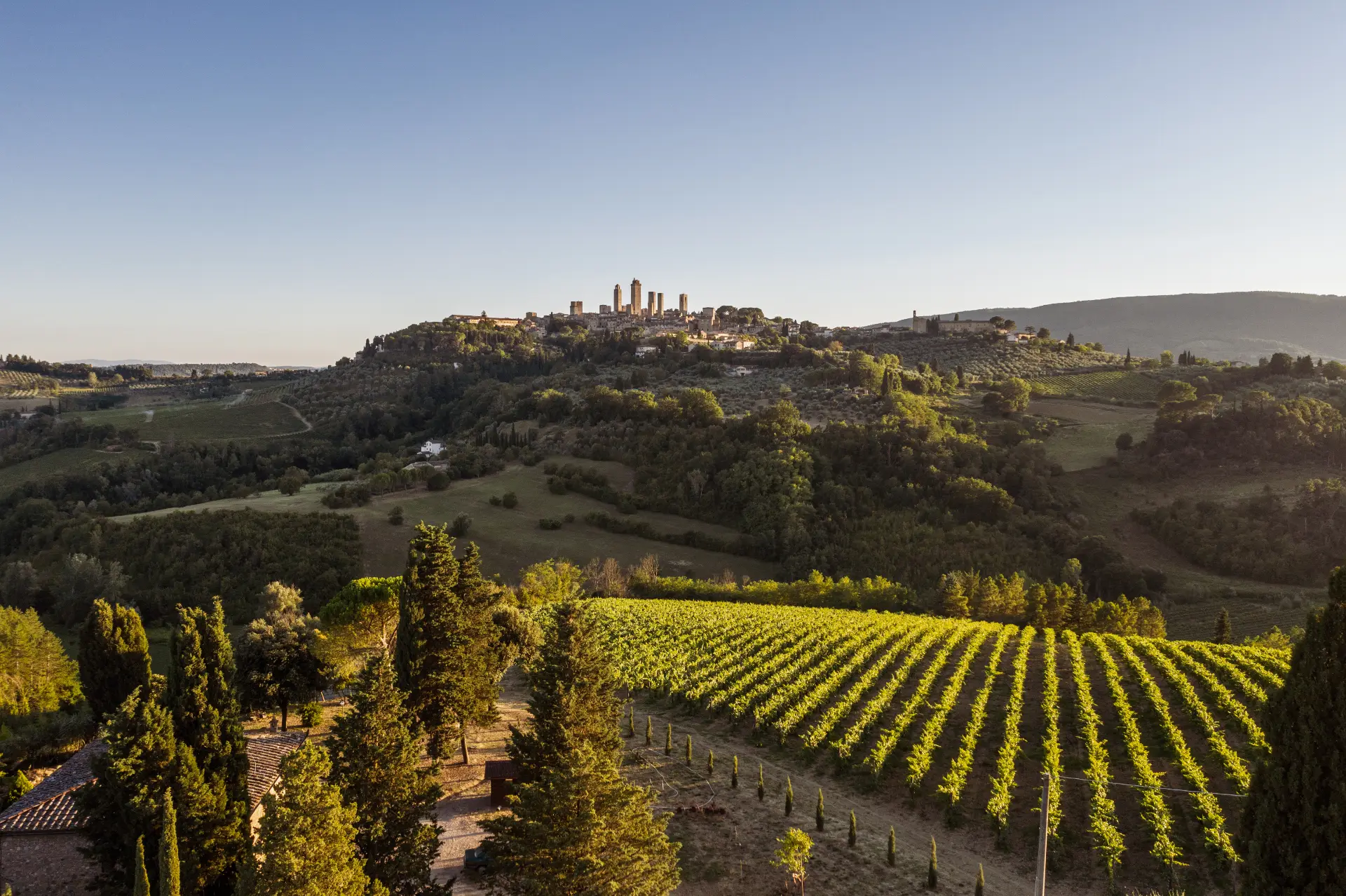
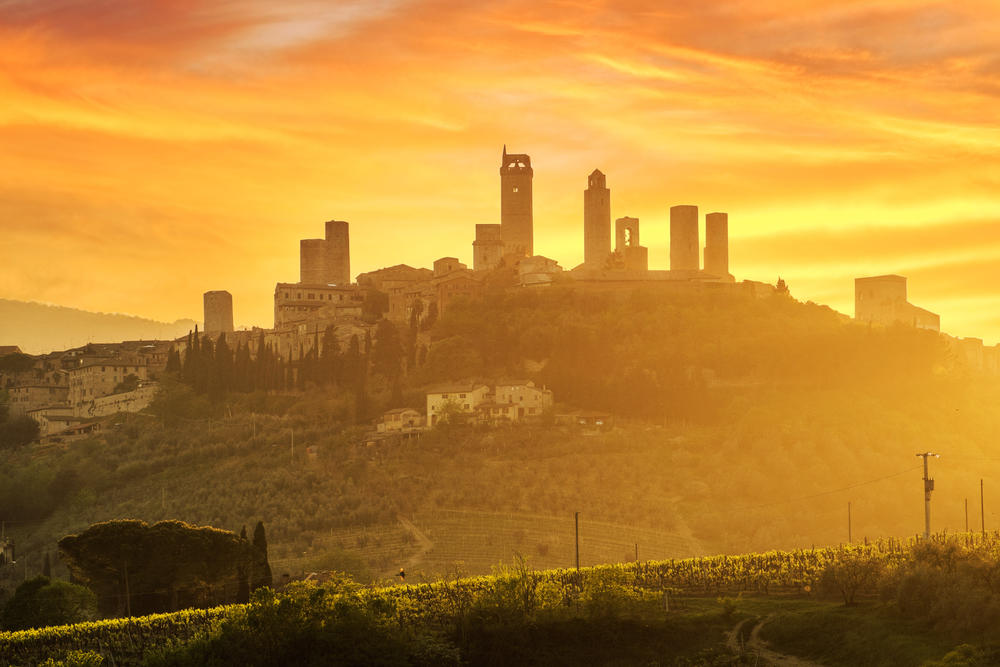
San Gimignano, perched 334 meters above sea level on the northern edge of this territory, has dispatched travelers into the heart of Chianti for centuries — first as merchants seeking the black rooster emblem wines, now as visitors tracing the strada del vino through hamlets where Sangiovese grapes have been cultivated since the thirteenth century. The journey south from San Gimignano's medieval towers takes you through the Colli Senesi subzone, where clay-rich galestro soil imparts the bright acidity and firm tannins that define Chianti Classico.
A Chianti wine tour from San Gimignano typically covers two to three estates within a radius of fifteen kilometers, each offering a distinct interpretation of the DOCG formula — minimum eighty percent Sangiovese blended with Canaiolo, Colorino, or international varietals like Merlot and Cabernet Sauvignon. Many properties occupy restored farmhouses or Renaissance villas with underground cellars carved into tufa stone, where fermentation still occurs in traditional Slavonian oak botti ranging from 2,000 to 10,000 liters. Guided tastings often pair reserve vintages with pecorino stagionato, finocchiona salami, and Tuscan bread baked without salt, a regional peculiarity dating to a twelfth-century salt tax.
The Chianti hills rise gently to 600 meters, their ridges planted in the governo system — a post-fermentation technique using dried grapes to trigger secondary fermentation and soften young wines. Autumn transforms the landscape into a patchwork of rust and amber as harvest approaches, while spring sees wildflowers colonize the rows between vines. Access to most estates requires advance booking; the region remains free to explore, though individual winery tours and tastings carry separate fees. Tours departing San Gimignano operate daily from 09:00 to 18:00, with morning departures between 09:30 and 11:00 offering cooler temperatures and quieter tasting rooms before midday tour groups arrive.

The journey south from San Gimignano's towers takes you through clay-rich galestro soil where Sangiovese has thrived for eight centuries.
Casual and comfortable attire is recommended for a chianti wine tour from san gimignano. Sturdy footwear is advisable for walking across vineyard terrain.
Small daypacks are generally permitted during your chianti wine tour from san gimignano. Large luggage pieces are typically restricted due to vehicle space limitations.
Photography is encouraged at most stops during a chianti wine tour from san gimignano. Always request permission before taking photos of private cellar interiors.
Some operators welcome children, though wine tasting is restricted to adults over 18. Verify age policies for each chianti wine tour from san gimignano before finalizing reservations.
Vineyard accessibility varies significantly across the Chianti wine region. Please confirm specific mobility requirements before booking your chianti wine tour from san gimignano.
External food and beverages are generally prohibited during a guided chianti wine tour from san gimignano. Most tours include structured tastings and locally sourced light snacks.
Opening Hours
09:00–18:00
Address
Chianti Wine Region, Tuscany, Italy
Accessibility
Varies by vineyard; contact operators directly
Best Arrival
09:30–11:00
Storage
Not available on most transport vehicles
Region
Chianti countryside
Car · Varies · Rental fees
Follow provincial roads like the SP1 toward Chianti. Parking is available at most designated wineries.
Taxi · 45-60m · Cost varies
Hire private drivers for flexible travel. High availability for a custom chianti wine tour from san gimignano.
Full refunds are typically available for cancellations made at least 24 to 48 hours prior to the scheduled start time. Note that the 0 EUR entrance fee applies to the region, but individual winery tours require booking.
Recommended time
Full day
A proper chianti wine tour from san gimignano requires a full day to explore the sprawling vineyards and historic cellars of the region. Visitors utilizing chianti wine tour from san gimignano tours often spend several hours transitioning between estates to sample local sangiovese and learn about viticulture. While chianti wine tour from san gimignano tickets are not required for region access, booking individual cellar appointments ensures a seamless experience as crowds increase toward the afternoon. Those seeking a deeper look into Tuscan terroir should plan for extra travel time between rural properties.
Crowd levels through the day
Weather · crowds · average price — dots go green to amber to red as each metric rises.
Mild temperatures and green landscapes make this ideal for a chianti wine tour from san gimignano. Expect pleasant weather and blooming wildflowers.
Warm and sunny, providing perfect light for photography. Booking your chianti wine tour from san gimignano early is essential to avoid crowds.
The harvest season offers unique opportunities to see local production. September is particularly vibrant for a chianti wine tour from san gimignano.
Quieter period for visiting, though many wineries reduce operations. Excellent for a private chianti wine tour from san gimignano if flexible.
Secure your spot for a chianti wine tour from san gimignano by booking online ahead of time. This ensures availability during peak travel months.
Clarify if your booking includes pickup from San Gimignano or if you must arrange independent transit. Many tours provide meeting instructions clearly on tickets.
Drink plenty of water between wine tastings during the day. The sun in the countryside can be intense, especially in the afternoon.
Dress modestly when visiting local churches if your tour includes town stops. Respect private property while exploring vineyard grounds.
Piazzale Martiri di Montelungo
Check your specific tour voucher for details
Get directionsThe Chianti hills between Florence and Siena have sustained viticulture since Etruscan settlements planted vines before Roman conquest. By the thirteenth century, Florentine merchants traded local red wines across Mediterranean ports, though inconsistent blending and storage limited their reputation. In 1716, Grand Duke Cosimo III de' Medici issued an edict defining the boundaries of Chianti, Pomino, Carmignano, and Val d'Arno di Sopra—the first legal demarcation of wine zones in Europe. This decree formalized the territory stretching from the walls of Florence south through the communes of Radda, Gaiole, and Castellina, establishing geographic identity centuries before French appellations emerged. The nineteenth century brought the Ricasoli formula. Baron Bettino Ricasoli, statesman and owner of Castello di Brolio, experimented with grape ratios during the 1840s and published his blend in 1872: Sangiovese for structure and aroma, Canaiolo for softness, and white Malvasia for early drinkability. His prescription became the blueprint for Chianti production, though it also locked the region into a style that critics later dismissed as thin and acidic. The advent of phylloxera in the 1890s devastated vineyards across Tuscany, forcing replanting on American rootstock and accelerating sharecropping collapse. By the 1960s, mass production under the generic Chianti DOC label—permitting white grapes and high yields—diluted quality and tarnished the region's reputation with fiasco-bottled table wine flooding export markets. A Chianti wine tour from San Gimignano today traces the recovery that began in 1984, when the Chianti Classico consortium separated from the broader DOC and mandated stricter aging, higher Sangiovese percentages, and lower yields. The black rooster symbol—adopted from the medieval league of Chianti communes—now marks bottles aged in centuries-old cellars and modern vinification facilities alike. Gallo Nero estates between San Gimignano and Castellina retain stone farmhouses, terraced slopes, and oak barrels that connect contemporary winemaking to the territorial identity Cosimo III codified three centuries ago.
Etruscans cultivate vines on Chianti hillsides, establishing viticulture in central Tuscany.
Grand Duke Cosimo III issues Europe's first wine appellation decree, legally defining Chianti boundaries.
Baron Bettino Ricasoli publishes his Sangiovese-dominant formula, standardizing Chianti blending practices.
Phylloxera epidemic destroys Tuscan vineyards, forcing replanting on resistant American rootstock.
Mass production under generic Chianti DOC floods markets with low-quality fiasco-bottled wine.
Chianti Classico separates as DOCG appellation, enforcing stricter aging and Sangiovese minimums.
Chianti Classico bans white grape additions, mandating 80–100 percent Sangiovese in all blends.
Sustainable viticulture and single-vineyard crus elevate Chianti Classico to international fine-wine status.
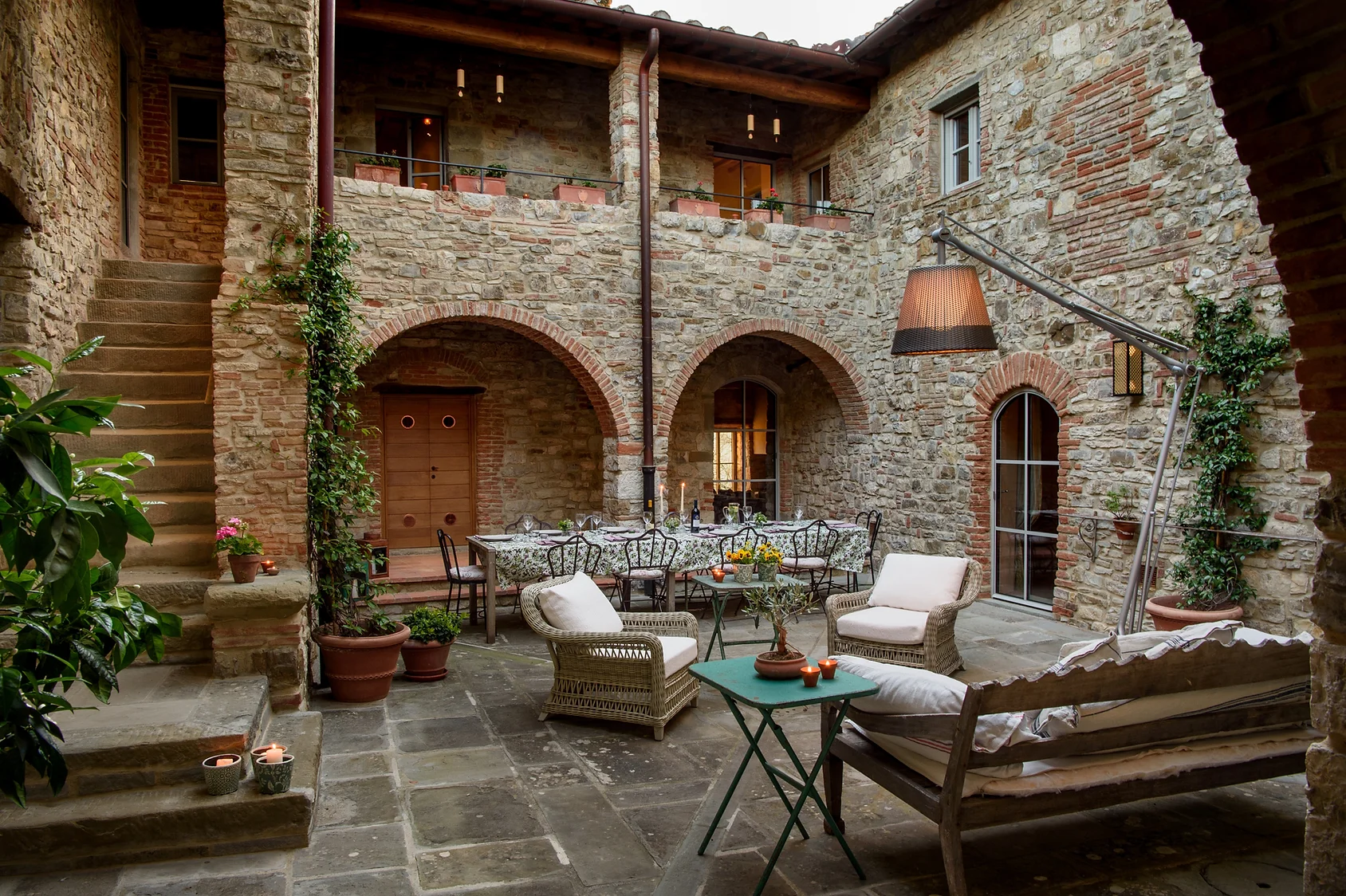
Stand on the stone terrace for sweeping views of the valley floor and cypress-lined driveways, perfect for a chianti wine tour from san gimignano.
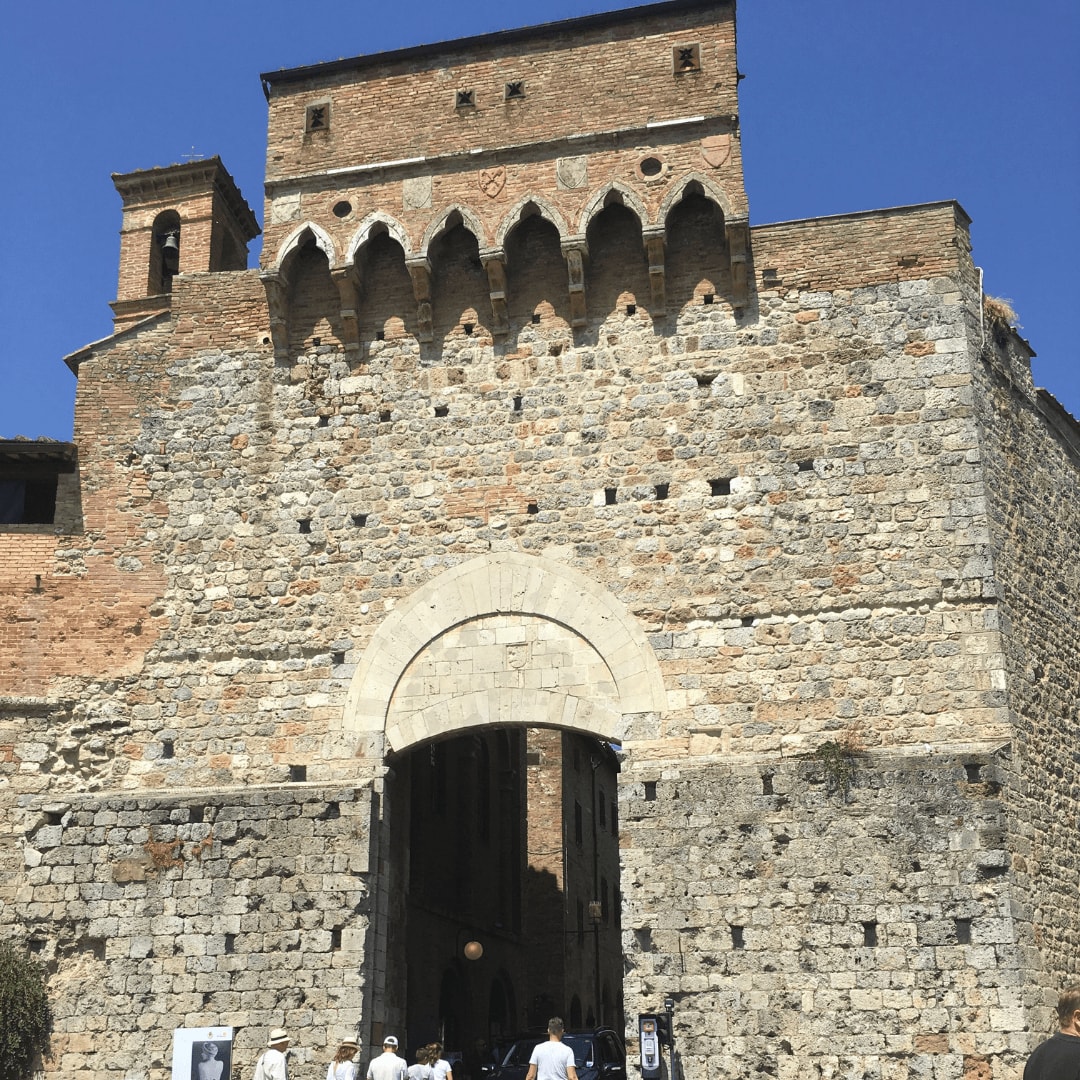
Capture the medieval fortifications and narrow limestone alleys that define this historical tuscan village.
Frame the ancient abbey silhouette against the rolling vineyards; this location provides an authentic context for those on chianti wine tour from san gimignano tours.
Position your camera at the edge of the vine rows to capture the geometric patterns of the terroir before booking chianti wine tour from san gimignano tickets.
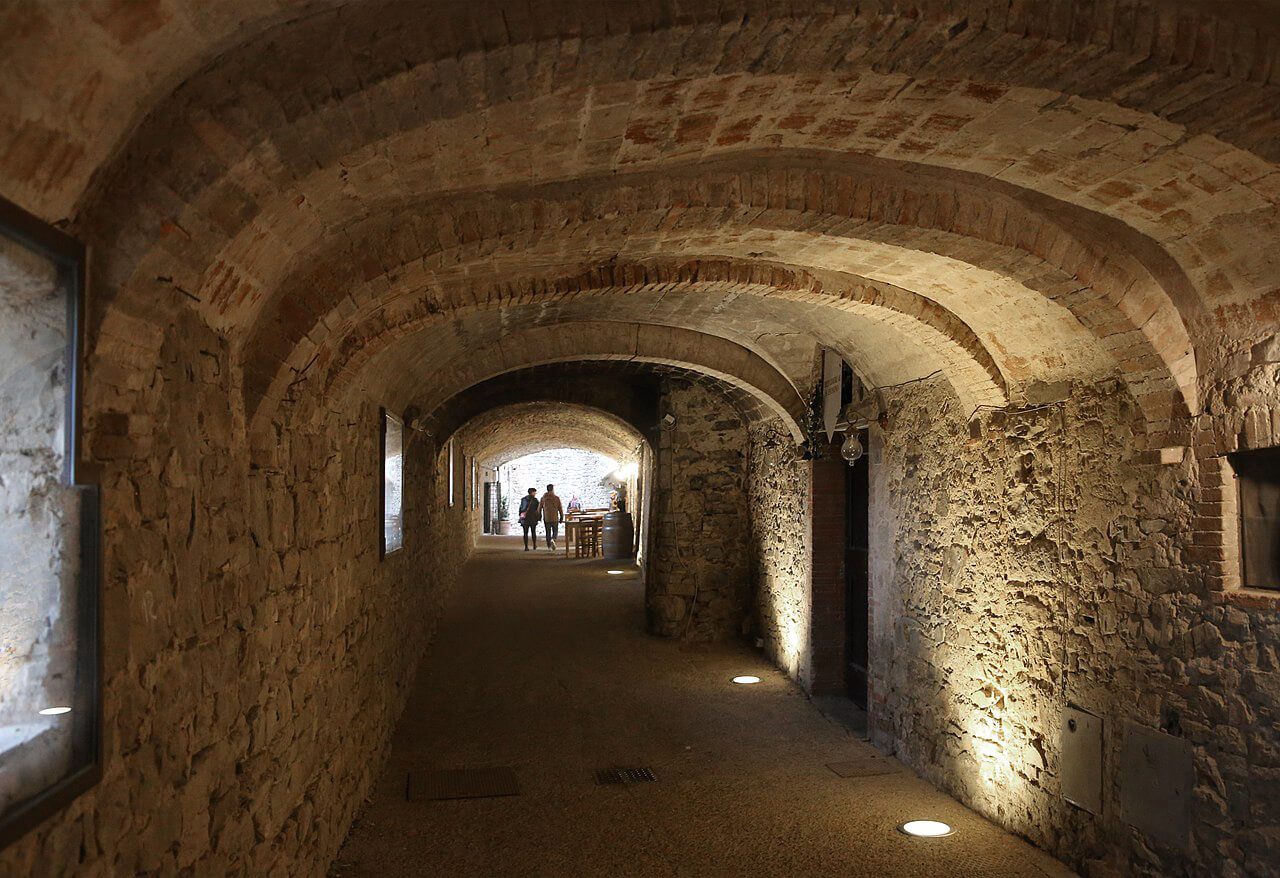
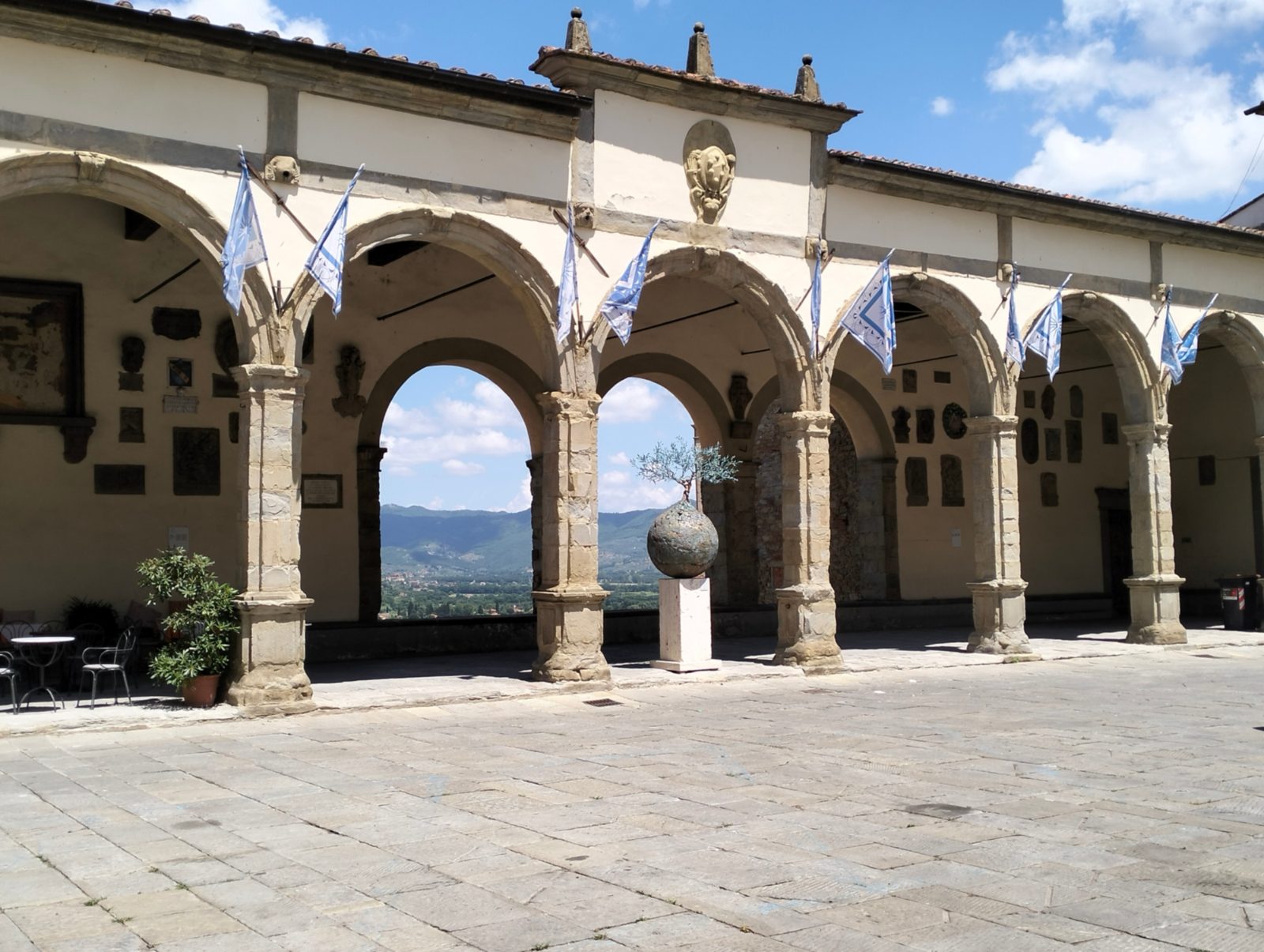
Shoot through the arched openings of this structure to frame the surrounding hills; many who take a chianti wine tour from san gimignano tour pause here.
Planning a chianti wine tour from san gimignano offers families a chance to explore rolling vineyards and historic estates at a gentle pace. While the region is expansive, choosing child-friendly agriturismo stops ensures a relaxed outing in the heart of Tuscany.
Most vineyard paths are unpaved or gravel, so a sturdy, all-terrain stroller or a wearable baby carrier is essential for navigating the terrain.
Baby-change facilities are not standard in rural wineries, so parents should be prepared with a portable changing mat and necessary supplies in their day bag.
This experience is best suited for children who can enjoy outdoor nature walks or older youth interested in the agricultural heritage of the Chianti wine region, Italy.
To maximize your day, follow the best arrival window of 09:30–11:00 to avoid the midday heat and ensure you have time for your chianti wine tour from san gimignano tickets booking.
Many estates offer outdoor picnic areas where you can enjoy local bread and cheeses, but confirm ahead if you require specific chianti wine tour from san gimignano tours services for high chairs.
The Chianti wine tour from san gimignano tour is primarily an outdoor activity, so ensure you have flexible plans for indoor museums in nearby towns if the weather is poor.
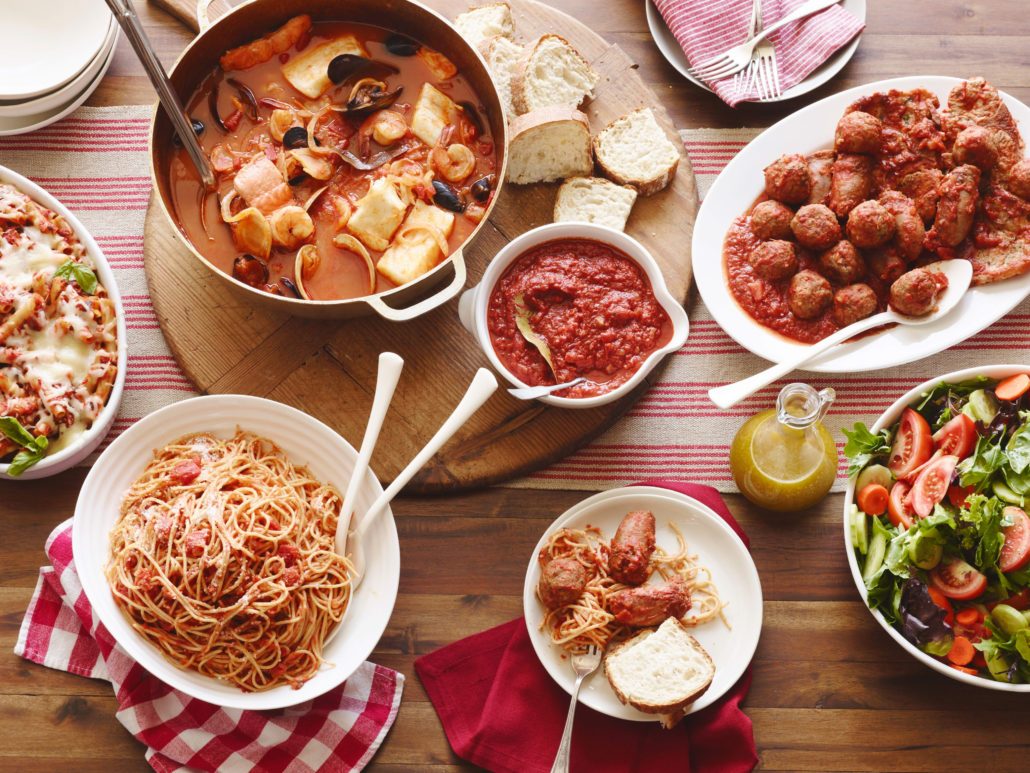
Exploring the countryside during a chianti wine tour from san gimignano offers a choice between refined estate pairings and authentic trattorias in historic hillside villages. Visitors often find that booking a vineyard lunch enhances their local sangiovese tasting, while nearby towns provide excellent opportunities to sample rustic tuscan dishes.
Located in a charming village, this spot serves traditional pappa al pomodoro and house-made pasta. It is a favored stop for those seeking a relaxed meal during chianti wine tour from san gimignano tours.
Everything you need to know for your journey
The recommended arrival window is 09:30–11:00 to avoid the midday heat. This allows for a relaxed pace at multiple wineries.
Entry to the region is 0 EUR, though individual winery tours and tastings require booking and payment. Always check your specific ticket details.
Sites generally operate from 09:00–18:00 daily throughout the week. Ensure you verify specific winery hours for your chianti wine tour from san gimignano.
Tickets are typically specific to the selected tour operator and itinerary. You should confirm the included winery visits with your service provider.
While families are welcome at many estates, wine tasting is reserved for adults. Contact your operator to see if a family-friendly chianti wine tour from san gimignano is available.
Bring water, sunscreen, a hat, and your ticket. Comfortable shoes are essential for walking across the vineyard landscapes during your tour.
You can reserve your spot through our online portal. Select your preferred date and time to secure your chianti wine tour from san gimignano.
Yes, photography is permitted at most locations. Always be mindful of private areas during your chianti wine tour from san gimignano.
Cancellation policies vary, but most allow for full refunds if done 24 to 48 hours in advance. Check your confirmation email for the exact terms.
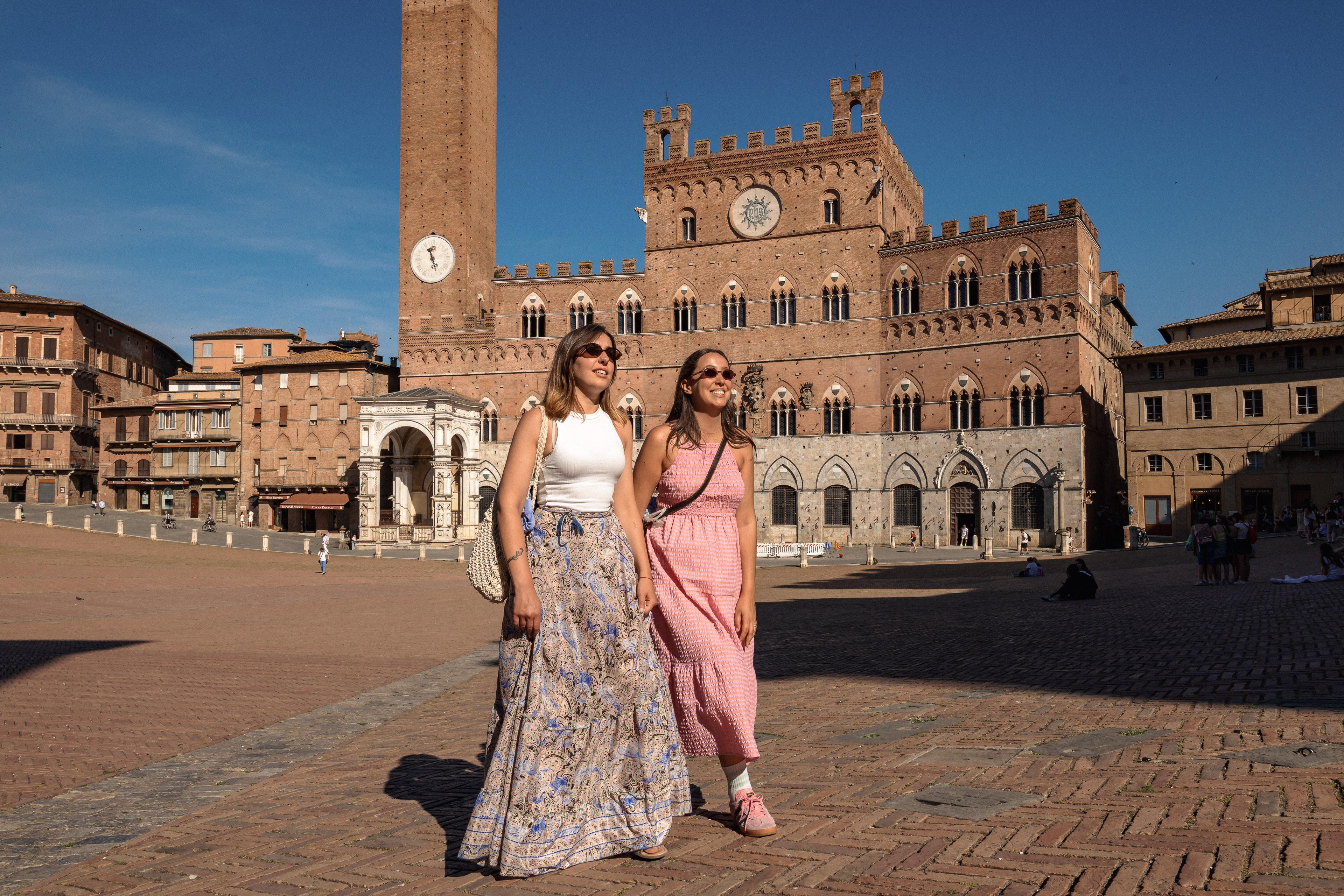
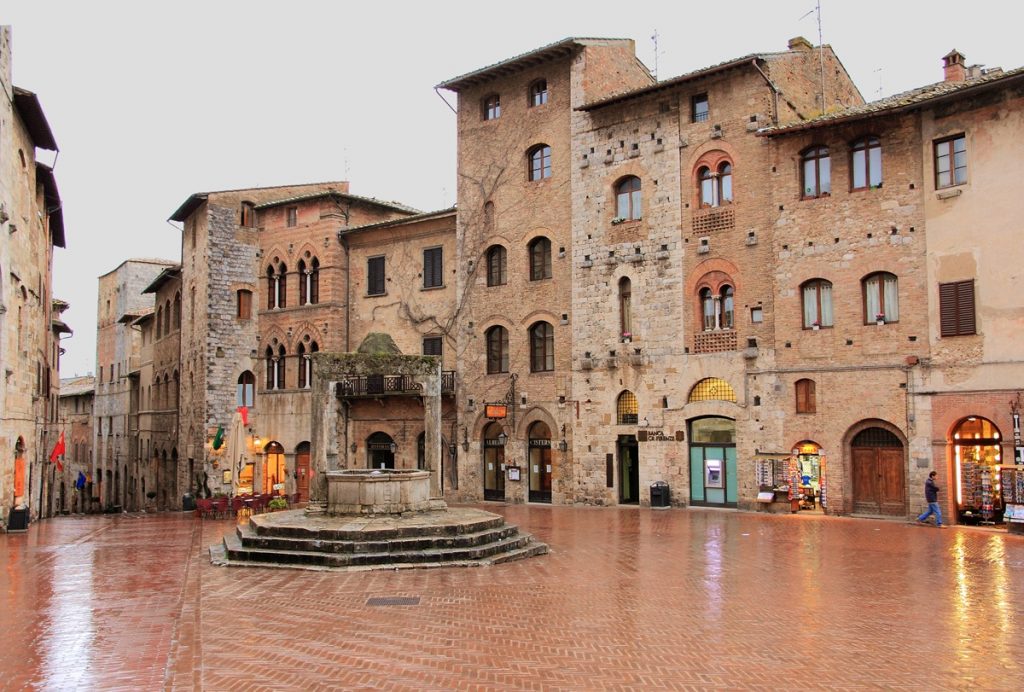
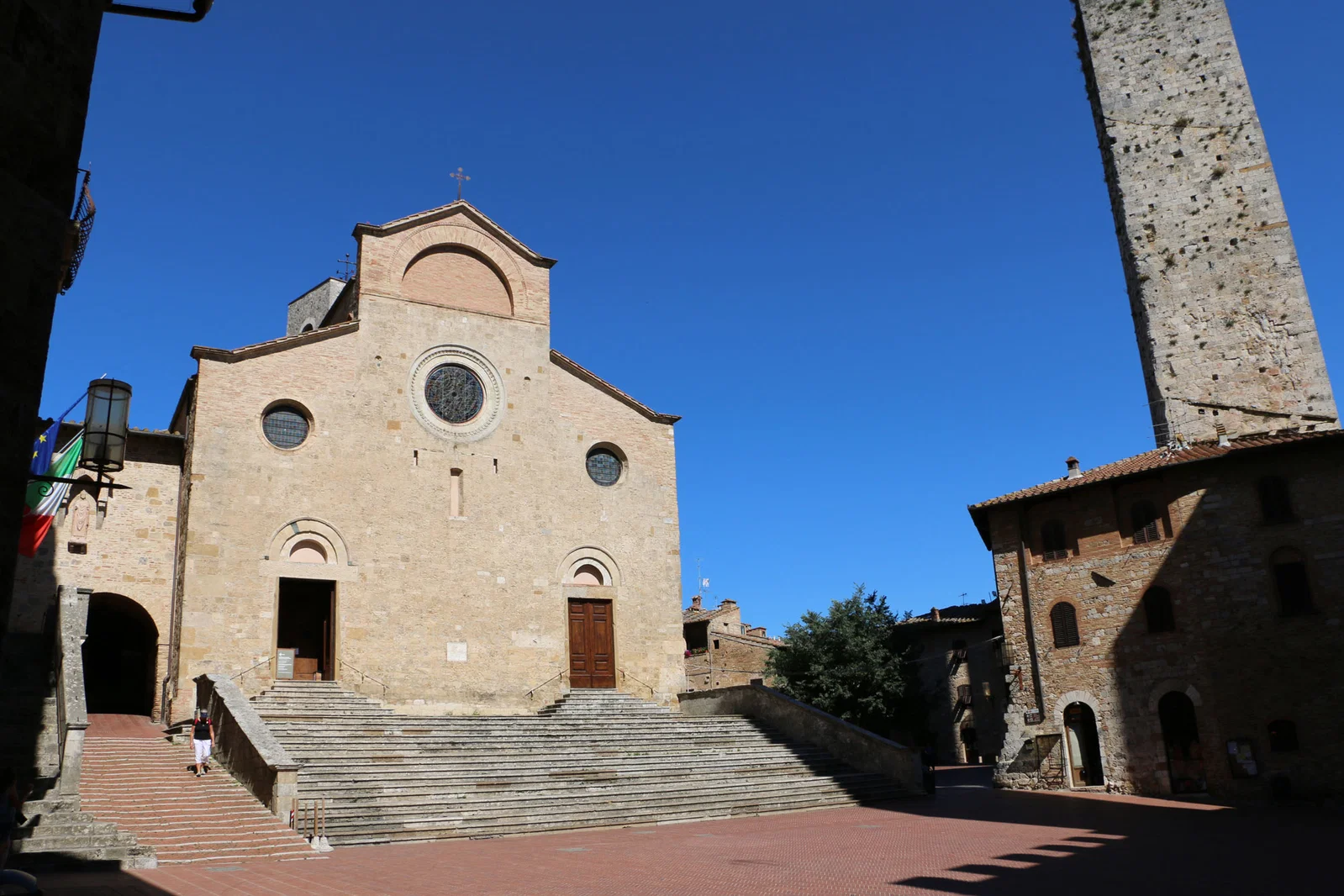
A medieval square known for its historical architecture. It is a central gathering point in San Gimignano.
The tallest tower in town offering panoramic views. A prominent example of medieval construction.
Famous for its exquisite frescoes and Romanesque design. A significant religious landmark in the city center.
Houses the civic museum and art galleries. An important cultural landmark within the city.
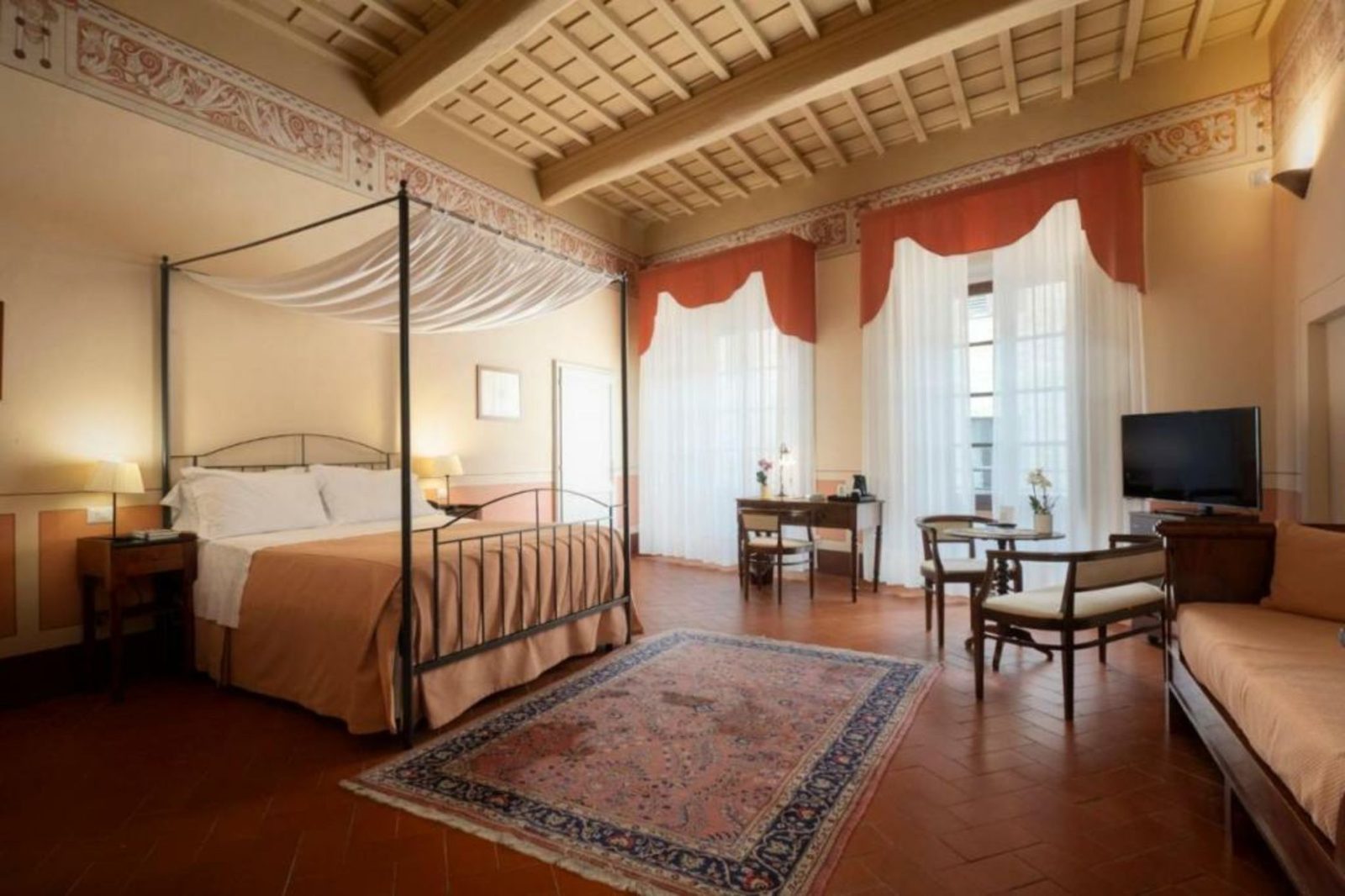
Historic hotel located within the city walls.
Upscale property with views of the valley.
Rural farmhouse stay offering an authentic local experience.
Join thousands of happy travelers who have discovered this incredible experience
Book Your Experience Now