Chianti Wine Tour Logo
English| EUR
Suggested for you
More currencies
Book Now
Open today · 00:00–23:59

Chianti Wine Tour

Chianti Wine Tour — Vineyard Trails & Cellar Tastings

Sangiovese hillsides and medieval estates, where centuries meet the glass

4.9 /5 · 2,400 reviews
26K+ travelers chose this
Free Cancellation
Right now: Moderate — autumn harvest season Roads on the SR222 may experience seasonal congestion.
7-8 hours
1 Languages
Up to 8 participants
Free Cancellation
Free cancellation Instant confirmation Mobile voucher Verified partner Book now, pay later
Choose your ticket

Chianti Wine tickets at a glance

Compare fares, pick the fit — all bookings are mobile-voucher and eligible for free cancellation where shown.

Tuscany Full-Day Tour: San Gimignano, Siena & Chianti Wine Experience 11 hr
Guided Experience

Tuscany Full-Day Tour: San Gimignano, Siena & Chianti Wine Experience

4.6 (3925)
€79
  • Expert local guide
  • Small group
  • Skip-the-line access
  • Free cancellation
Book this ticket
Tuscany Highlights: Siena, San Gimignano & Pisa Day Trip with Winery Lunch 12 hr
Guided Experience

Tuscany Highlights: Siena, San Gimignano & Pisa Day Trip with Winery Lunch

4.8 (5152)
€135
  • Expert local guide
  • Small group
  • Skip-the-line access
  • Free cancellation
Book this ticket
Compare options

Compare Chianti Wine ticket options

Experience DurationRatingTransfersSkip-the-lineGuideSmall group Price
Guided Experience
Most popular
Chianti Wine Country Tour from Florence
6 hr 30 min★ 4.5 €55 Book →
Guided Experience
Tuscany Full-Day Tour: San Gimignano, Siena & Chianti Wine Experience
11 hr★ 4.6 €79 Book →
Guided Experience
Tuscany Highlights: Siena, San Gimignano & Pisa Day Trip with Winery Lunch
12 hr★ 4.8 €135 Book →
Head to head

Chianti Wine Tour vs Brunello di Montalcino Tour: Choosing Your Tuscany Experience

They offer distinct sensory profiles; most visitors find the Chianti wine tour more approachable for casual exploration, while the Brunello experience provides a more structured deep-dive into prestigious viticulture.

Top pick
Chianti
Brunello di Montalcino
Wine Character 100% Sangiovese Grosso aged longer
Region Landscape Steeper terrain with dramatic vistas
Proximity to Major Hubs Further south from hubs
Experience Atmosphere Formal and refined heritage focus
Average Cost 40–90 EUR per tasting
Intensity of Tasting Structured educational sessions for chianti wine tour tickets

Verdict: Select the Chianti wine tour tour for a scenic and flexible regional overview, or choose the Brunello route if you prefer an intensive study of high-end Tuscan terroir.

Featured Experiences

Popular Chianti Wine tours & activities

Hand-picked experiences loved by thousands of travelers

Recommended Experience

Powered by GetYourGuide

Another traveler favorite

Powered by GetYourGuide
Chianti Wine Country Tour with Dual Winery Visits 6 hours Free Cancellation

Chianti Wine Country Tour with Dual Winery Visits

Venture into Tuscany's famed wine region for tastings at two estates plus a medieval hill town visit

4.5 (3306)
FromFrom €48.4
See details
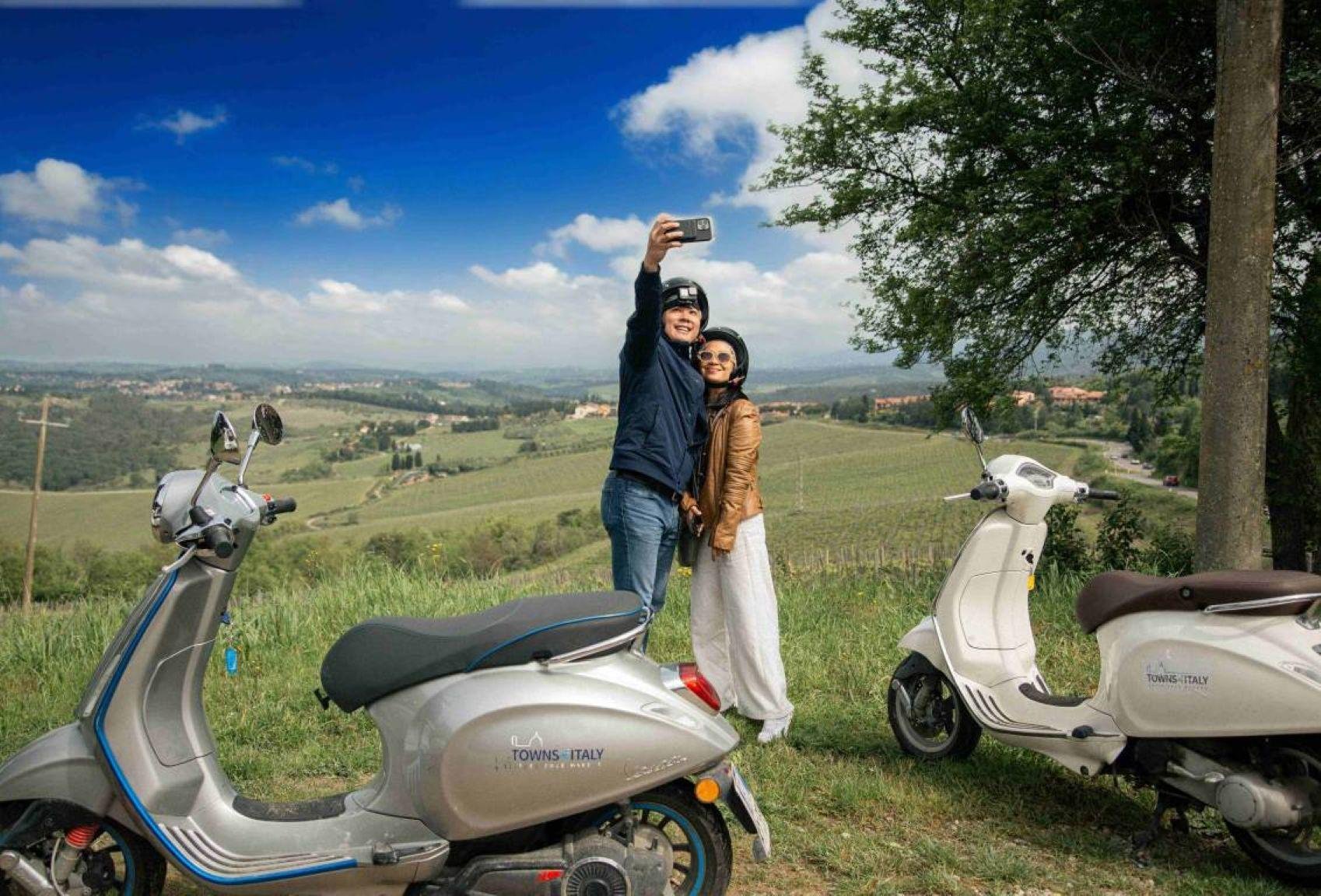
Chianti Vespa & E-Car Adventure with Wine Tasting 6 hours Free Cancellation

Chianti Vespa & E-Car Adventure with Wine Tasting

Cruise through Tuscan hills on a vintage scooter or electric vehicle, with winery visits and local cuisine

4.8 (992)
FromFrom €114.75
See details
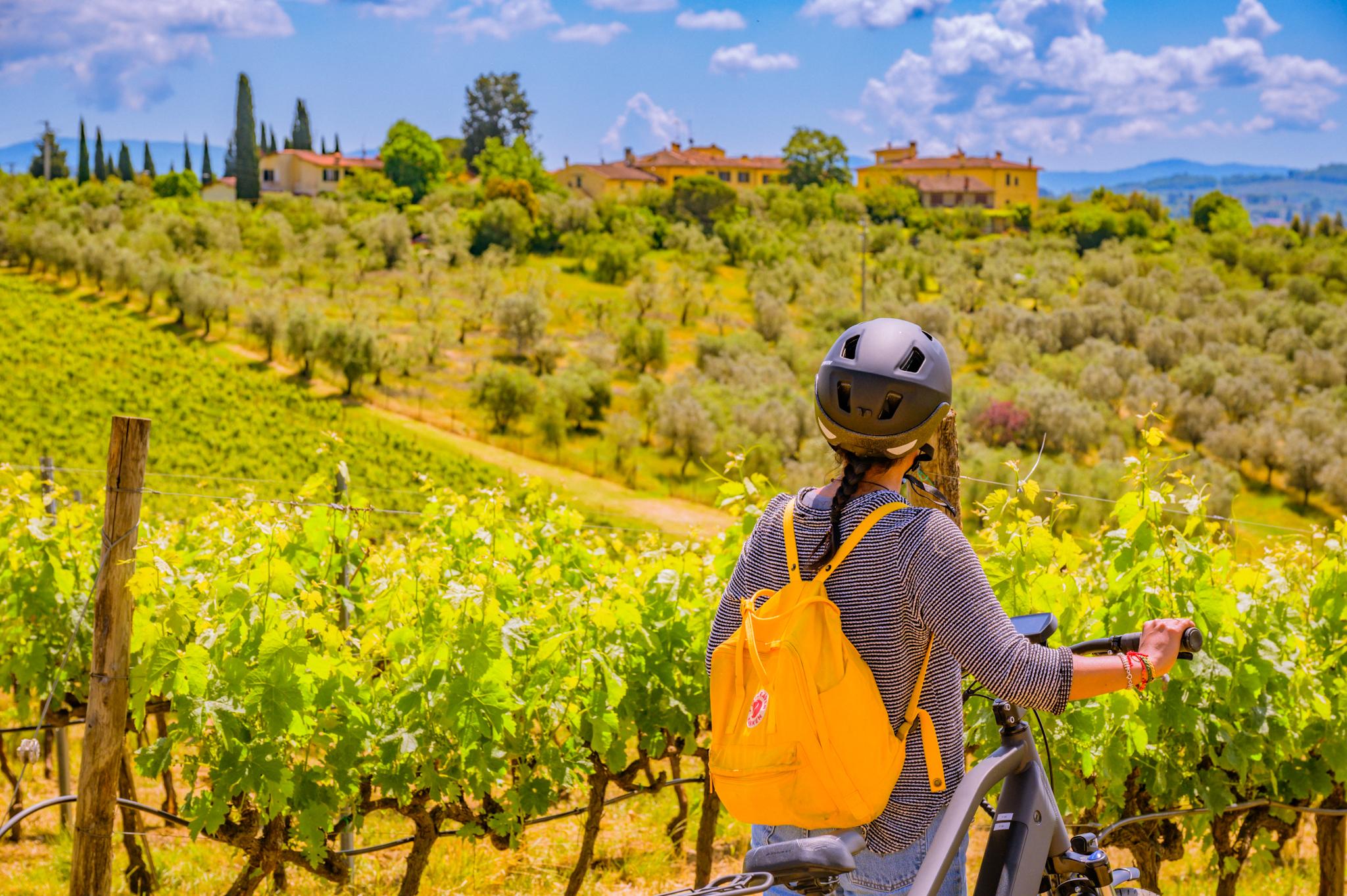
Chianti E-Bike Adventure with Winery Lunch & Tastings 6 hours Free Cancellation

Chianti E-Bike Adventure with Winery Lunch & Tastings

Pedal through Tuscany's wine country on an electric bike, stopping for vineyard tastings and lunch

4.7 (340)
FromFrom $52.26
See details
Chianti Wine Region Tour with Dual Tastings 5 hours Free Cancellation

Chianti Wine Region Tour with Dual Tastings

Journey through Tuscany's celebrated wine country with visits to two organic wineries and authentic tastings

4.6 (1349)
FromFrom €55
See details
Chianti Wine & Castle Tour from Siena 5 hours Free Cancellation

Chianti Wine & Castle Tour from Siena

Escape to Tuscany's wine country for tastings at two estates, medieval villages, and rolling vineyard views

4.6 (764)
FromFrom €85
See details
Chianti Wine Region Half-Day Experience from Florence 5 hours Free Cancellation

Chianti Wine Region Half-Day Experience from Florence

Escape to Tuscany's renowned wine country for tastings, vineyard walks, and authentic local flavors

4.5 (835)
FromFrom €38.25
See details
Chianti Wine Region Small-Group Tour from Florence with Lunch 6.5 hours Free Cancellation

Chianti Wine Region Small-Group Tour from Florence with Lunch

Explore three distinct Tuscan wineries with a sommelier guide, sampling premium wines and local cuisine

5 (44)
FromFrom €175.5
See details
Chianti Wine Experience: 3 Estates & Farm Lunch 7 hours Free Cancellation

Chianti Wine Experience: 3 Estates & Farm Lunch

Discover three distinct family wineries across Tuscany's rolling hills with tastings and an organic feast

4.8 (44)
FromFrom €199
See details
What you'll see

What you'll see at Chianti Wine

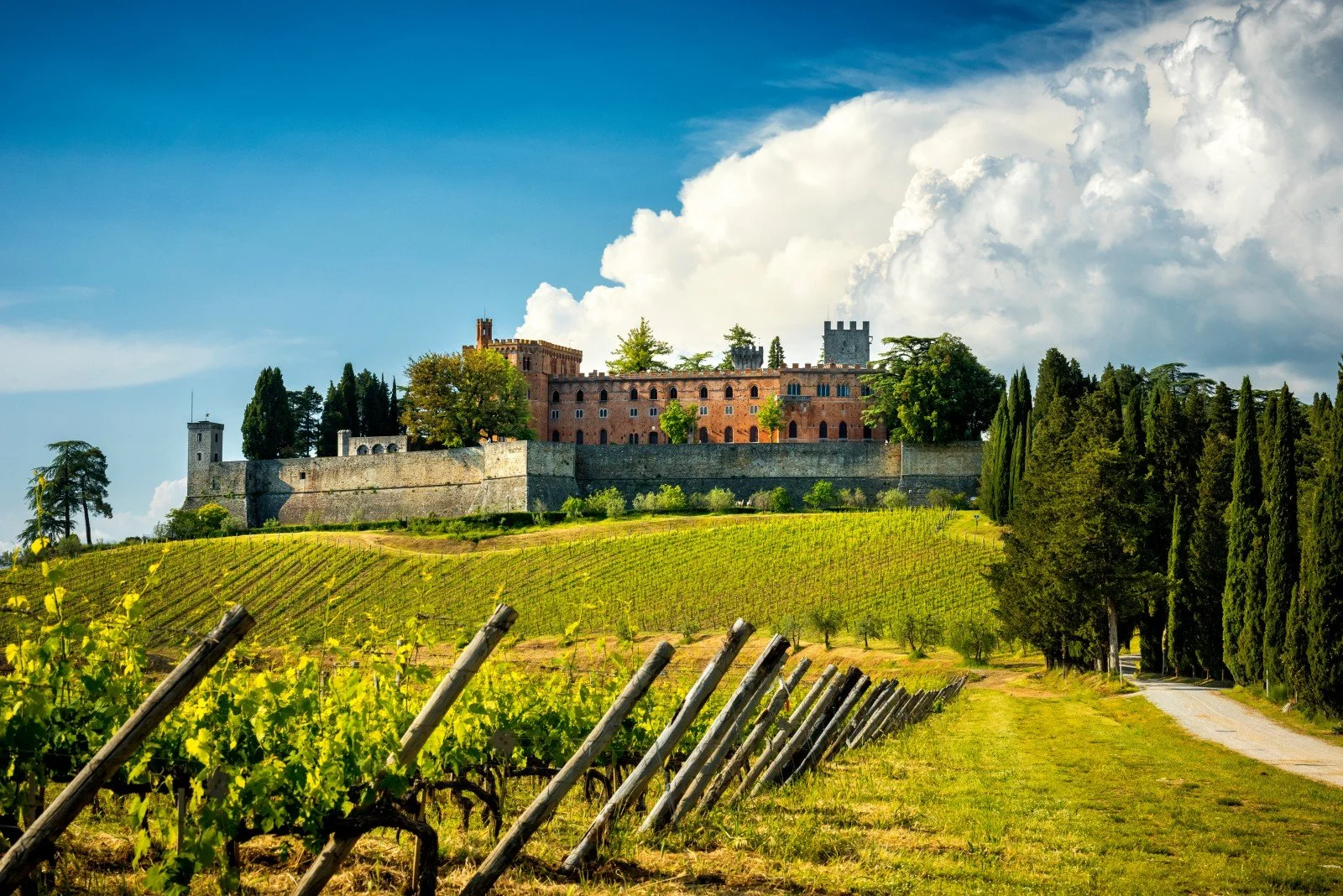
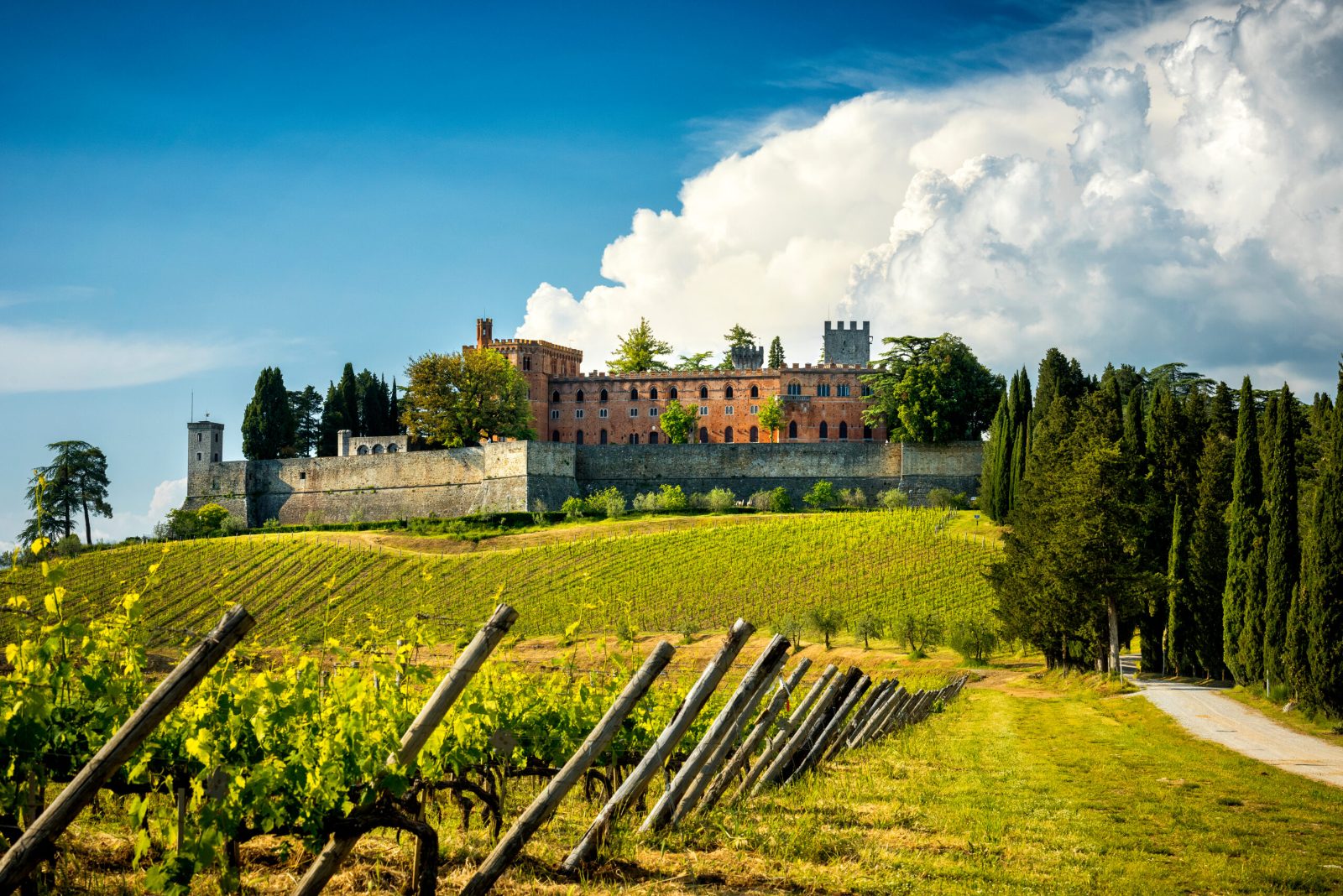
Castello di Brolio

Castello di Brolio

This site is credited with the original recipe for the local wine. It features a stunning iron-gate entrance and expansive gardens open to public visitors.

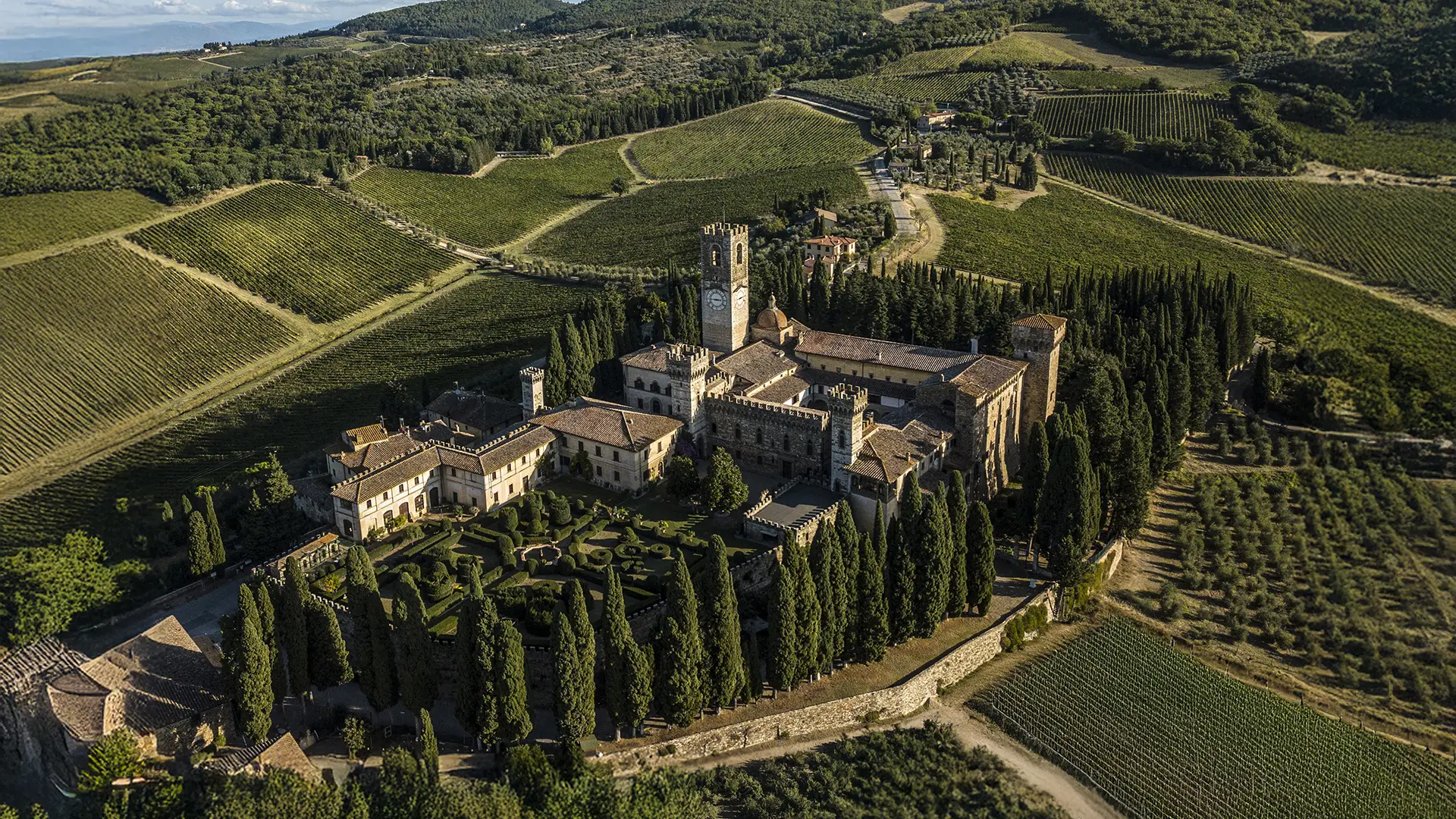
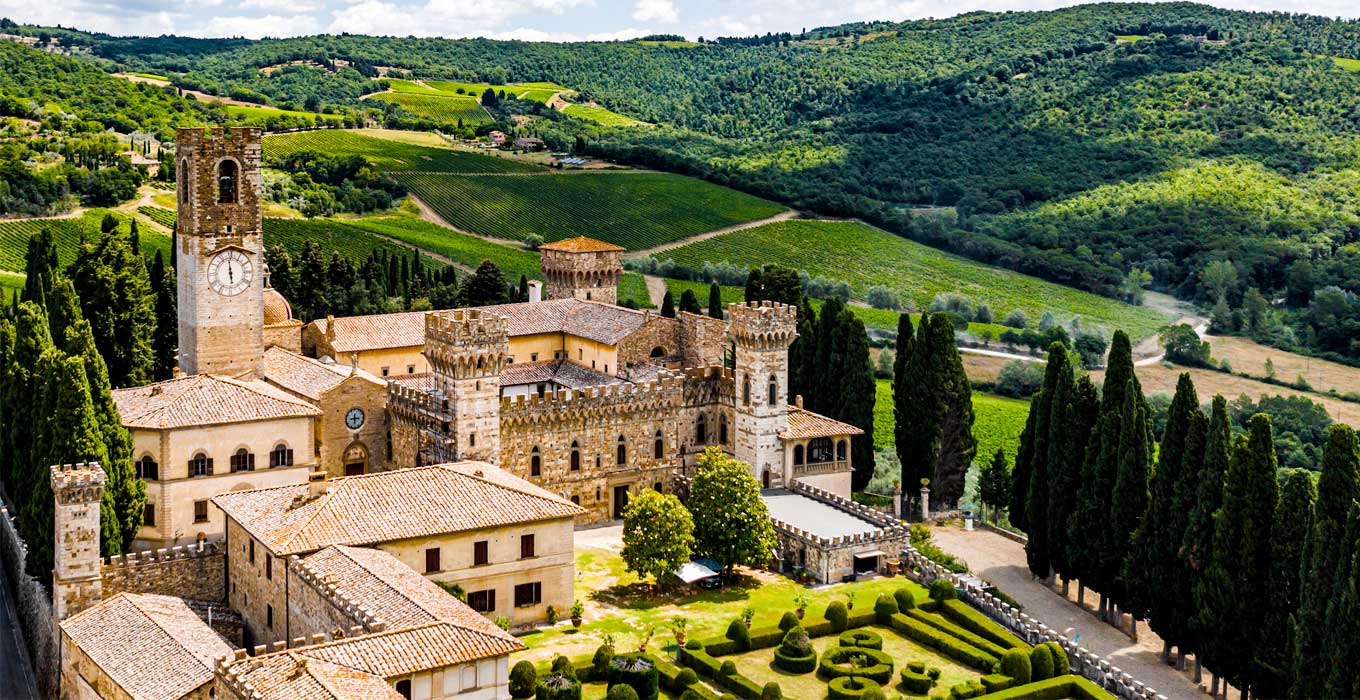
Badia a Passignano

Badia a Passignano

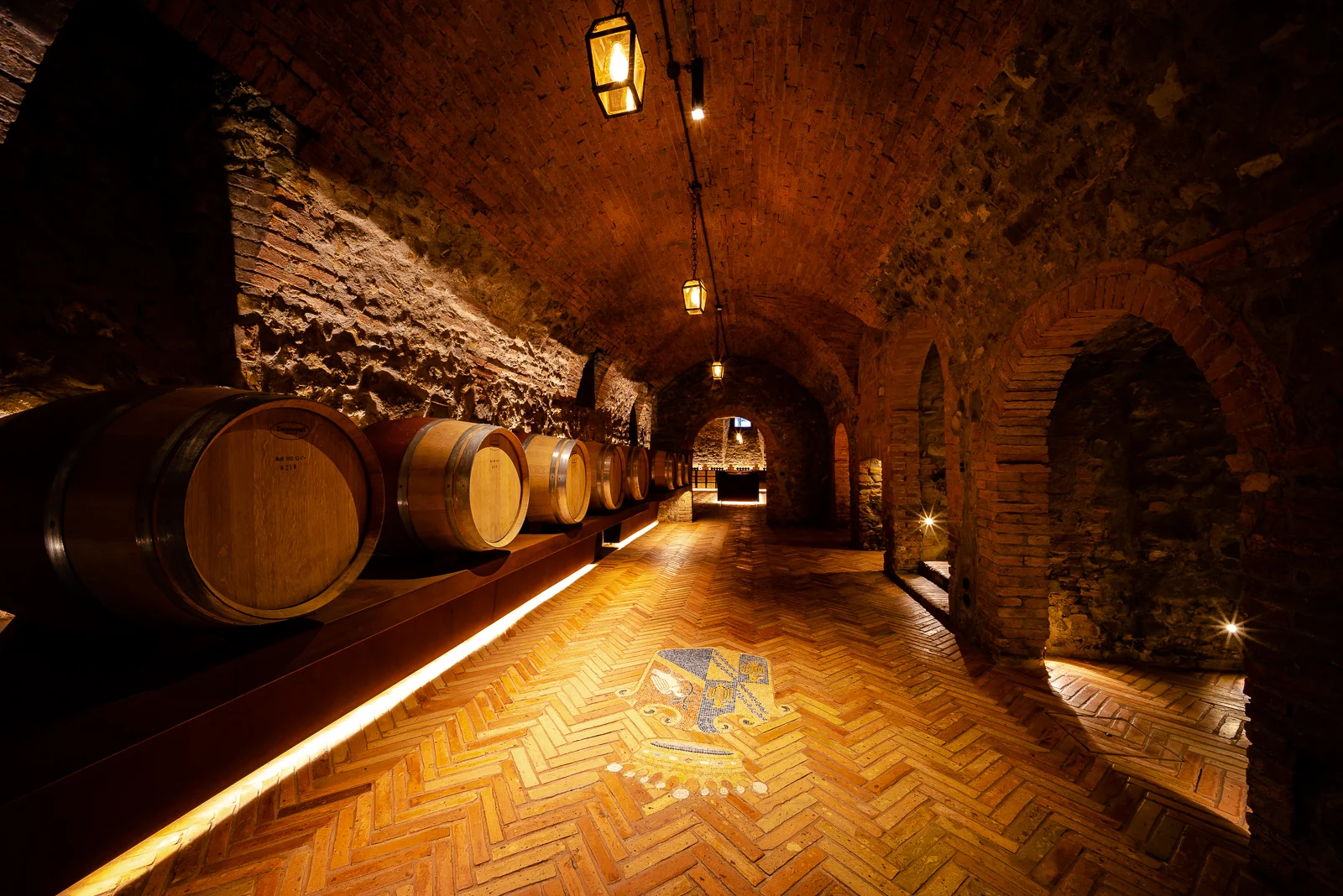
This monastery dates back to the 11th century and is still inhabited by monks. The underground cellars contain thousands of barrels aging in silent rows.

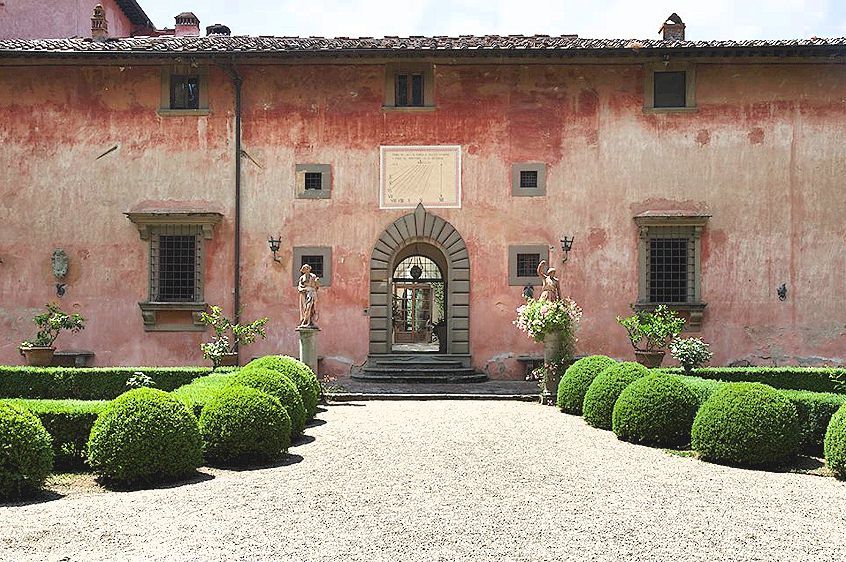
Villa Vignamaggio

Villa Vignamaggio

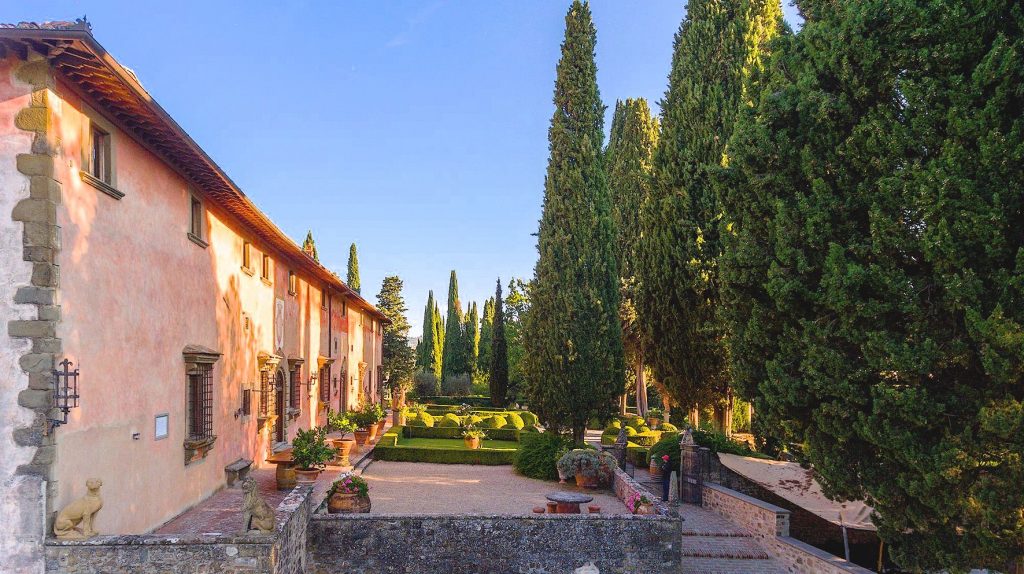
This Renaissance villa is famous for its history and landscaped gardens. It provides an elegant backdrop for many visitors during a summer excursion.

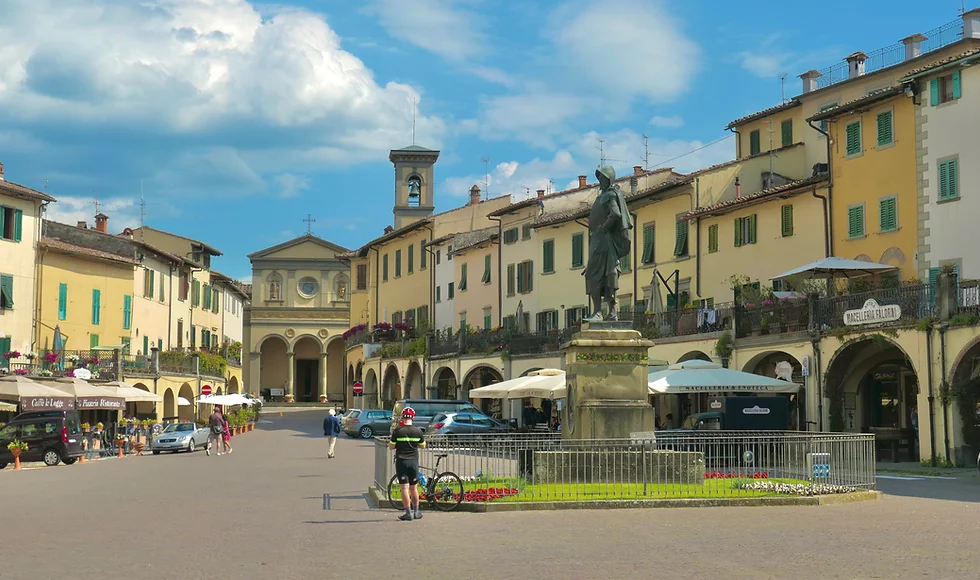
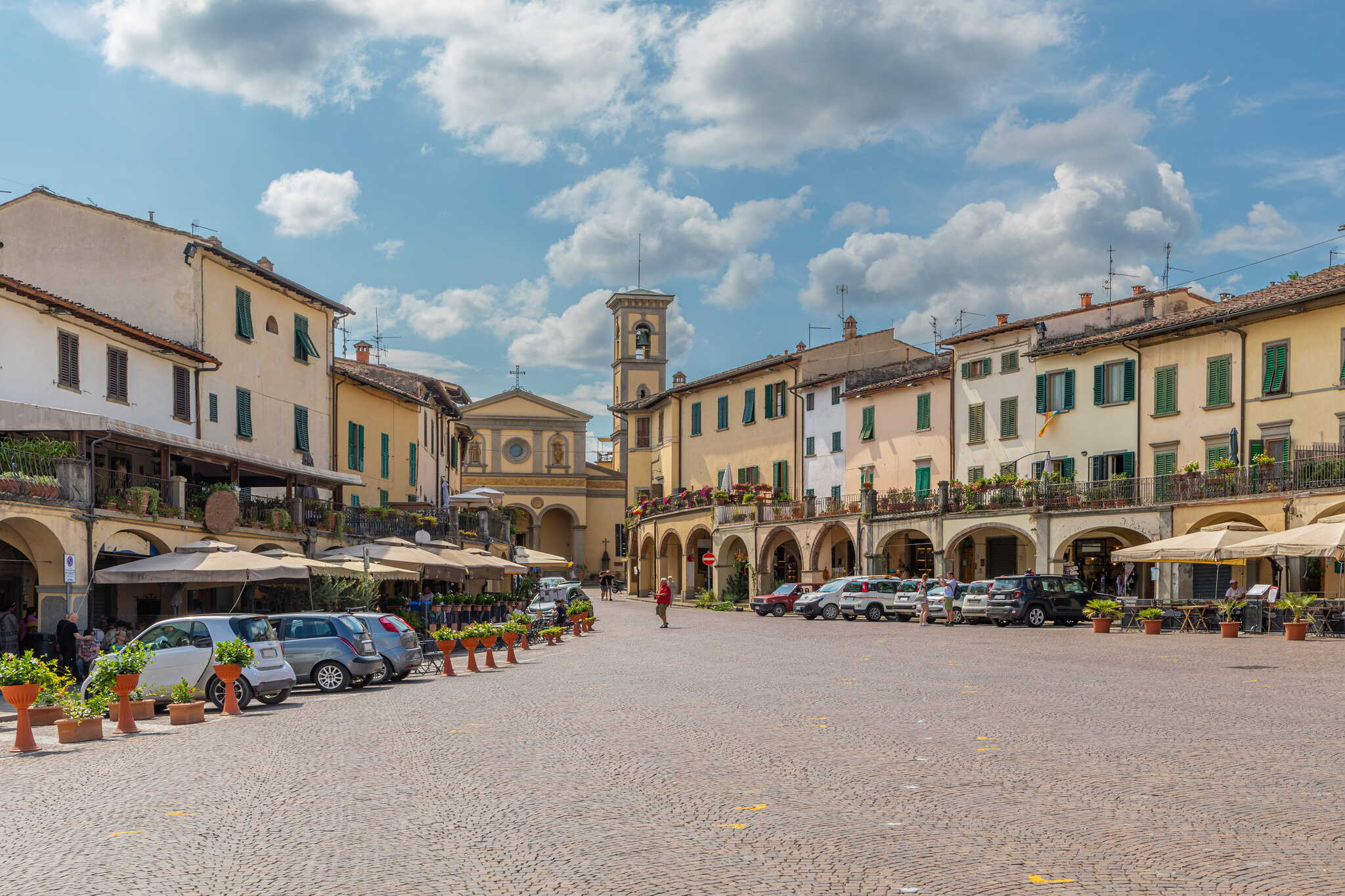
Piazza Matteotti

Piazza Matteotti

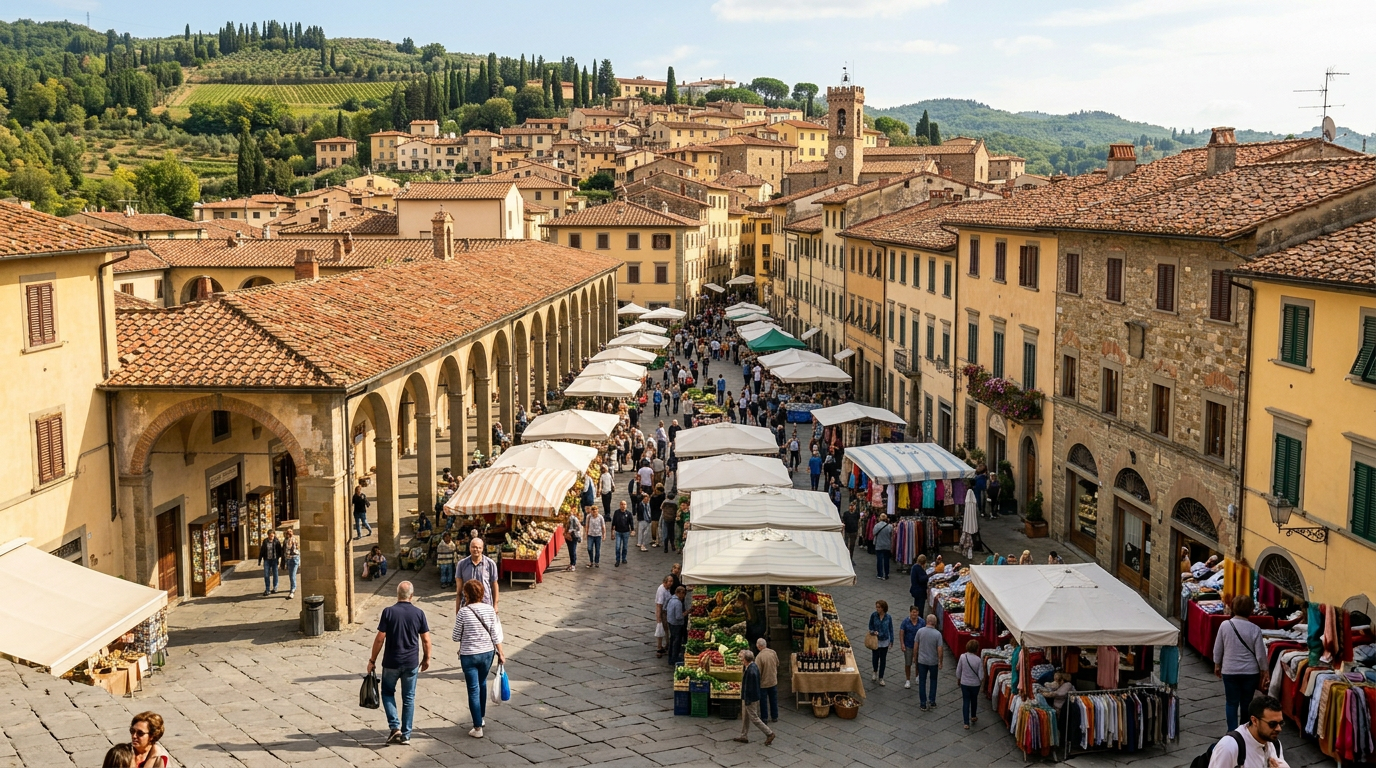
This triangular square serves as the heart of the region. It is surrounded by historic wine shops and cafes perfect for afternoon relaxation.

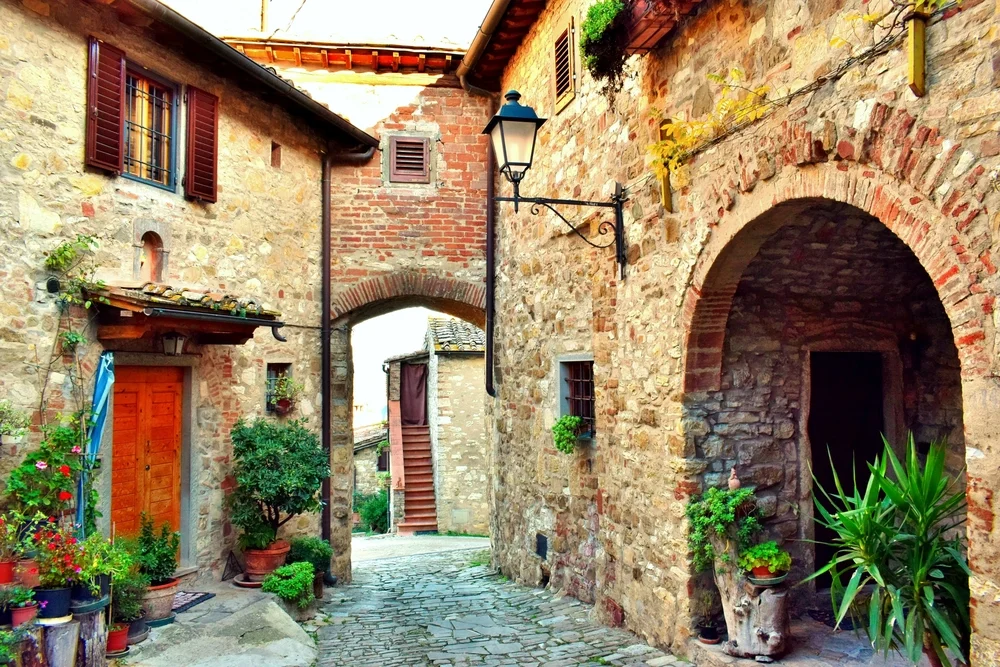
Montefioralle village

Montefioralle village

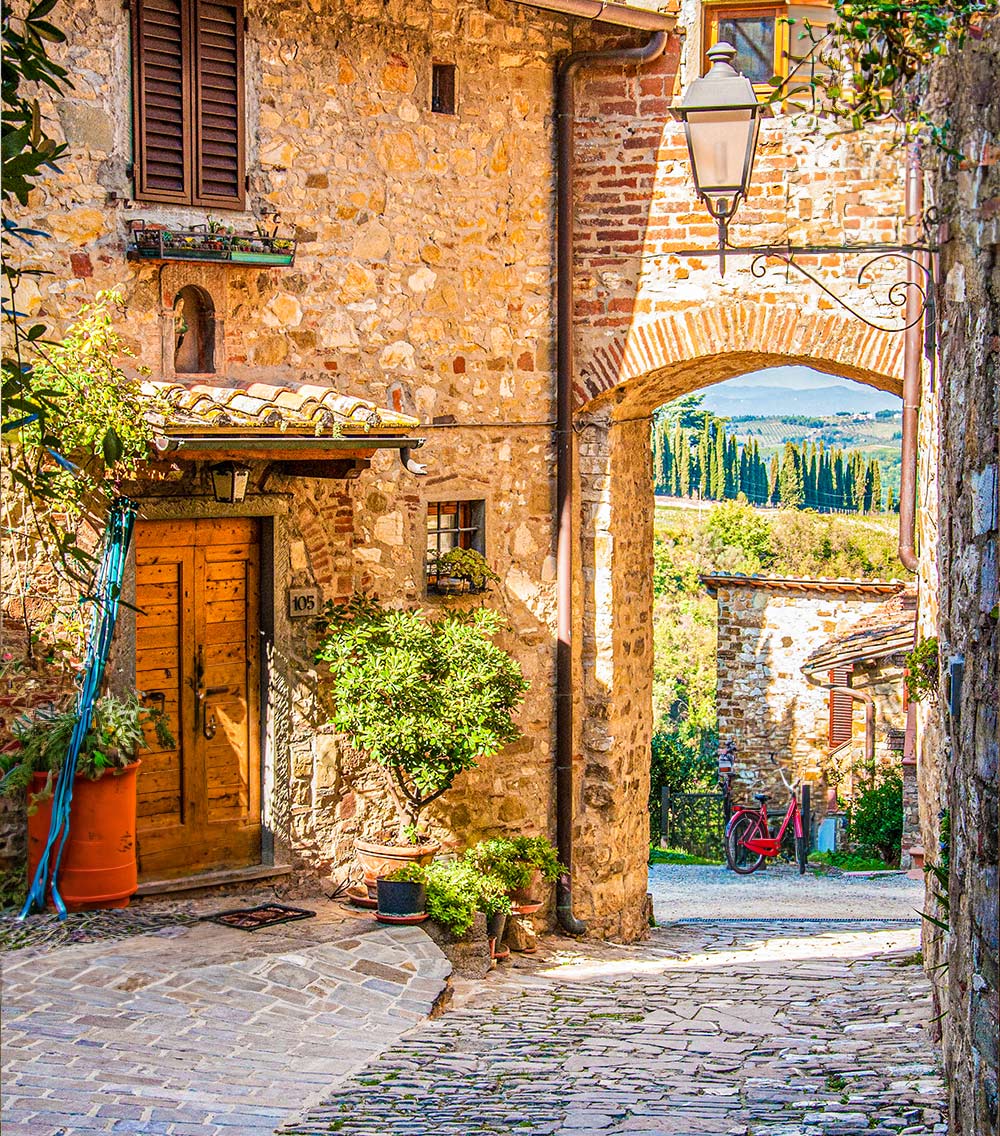
This fortified hilltop village features ancient stone walls and narrow streets. It offers a quiet perspective on the region's medieval defensive history.

The experience

What visiting Chianti Wine is really like

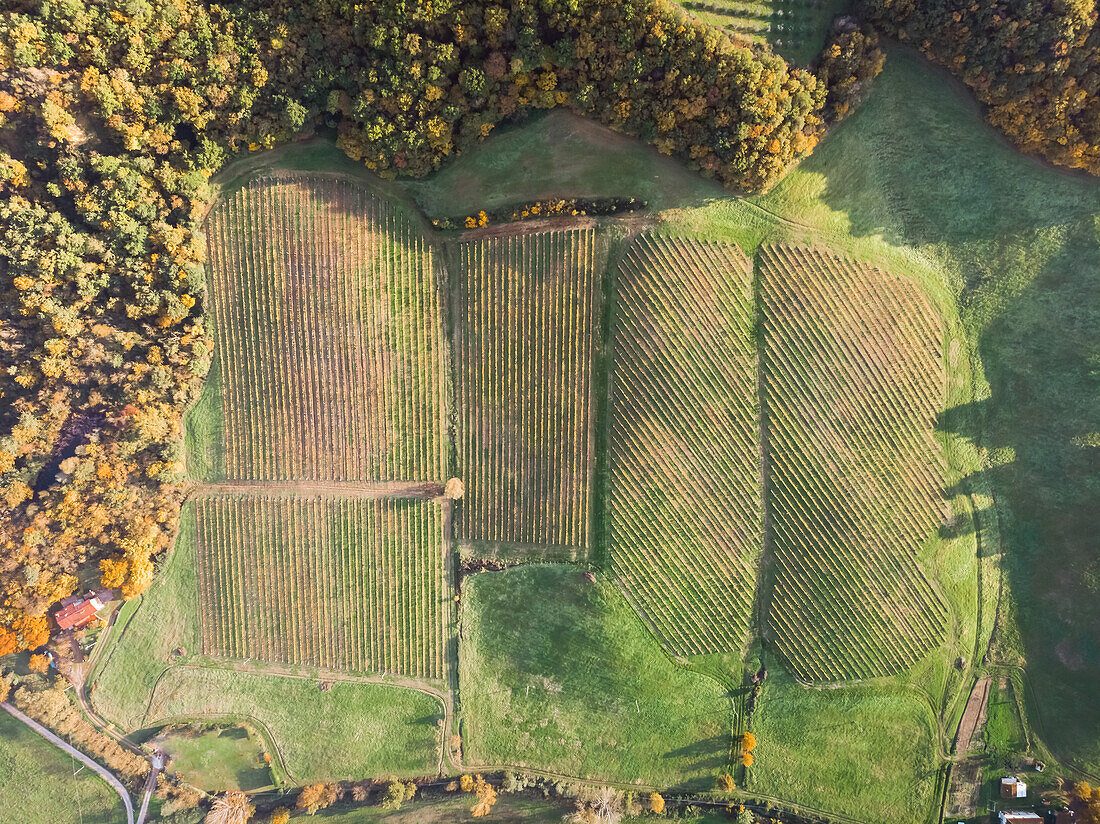
You depart Florence or Siena in a small coach, crossing the Arno or climbing past Fonterutoli as vineyard rows replace apartment blocks. Your first stop arrives within the hour: a stone villa surrounded by Sangiovese vines trained on wire cordons, their clusters hanging at knee height.

Read more Show less

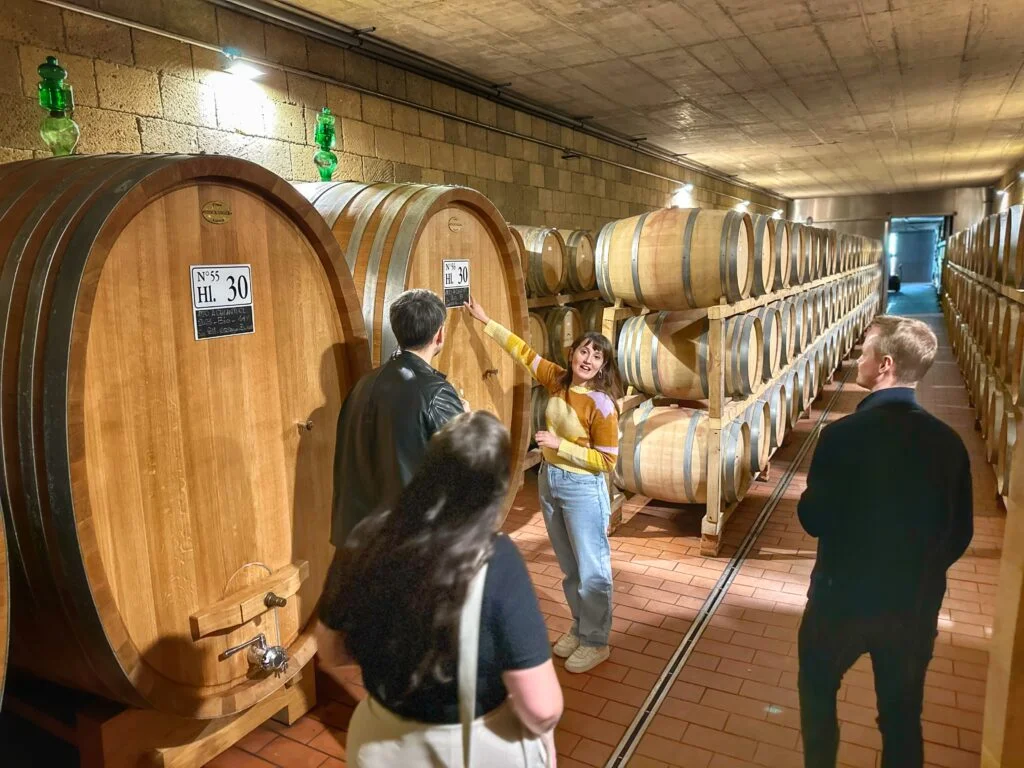
In the barrel room, 225-liter tonneaux line dim corridors, and your guide draws samples directly from oak using a glass pipette — the wine is cloudy, tannic, months from bottling.

Upstairs in the tasting salon, you work through a vertical flight: annata, riserva, gran selezione. The estate sommelier points out how the 2022 vintage carries red-fruit brightness while the 2019 riserva shows dried fig and leather after 24 months in Slavonian oak. Breadsticks and aged pecorino appear between pours. Outside, terraces overlook the Conca d'Oro, cypress sentinels marking property lines.

Your second estate sits higher, past Panzano, where cooler nights preserve acidity. Here the cellar is modern — stainless fermenters and temperature-controlled caves — but the courtyard dates to 1427. You taste vin santo, the amber dessert wine aged in caratelli casks sealed with wax, alongside cantucci almond biscuits. By 17:00 you are back on the SR222, the low sun gilding the rows.

Chianti Wine Tour
Everything You Need to Know

Your complete Chianti Wine guide

All the details about your upcoming adventure in one place

Chianti Wine Tour Through Tuscany

Experience authentic Tuscan viticulture on a chianti wine tour that takes you through rolling vineyards and historic estates between Florence and Siena. This chianti wine tour tour visits family-run wineries where you'll sample Chianti Classico DOCG, Super Tuscans, and Vin Santo paired with local olive oils and pecorino. Your guide navigates centuries-old cellars and terraced hillsides, explaining sangiovese cultivation and oak-aging techniques used by regional producers.

The Chianti Classico zone stretches across 70,000 hectares between Florence and Siena, a rolling corridor of Sangiovese vines planted on galestro limestone soil that has defined Tuscan viticulture since the thirteenth century.

Baron Bettino Ricasoli codified the Chianti formula at Castello di Brolio in 1872, prescribing Sangiovese as the backbone grape and establishing aging protocols that elevated what had been a humble peasant wine into an aristocratic export. Today the black rooster emblem — Gallo Nero — marks bottles from the original DOCG territory, a designation granted in 1984 and refined in 1996 to mandate 80 percent minimum Sangiovese content.

The SR222 highway, known as the Chiantigiana, stitches together stone villages and castle estates across 69 kilometers of cypress-lined ridges. Greve in Chianti anchors the northern gateway, its triangular piazza hosting weekend markets where vignerons pour samples beside stalls of pecorino and cinghiale salumi. Radda and Castellina occupy fortified hilltops seven kilometers apart, medieval outposts of the Lega del Chianti military alliance formed in 1384. Panzano, perched at 498 meters, overlooks the Conca d'Oro valley where some estates dry Sangiovese grapes on bamboo racks to concentrate sugars for riserva bottlings.

Modern Chianti wine tour operations run year-round, with most cellars offering structured tastings between 09:00 and 17:00. Spring and autumn draw the heaviest traffic — May for wisteria-draped loggias, October for vendemmia harvest — but winter visits reveal pruning rituals and barrel rooms without crowds. Estates range from industrial cantinas pressing 500,000 bottles annually to family plots yielding 8,000. Many pair tastings with cold-pressed olive oil from estate frantoio mills, since Chianti's microclimates favor both Sangiovese and Leccino olives. The altitude gradient between valley floors at 200 meters and ridge vineyards at 550 meters creates thermal inversions that slow ripening and preserve acidity, the signature snap behind Chianti Classico's cherry and tobacco profile.

Access from Florence takes 45 minutes via the SR222 or A1 autostrada exit at Firenze-Certosa. Siena lies 30 kilometers south. Most tour operators include transport, though self-drivers gain flexibility to detour into Val d'Elsa or the Crete Senesi. The region remains agricultural working land, not a theme park, and harvest schedules dictate cellar availability from late September through mid-October.

Baron Bettino Ricasoli codified the Chianti formula at Castello di Brolio in 1872, prescribing Sangiovese as the backbone grape and establishing aging protocols that elevated what had been a humble peasant wine into an aristocratic export.

Dress code

Casual and comfortable attire is recommended for a chianti wine tour. Wear sturdy footwear suitable for navigating vineyard terrain and gravel pathways.

Bags & security

Most estates hosting your chianti wine tour allow small personal bags or backpacks. Larger luggage may need to be stored in your vehicle during the visit.

Photography

Photography is generally permitted throughout the vineyards and external architecture of your chianti wine tour. Respect signage inside private cellar areas where flash may be restricted.

Families & strollers

Children are welcome on the grounds of many wineries during a chianti wine tour. Verify specific child-friendly policies or age restrictions for cellar access with the operator.

Accessibility

Accessibility varies significantly across historic estates during your chianti wine tour. Contact individual vineyards in advance to confirm wheelchair access for tasting rooms.

Food & drink

Outside food and beverages are generally prohibited on the premises of estates visited during a chianti wine tour. Many venues offer on-site dining or light appetizers with tastings.

Not allowed

× Large professional tripods × Unmanned drones × Open flames × Hunting equipment × Commercial recording gear × Loudspeakers × Hazardous chemicals × Sharp objects × Glass bottles from outside sources

What to bring

✓ Sunscreen ✓ Hat ✓ Water bottle ✓ Comfortable walking shoes ✓ Valid identification ✓ Camera ✓ Light jacket for cellars

Opening hours

Mon 00:00–23:59
Tue 00:00–23:59
Wed 00:00–23:59
Thu 00:00–23:59
Fri 00:00–23:59
Sat 00:00–23:59
Sun 00:00–23:59

How to get there

At a glance

Operating Hours

00:00–23:59

Address

Chianti Classico Region, Tuscany, Italy

Region Access

Public roads open to all vehicles

Best Arrival

09:00–17:00

Official Site

https://www.chianticlassico.com

Getting there

Car · 1h from Florence · Variable

Driving the SR222 is the most efficient way to access a chianti wine tour. Parking is available in most towns and at major wineries.

Public transport · 1.5h · Moderate

Buses connect major towns, but reaching individual estates on a chianti wine tour often requires a taxi or private transfer.

Cancellation policy

Individual winery policies vary, but most independent operators require 24–48 hours notice for a full refund on your chianti wine tour booking. There is a 0 EUR entrance fee to the Chianti region itself.

Plan your time

Planning Your Chianti Wine Tour from Florence or Siena

Recommended time

Full day (6-8 hours)

A comprehensive chianti wine tour requires a full day to properly explore the Tuscan countryside without rushing between vineyards. Visitors should prioritize the best arrival window of 09:00–17:00 to ensure smooth navigation of the SR222, as roads become congested with larger group transport during midday. Dedicating this time allows for a relaxed pace at individual estates, where you can secure your chianti wine tour tour bookings in advance to avoid disappointment. Those seeking exclusive chianti wine tour tickets should anticipate that mornings offer the most intimate tasting atmosphere before coach groups arrive.

Crowd levels through the day

09:00–11:00 Light
11:00–13:00 Moderate
13:00–15:00 Peak
15:00–17:00 Moderate
17:00–19:00 Light
Plan ahead

Best time to visit Chianti Wine

Weather · crowds · average price — dots go green to amber to red as each metric rises.

Spring

Mild temperatures and blossoming landscapes make for an ideal chianti wine tour. Expect average highs of 18°C during April and May.

Summer

Expect high temperatures often exceeding 30°C. Early morning visits help avoid peak heat and traffic on the SR222.

Autumn

Harvest season brings vibrant colors to the vines. September and October are peak months for a chianti wine tour experience.

Winter

Wineries are quieter, though some may have limited hours. Temperatures drop, making indoor tasting rooms particularly cozy.

Insider tips

Helpful tips for visiting Chianti Wine

Book tastings early

Reservations are essential for a professional chianti wine tour at popular estates. Contact wineries at least two weeks before your planned visit.

Check vineyard maps

The region is vast, so focus your chianti wine tour on one specific sub-zone per day to minimize driving time.

Respect private property

Vineyards are active agricultural sites, so stay on marked paths during your visit. Do not pick grapes or crops without permission.

Leverage SR222

This historic road connects many major towns and estates. Use it as your primary navigation route for any chianti wine tour.

Stay hydrated

Local summer heat can be intense. Carry plenty of water throughout your outdoor excursions in the region.

Where to meet

Chianti Wine meeting points

Piazza Matteotti

Piazza Matteotti

Greve in Chianti, Italy

Main town hub for regional excursions.

Get directions
The story

The Evolution of a Chianti Wine Tour: From Rural Farming to Global Renown

The hills between Florence and Siena have nurtured vines since Etruscan settlers recognized the calcareous clay soil's potential in the eighth century BCE. By the thirteenth century, Florentine merchants formalized the region's boundaries, coining the term "Chianti" to distinguish wines from the Greve, Radda, and Gaiole valleys. In 1398, records show the first documented export of Chianti wine beyond Tuscany, shipped in terracotta amphorae to Genoa. The League of Chianti, a military alliance formed in 1384, adopted the Black Rooster as its emblem—a symbol that would later become synonymous with quality winemaking. Yet for centuries, Chianti remained a rustic vin ordinaire, blended with white grapes and consumed locally. Baron Bettino Ricasoli transformed the region in 1872 when he published his formula for Chianti Classico: 70 percent Sangiovese, 15 percent Canaiolo, and 15 percent Malvasia. His estate, Castello di Brolio, became the testing ground for what is now the modern Chianti wine tour standard. The 1924 consortium of producers formalized the Gallo Nero (Black Rooster) as a certification mark, distinguishing Classico wines from mass-produced imitators flooding European markets. World War II devastated vineyards; Allied bombing in 1944 destroyed over forty percent of the Castellina zone's cellars. Reconstruction took two decades. The 1970s brought crisis when overproduction and diluted blends tarnished Chianti's reputation. In 1984, Chianti Classico achieved DOCG status, mandating stricter controls and geographic authenticity. The 1996 revision allowed 100 percent Sangiovese wines, liberating winemakers from Ricasoli's nineteenth-century recipe. By 2005, the region pivoted toward agritourism, converting medieval estates into tour destinations. Today, over 600 wineries host tastings along the SR222 "Chiantigiana" highway, welcoming 2.3 million visitors annually. The Black Rooster endures, stamped on every certified bottle—a thirteenth-century emblem now guaranteeing quality for travelers seeking chianti wine tour experiences across Tuscany's most storied vineyards.

8th c. BCE

Etruscan settlers plant the first Sangiovese vines in the hills between Florence and Siena.

1384

The League of Chianti adopts the Black Rooster emblem to mark territorial boundaries and military allegiance.

1872

Baron Bettino Ricasoli publishes the definitive Chianti blend formula at Castello di Brolio, standardizing regional winemaking.

1924

Producers form the Chianti Classico consortium and certify wines with the Gallo Nero seal to combat counterfeits.

1984

Chianti Classico receives DOCG status, enforcing geographic limits and banning white grape additions after decades of quality decline.

1996

Regulations permit 100% Sangiovese wines, ending the mandatory inclusion of Canaiolo and Malvasia in the blend.

2005–present

Medieval estates convert to agritourism hubs, establishing the modern chianti wine tour industry along the SR222 highway.

Gallery

Moments from Chianti Wine

With kids

Is a Chianti Wine Tour from Florence Reddit-Recommended for Families?

Exploring the countryside with children is a rewarding experience, as a chianti wine tour allows families to enjoy the open landscapes and rolling hills of Tuscany. While the region is expansive, thoughtful planning makes it possible to enjoy local viticulture with little ones in tow.

Stroller Accessibility

Most vineyards feature gravel paths or uneven dirt terrain that are difficult for standard strollers, so parents should opt for a sturdy carrier instead.

Kid-Friendly Wineries

Look for estates that prioritize educational vineyard tours that engage young minds with the agricultural process rather than just the tasting room.

Pacing and Travel

Plan for short durations at each vineyard, as the chianti wine tour tours can be long and children often prefer running through the open olive groves.

Facilities

Baby-change facilities are not standard at every historic winery, so it is essential to carry a portable changing mat and supplies in your day bag.

Planning Ahead

If you are booking chianti wine tour tickets in advance, contact the winery directly to ensure they offer non-alcoholic grape juice or snacks for younger guests.

Local Transportation

Navigating the SR222 with a car seat is required, and parents should confirm that their selected chianti wine tour tour provider can accommodate child safety seats if booking private transport.

Food & drink

Dining During Your Chianti Wine Tour in Tuscany from Florence

Exploring the countryside near a chianti wine tour requires stops at traditional osterias and rustic enotecas where local specialties are served. While many estates provide light pairings, these nearby venues offer authentic Tuscan cuisine to complement your regional gastronomic experience.

Osteria di Passignano

€€€€

Fine Dining

Located near the Badia a Passignano, this venue focuses on seasonal ingredients and refined pairings for your chianti wine tour tours experience.

Customer Reviews

What travelers say about Chianti Wine

Real experiences from real travelers

4.5
Based on 2,400 reviews
1 ★ 710
2 ★ 890
3 ★ 1500
4 ★ 4200
5 ★ 18700
S
Sophie M.
France · 2026-07-18

Perfect Tuscan afternoon

We joined a chianti wine tour through three family estates and the experience exceeded expectations. Each vineyard offered distinct Sangiovese expressions paired with local pecorino. The guide explained terroir differences between Classico and Rufina zones without pretension. Lunch under pergola shade with views across the Chianti hills made the four-hour tour feel both educational and relaxing.

M
Marcus K.
Germany · 2026-08-22

Outstanding estate access

Booked a small-group Chianti wine tour and appreciated the intimate cellar visits. The winemaker at the second stop walked us through their aging process in French oak versus Slavonian barrels. Tasting notes included cherry, leather, and violet aromatics typical of Sangiovese grown at this elevation. The van transport between vineyards was efficient and the guide's knowledge of DOCG regulations added context.

Y
Yuki T.
Japan · 2026-06-03

Authentic vineyard experience

This chianti wine tour took us beyond typical tasting rooms into actual production facilities. We walked between vine rows during veraison when grapes were just beginning to change color. The family running the third estate served their riserva in a centuries-old villa with frescoed ceilings. Learned the difference between governo and traditional fermentation methods. Worth every euro.

A
Amanda R.
United States · 2026-05-14

Solid but rushed

The Chianti countryside is gorgeous and the wines we sampled were excellent quality. Our tour of wine estates felt slightly hurried at the first two stops with only twenty minutes for each tasting. The final vineyard allowed more time to explore their gardens and shop. Guide was knowledgeable about clone selection and harvest timing. Would recommend but ask about group size before booking.

C
Carlos P.
Spain · 2026-08-30

Best tasting route

We compared several Chianti wine tour options and chose one focusing on Gallo Nero certified estates. The blend ratios of Sangiovese with Canaiolo and Colorino varied beautifully from producer to producer. Lunch featured ribollita and bistecca fiorentina paired with their reserve bottlings. The September weather was perfect for outdoor tastings with views of Monte San Michele in the distance.

E
Emma L.
United Kingdom · 2026-07-05

Exceeded expectations

Joined a chianti wine tour departing from Florence and the organization was flawless. Visited a historic castle estate where they've produced wine since the 1400s, then a modern biodynamic vineyard using sustainable practices. The contrast illustrated Chianti's evolution while respecting tradition. Tastings included five different classifications from Annata to Gran Selezione. The guide's passion for Tuscan viticulture was evident and contagious.

L
Lars N.
Norway · 2026-06-19

Comprehensive and relaxed

This tour through Chianti wine country balanced education with enjoyment perfectly. We learned about the 2026 vintage conditions, pruning techniques, and how volcanic soil influences flavor profiles. The pacing allowed us to savor each pour rather than rushing through flights. Stopped at a family cantina where the owner's grandmother still helps with bottling. Authentic interactions made the experience memorable.

P
Priya S.
India · 2026-04-22

Wonderful spring tour

Booked a chianti wine tour in late April when the vines were just leafing out and wildflowers covered the hillsides. Three estates offered contrasting styles from fruit-forward to structured and age-worthy. The guide explained how altitude and sun exposure create microclimates within the region. Lunch at an agriturismo featured house-made pasta with wild boar ragu. The combination of landscape, wine, and cuisine captured Tuscany's essence.

M
Michael B.
Australia · 2026-09-01

Top-tier wine education

Our Chianti wine tour tickets included access to estates not typically open to drop-in visitors. The cellar master at one property discussed oak provenance and toast levels with genuine enthusiasm. We tasted verticals of their Classico Riserva going back five years. The terroir variations between Panzano and Castellina became clear through side-by-side comparisons. Highly recommend for anyone serious about understanding Sangiovese.

I
Isabelle D.
Canada · 2026-08-11

Perfectly curated day

From vineyard walks to barrel room tours to multi-course lunches, this chianti wine tour delivered on every element. The guide matched our group's interest level, offering technical details about malolactic fermentation when asked but keeping explanations accessible. We visited both large commercial producers and tiny family operations. The diversity showed Chianti's range. Brought home six bottles and memories to match.

FAQ

Chianti Wine — frequently asked questions

Everything you need to know for your journey

Around the corner

More to see near Chianti Wine

Castello di Brolio

Castello di Brolio

15m drive

landmark

This historic castle offers expansive gardens and views of the vineyards. It serves as a central stop for those on a chianti wine tour.

Badia a Passignano

Badia a Passignano

10m drive

church

An ancient monastery surrounded by olive groves and vineyards. It remains an active religious site with significant historical architecture.

Villa Vignamaggio

Villa Vignamaggio

5m drive

landmark

Famous for its connection to the Mona Lisa, this villa features beautiful Renaissance gardens. It is a scenic landmark for visitors in the region.

Montefioralle

Montefioralle

5m drive

landmark

This fortified village is one of the most picturesque locations near the main wine routes. Its narrow alleys provide a glimpse into medieval life.

Where to stay

Where to stay near Chianti Wine

Greve district

5m drive

mid-range

Central access to restaurants and transport hubs.

Castellina in Chianti

15m drive

boutique

High-end lodging situated in a historic hilltop setting.

Radda in Chianti

20m drive

luxury

Secluded estates and upscale resorts for a quiet stay.

Ready for Adventure?

Join thousands of happy travelers who have discovered this incredible experience

Book Your Experience Now