12 hr 30 min
Tuscany Three-Town Discovery: Pisa, Siena & San Gimignano with Lunch
- Expert local guide
- Small group
- Skip-the-line access
- Free cancellation
Chianti Wine Tour From Pisa — Vineyard Tastings & Medieval Hilltowns
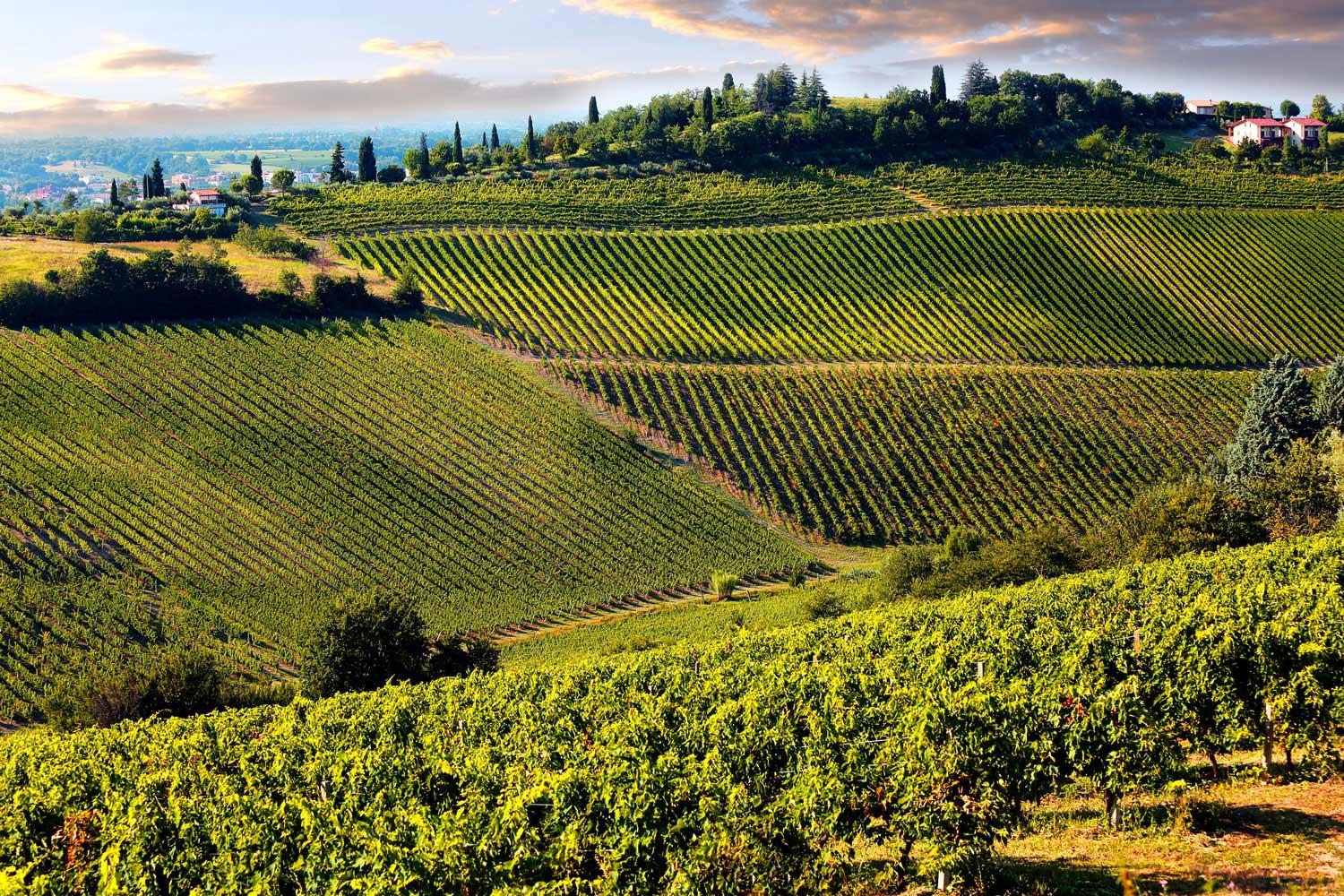
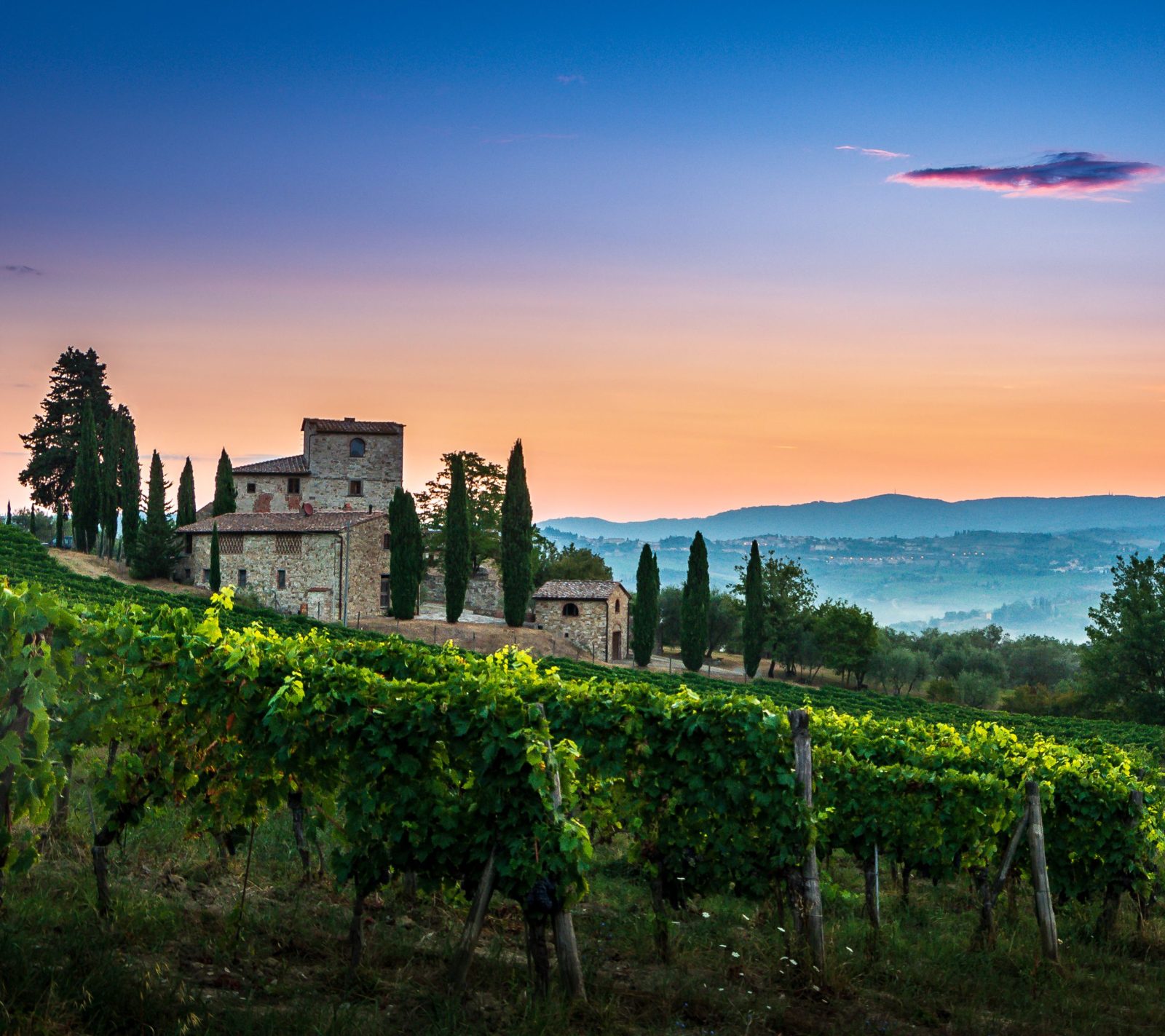
Rolling vineyards and centuries-old cellars, an hour south of the Leaning Tower
Compare fares, pick the fit — all bookings are mobile-voucher and eligible for free cancellation where shown.
12 hr 30 min
12 hr
4 hr
Selecting the right chianti wine tour from pisa requires balancing the depth of your vineyard exploration with your available time in the region. Whether you prefer a concise overview of local cellars or an immersive full-day experience, there are various ways to enjoy the renowned Sangiovese landscapes.
| Half-Day Tour Concise Exploration |
Top pick Full-Day Tour In-depth Experience |
|
|---|---|---|
| Duration | 4-5 hours | 7-9 hours |
| Winery Visits | 1-2 estates | 2-3 estates |
| Tasting Included | ||
| Lunch Included | — | Traditional Tuscan lunch |
| Arrival Method | Guided transport | Guided transport |
| Best for | Time-sensitive visitors | First-timers seeking immersion |
| See tickets & prices |
Verdict: For the most complete experience, a full-day chianti wine tour from pisa tour offers the best value for first-time visitors, while a half-day chianti wine tour from pisa is ideal for those managing a tighter schedule who still want to purchase official chianti wine tour from pisa tickets for a classic Tuscan tasting.
Worth it for wine lovers seeking Tuscan vineyard immersion
A chianti wine tour from pisa delivers authentic access to Tuscany's rolling vineyard estates, typically pairing two or three winery visits with traditional Tuscan lunch and round-trip transport from Pisa. Tours run 8–10 hours and eliminate the logistical burden of navigating narrow Chianti roads yourself—critical when wine tasting is involved. You'll sample Chianti Classico, Super Tuscans, and Vin Santo directly at source, often with cellars tours and producer interaction that supermarket bottles can't replicate. The value math works for anyone prioritizing wine education and countryside scenery over rushed multi-town sightseeing; Chianti wine tour from pisa tickets bundle transport, tastings, and meals into one flat rate, whereas self-driving incurs car hire, parking fees, and the risk of exceeding tasting limits. Skippable if you're indifferent to wine or prefer urban landmarks—Pisa to Chianti requires 90 minutes each way, so the day commits fully to vineyards rather than architectural monuments.
Bottom line: Book a Chianti wine tour from Pisa if tasting at the source and Tuscan landscapes outweigh the trade-off of a full-day commitment and extended coach time.
A chianti wine tour from pisa offers a deep dive into Tuscan viticulture, whereas a Florence day trip provides immediate access to world-class Renaissance art and urban history. Visitors choosing a chianti wine tour from pisa tours often prioritize relaxation and rolling landscapes over the bustling crowds of the provincial capital.
|
Top pick Chianti Wine Tour |
Florence Day Trip | |
|---|---|---|
| Focus | Vineyards and viticulture | Art and city history |
| Primary transport | Bus or private car | Regional train |
| Travel duration | 1.5–2 hours each way | 1 hour each way |
| Entrance fee | 0 EUR (tastings extra) | 0 EUR (city entry free) |
| Best arrival window | 09:00–11:00 | Before 09:00 |
| Atmosphere | Rural and tranquil | Urban and energetic |
| Main highlight | Sangiovese wine estates | Uffizi Gallery and Duomo |
| See tickets & prices |
Verdict: Select the chianti wine tour from pisa tickets for a sensory experience in nature, or choose the Florence alternative if your itinerary demands comprehensive museum access and central transit connectivity.
Hand-picked experiences loved by thousands of travelers
4 hours
Free Cancellation
Discover organic winemaking at a family-run estate in the Tuscan hills with guided cellar tour and tastings
12 hours
Free Cancellation
Discover three UNESCO treasures and taste Chianti wines on this full-day Tuscan escape from Florence
12 hours
Free Cancellation
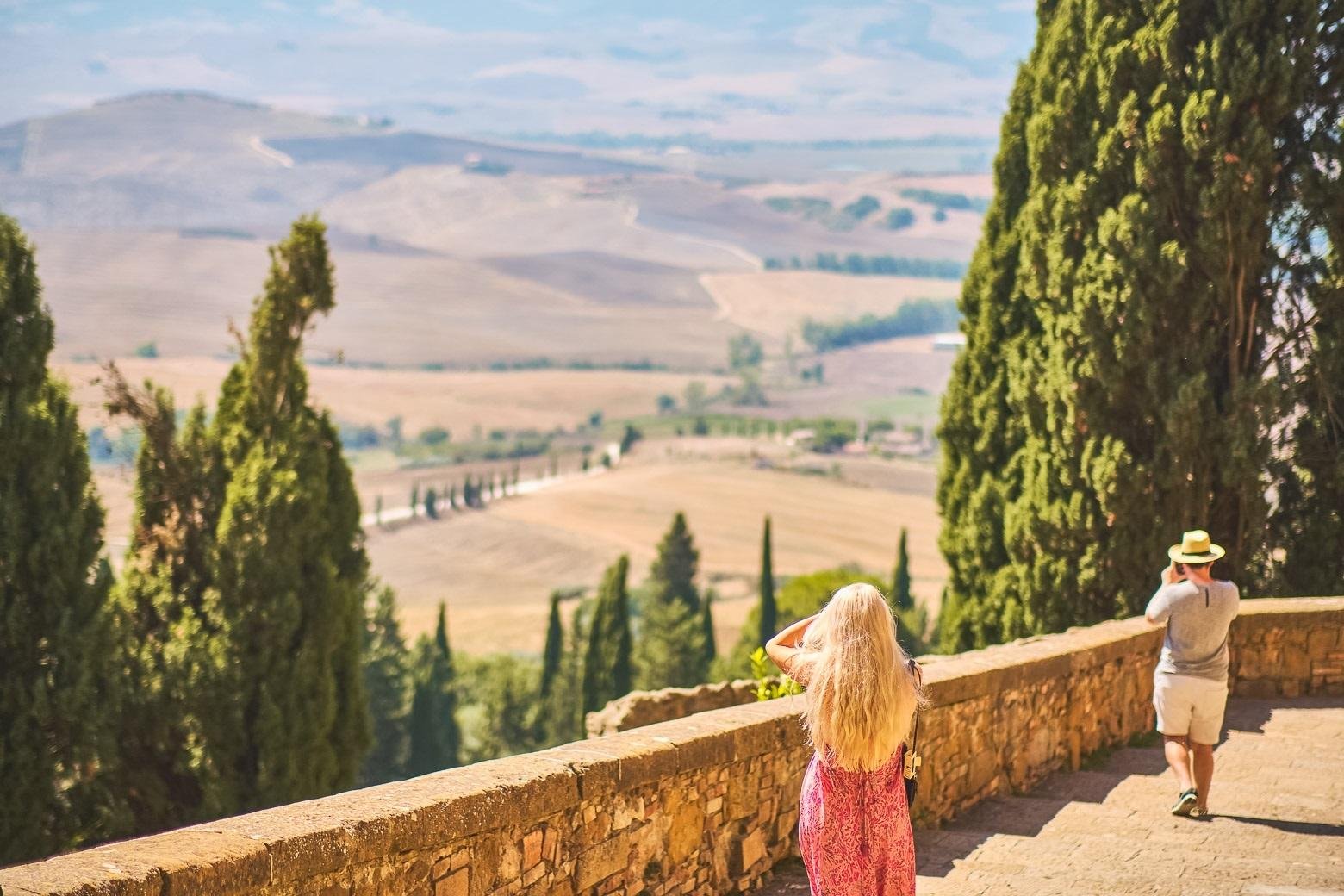
Journey through UNESCO-listed Val d'Orcia with wine tastings at authentic wineries and medieval town visits
10 hours
Free Cancellation
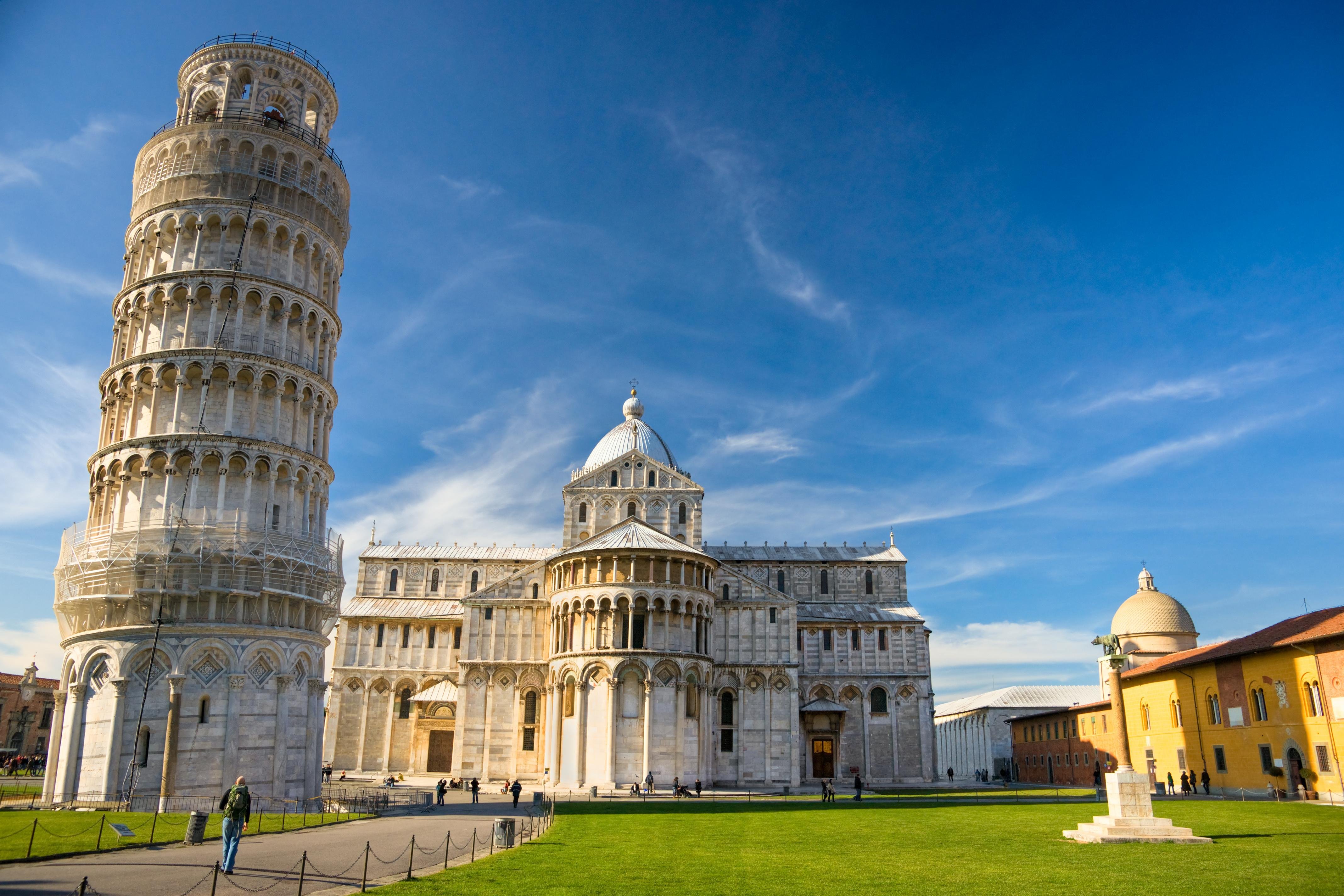
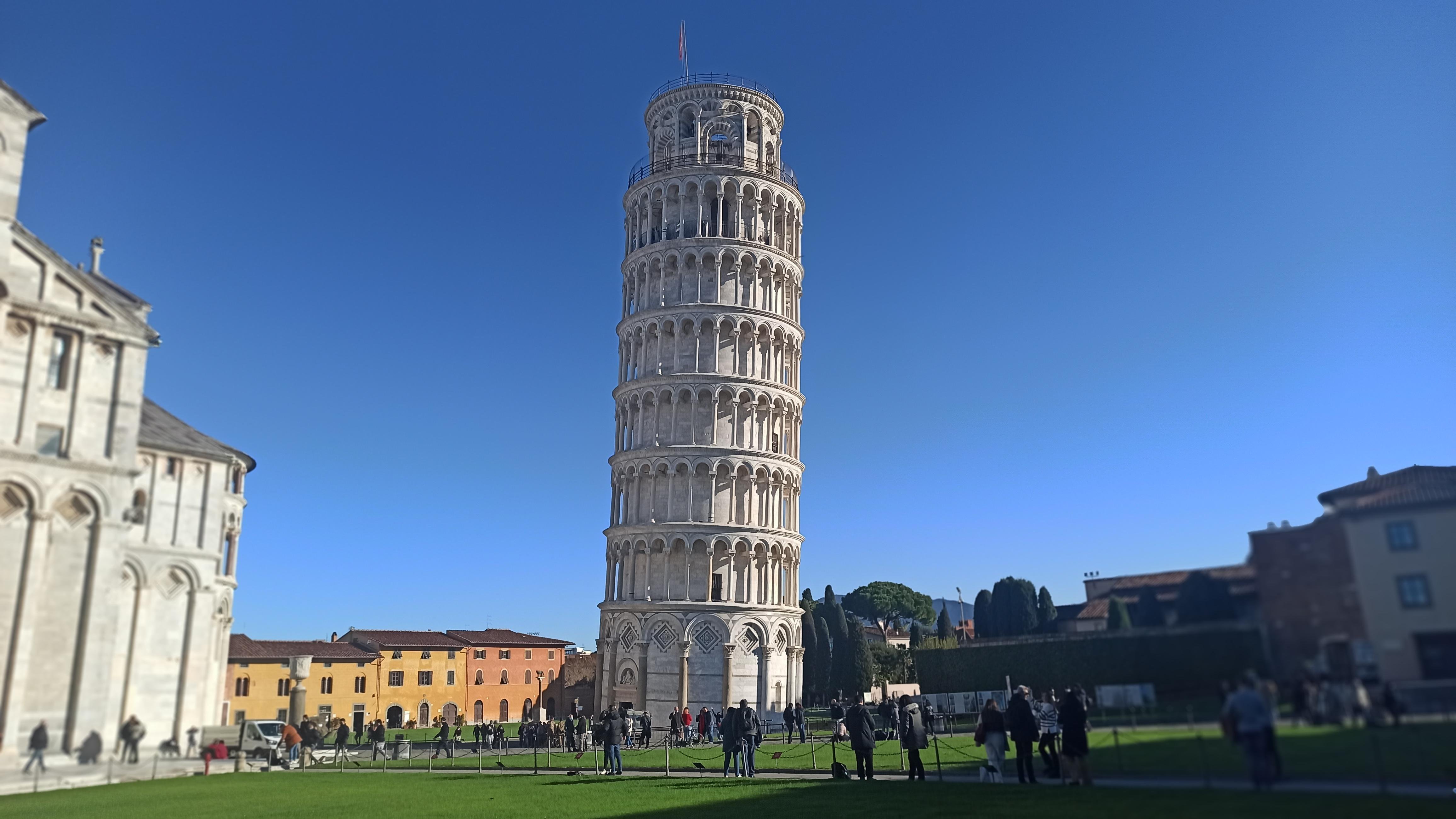
Experience Tuscany's finest in a single day: medieval towers, legendary wine, and the world-famous Leaning Tower
5 hours
Free Cancellation
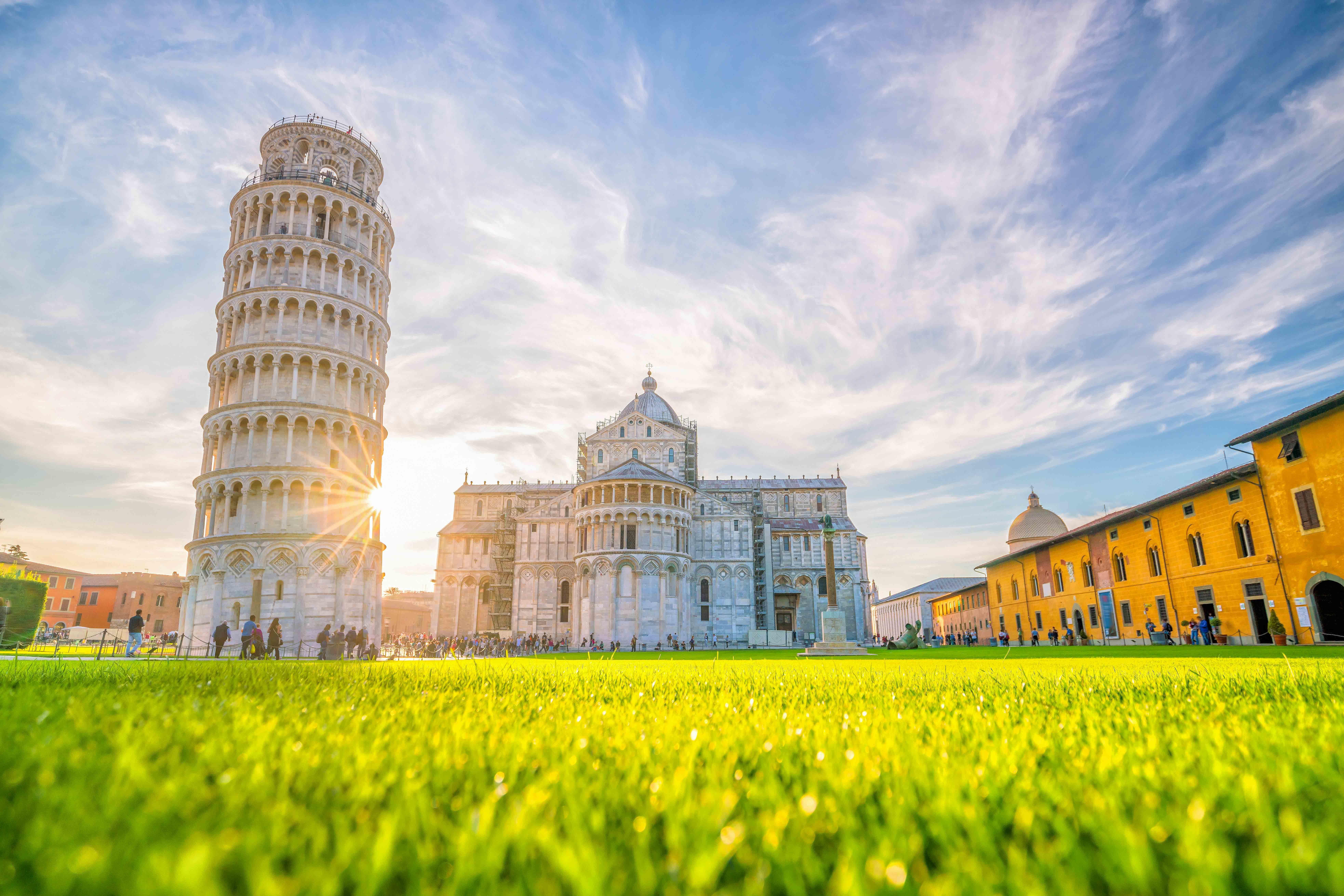
Discover the Leaning Tower and taste five regional wines at an authentic Tuscan vineyard
Travel from Pisa toward the Chianti region.
Guided walk through vineyards and cellars.
Educational sampling of local vintages.
Transit back to Pisa.
You depart Pisa by coach at 09:00, crossing the Arno floodplain as the Apuan Alps recede behind you. The road climbs into the Colline Pisane, passing olive groves and tobacco fields before entering Chianti Classico territory near Castellina.
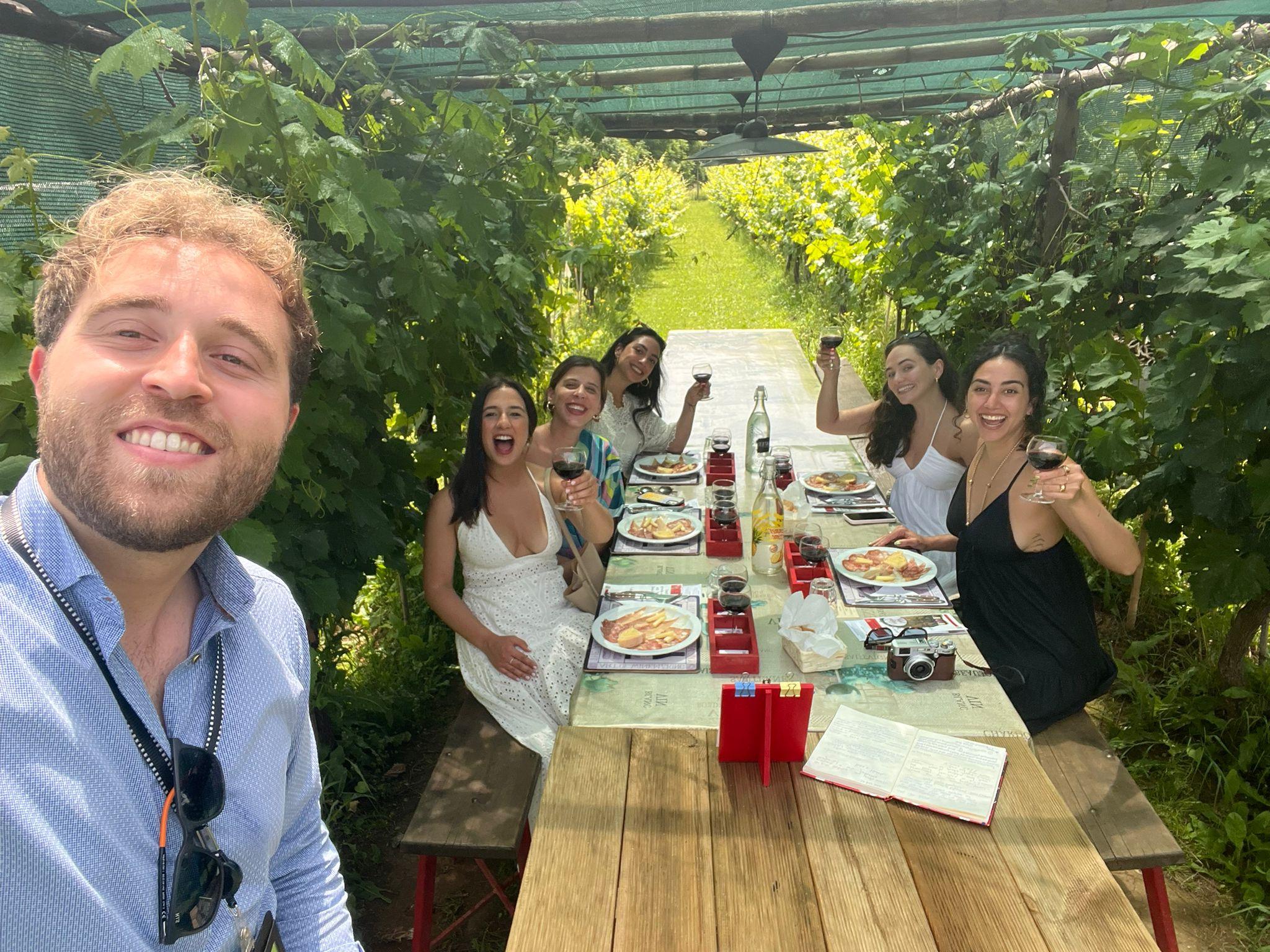
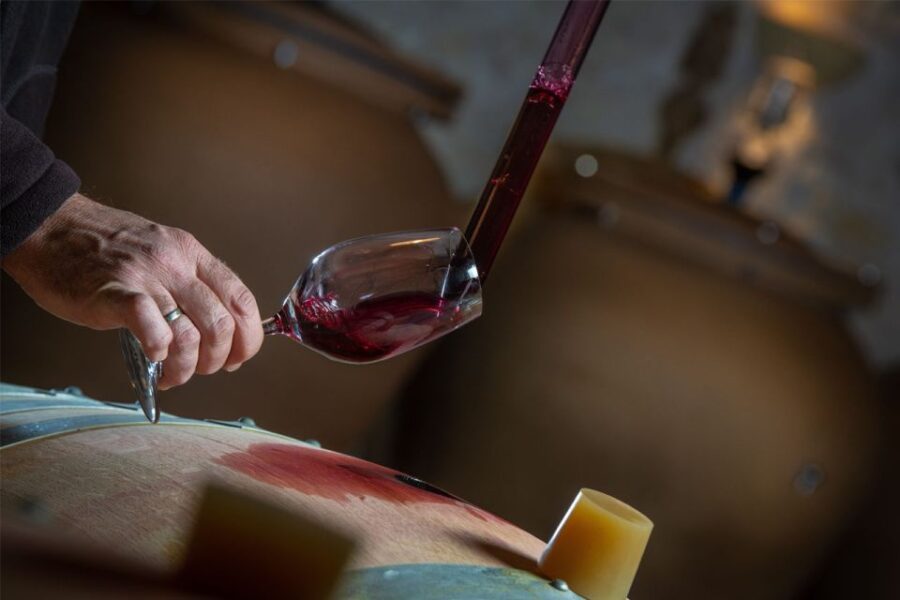
Your first stop is a family-run estate where fermentation tanks and French oak barriques line a converted 18th-century limonaia. The winemaker uncorks a Chianti Classico Riserva and a younger annata, explaining the difference between governo toscano secondary fermentation and modern single-vineyard techniques. You taste four wines paired with Tuscan bread drizzled in estate olive oil.
After the tasting you continue to San Gimignano, its 14 stone towers visible from five kilometers out. You walk the Via San Giovanni to Piazza della Cisterna, pausing at a trattoria for pici all'aglione and a carafe of Vernaccia, the town's white wine. The afternoon brings a second vineyard stop near Radda, this one a medieval abbey conversion with barrel-vaulted cellars dug into tufa bedrock. You tour the aging room, where Riserva bottlings rest in 30-hectoliter Slavonian casks, then return to Pisa by 18:00.
All the details about your upcoming adventure in one place
The Chianti region produces 8.5 million bottles annually under the Gallo Nero seal, a black rooster emblem that has certified Sangiovese-based wines since 1924.
Stretched across the Monti del Chianti between Florence and Siena, the denomination encompasses 70,000 hectares of terraced vineyards, stone farmhouses, and cypress-lined roads that have supplied Europe's tables since Etruscan viticulture took root in the eighth century BCE. Medieval guilds formalized the boundaries in 1716 when Cosimo III de' Medici issued the first geographic wine appellation in history, three centuries before France's AOC system.
Today the zone is split into Chianti Classico—the historic heartland between Greve, Castellina, and Radda—and eight satellite sub-zones stretching to the Apennines and the Tyrrhenian coast. Estate cellars range from 13th-century abbey conversions with barrel-vaulted tasting rooms to modernist concrete cubes designed by Renzo Piano. Tours departing Pisa cross the Arno plain and climb into the Colline Pisane, entering Chianti Classico territory near San Gimignano's medieval towers. Most itineraries pair two vineyard stops with a lunch of pici pasta, pecorino, and finocchiona salami, the region's fennel-seed sausage that appears on every agriturismo menu.
The Chianti Classico consortium operates a visitor center in Greve's Piazza Matteotti, but the majority of travelers book guided tours that bundle transport, reserved tastings, and entry to hilltowns like Siena and Volterra. Harvests run September through October; estates open their doors to the public year-round, though some family-run cantinas require advance booking outside summer months. The strada chiantigiana—SR222—is the scenic spine linking Greve, Panzano, and Castellina, threading through oak forests and past Romanesque pievi that served as parish churches when the region was a buffer zone between Florentine and Sienese territories. Modern tastings emphasize single-vineyard Riserva bottlings aged 24 months in Slavonian oak, a departure from the straw-wrapped fiaschi that once dominated export markets.
Cosimo III de' Medici issued the first geographic wine appellation in history in 1716, three centuries before France's AOC system.
Casual and comfortable attire is recommended for a chianti wine tour from pisa. Sturdy walking shoes are preferred when navigating uneven vineyard terrain.
Small daypacks are allowed, but large luggage is generally prohibited during a chianti wine tour from pisa. Security protocols vary by private estate.
Photography is permitted for personal use at most locations. Always ask for permission before taking photos inside private wine cellars on your chianti wine tour from pisa.
While wineries welcome visitors, a chianti wine tour from pisa is primarily focused on tasting. Check if your chosen estate offers non-alcoholic options for children.
Many historic wineries have restricted access for those with mobility issues. Ensure your chianti wine tour from pisa operator confirms accessibility before booking.
Outside food is not permitted at tasting venues. Guests may enjoy local gastronomy provided during the chianti wine tour from pisa lunch service.
Opening Hours
09:00–18:00
Address
Chianti Region, Tuscany, Italy
Accessibility
Varies by estate; check specific winery.
Best arrival window
09:00–11:00
Storage
Not available in the region
Region
Chianti Classico territory
Car · 1h 30m · Cost depends on fuel and rental fees.
Rental is the most flexible way to reach the region.
Cancellations made 24 hours prior are eligible for a full refund. All bookings are subject to the Chianti Region, Tuscany, Italy policy, noting that there is a 0 EUR entrance fee to the region itself.
Recommended time
Full day
Planning a chianti wine tour from pisa requires a full day to account for travel through the Tuscan countryside. While a shorter chianti wine tour from pisa tours excursion can cover one estate, allocate extra time if you intend to visit multiple cellars or participate in seated tastings. Securing chianti wine tour from pisa tickets in advance ensures access to popular vineyards as local viticulture interest peaks during midday hours.
Crowd levels through the day
Weather · crowds · average price — dots go green to amber to red as each metric rises.
Mild temperatures and blooming vineyards make it perfect for a Chianti day trip from Pisa.
Secure your chianti wine tour from pisa early to guarantee preferred tasting times. Morning slots fill up quickly during the peak season.
The rolling hills between Florence and Siena have nurtured grapevines since Etruscan settlers planted the first vineyards in the eighth century BCE. Roman agronomists later documented viticultural techniques that would shape Tuscan winemaking for centuries. By the medieval period, Florentine merchants traded wine across Europe, establishing the region's commercial reputation. The League of Chianti formed in 1384 as a military alliance of three villages—Radda, Gaiole, and Castellina—uniting to defend against Sienese expansion. These fortified settlements still anchor modern chianti wine tour from pisa itineraries. The defining moment arrived on September 24, 1716, when Grand Duke Cosimo III de' Medici issued a proclamation legally delimiting the boundaries of Chianti wine production. This edict represented Europe's first attempt at geographic wine classification, predating France's appellation system by two centuries. Cosimo's decree named four communes—the original League territories plus Greve—as the exclusive zone for authentic Chianti. The proclamation established quality standards and protected the region from fraudulent labeling, a problem that had plagued Tuscan wine exports. The Black Rooster emblem, adopted from the League's medieval seal, became the symbol of Chianti Classico in 1924 when producers formalized the distinction between historic core vineyards and expanded territories. Phylloxera devastated European vineyards in the 1880s, forcing Chianti growers to replant with resistant American rootstock. Baron Bettino Ricasoli pioneered the modern blend formula at Castello di Brolio in 1872, combining Sangiovese with Canaiolo and white grape varieties. His scientific approach transformed peasant table wine into a structured export product. The Chianti Classico consortium formed in 1924 to defend the original production zone, introducing strict regulations that govern what visitors taste during wine tours today. The region earned DOCG status in 1984, cementing its position as Italy's most regulated wine territory.
Etruscan settlers planted the first vineyards in the hills between Florence and Siena.
The League of Chianti formed as a military alliance uniting Radda, Gaiole, and Castellina against Siena.
Grand Duke Cosimo III de' Medici issued Europe's first legal delimitation of wine production boundaries.
Baron Bettino Ricasoli developed the modern Chianti blend formula at Castello di Brolio.
Phylloxera epidemic destroyed vineyards, forcing replanting with disease-resistant American rootstock.
Producers founded the Chianti Classico consortium and adopted the Black Rooster seal.
Chianti Classico earned DOCG status, establishing Italy's strictest wine production regulations.
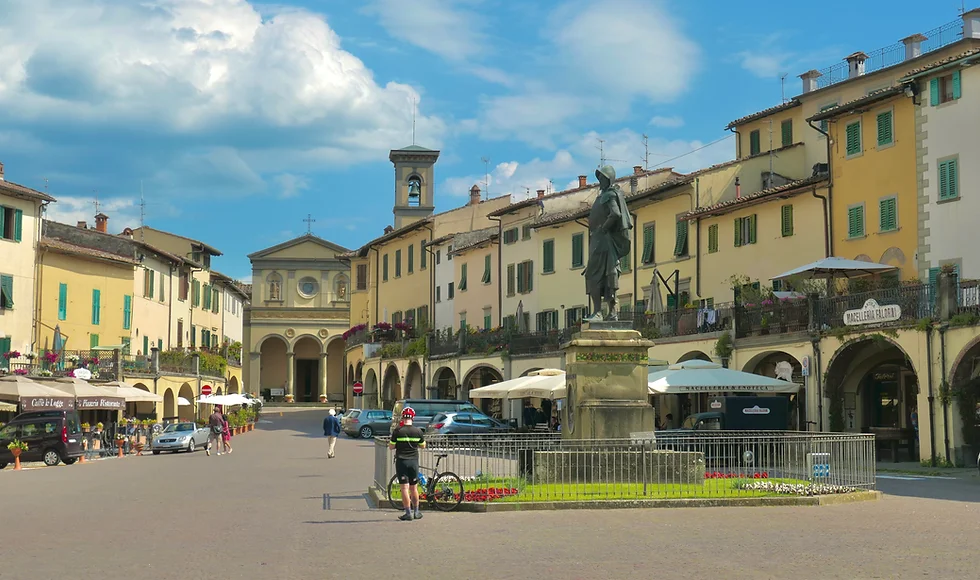
Stand in the center of this triangular square to capture the historic arcades and local storefronts. It serves as an ideal anchor for those on a chianti wine tour from pisa who want to document authentic village life.
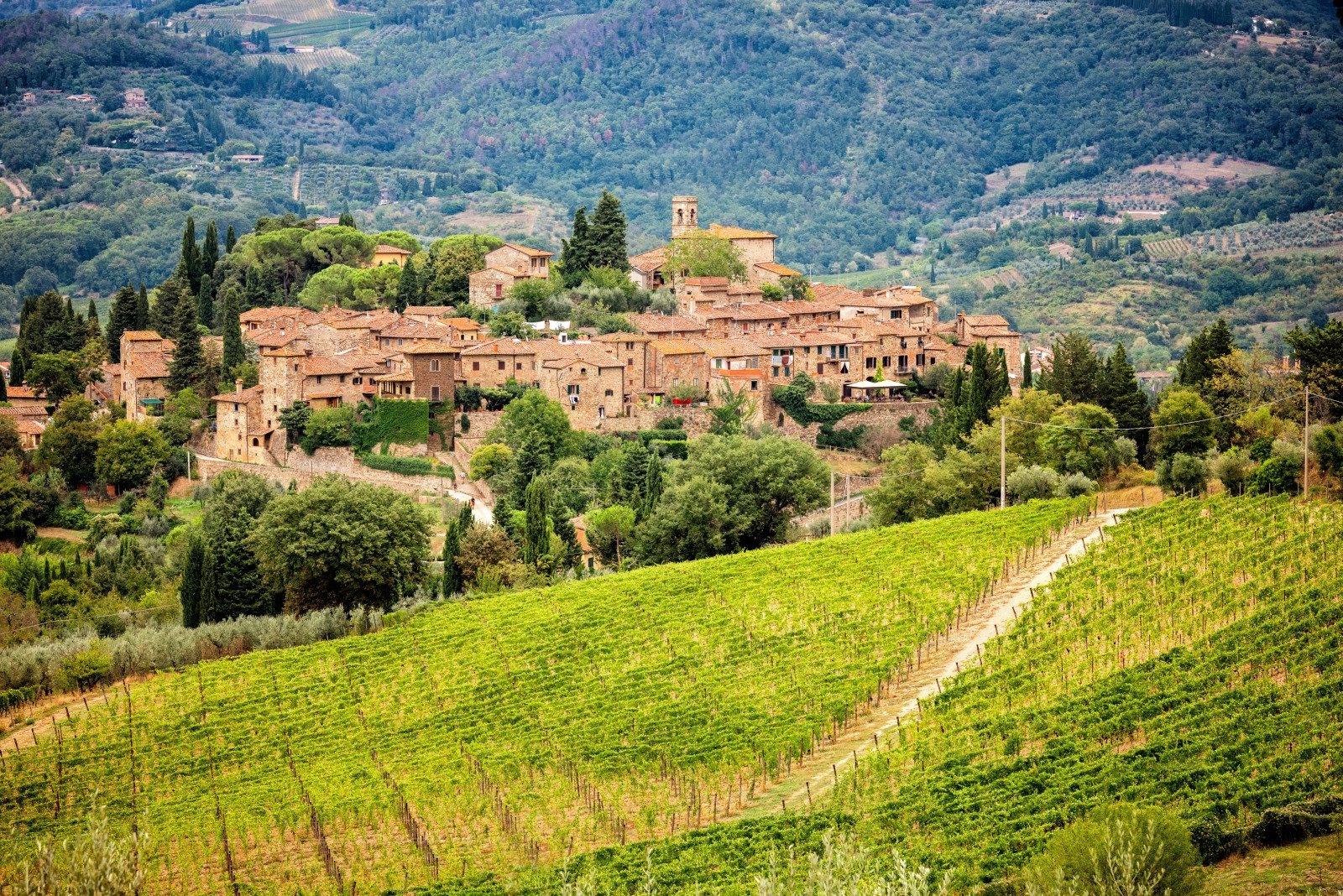
Walk along the perimeter of this fortified hamlet to frame the stone masonry against the backdrop of rolling Tuscan hills. This location offers a quiet perspective for any chianti wine tour from pisa tours.
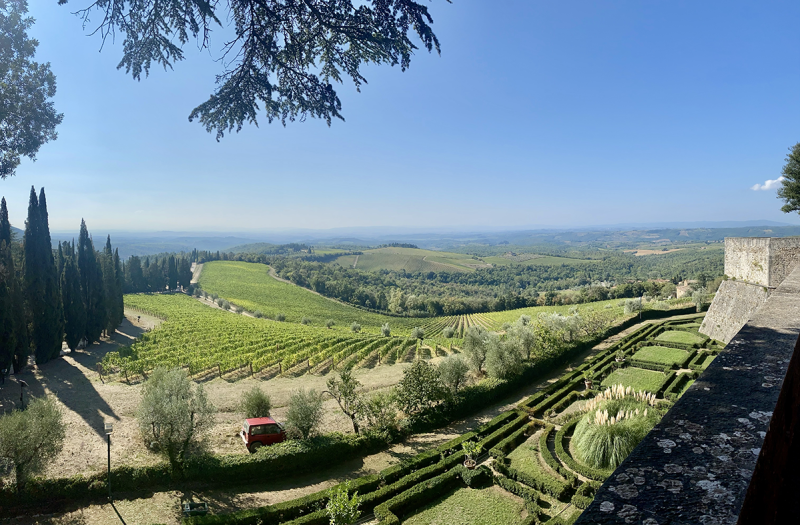
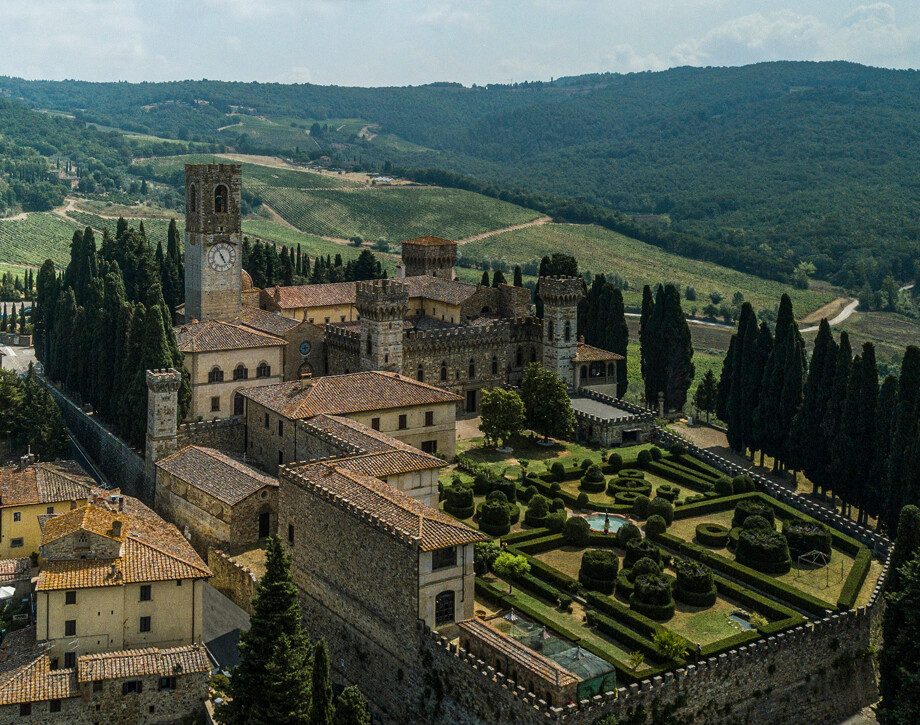
Position your camera on the panoramic terrace to overlook the expansive vineyards and structured gardens. Booking chianti wine tour from pisa tickets often provides access to these elevated vantage points.
Capture the view from the church terrace looking out over the Conca d'Oro valley. This spot provides the iconic landscape imagery associated with a chianti wine tour from pisa tour.
Planning a chianti wine tour from pisa offers families a chance to enjoy the rolling vineyards and scenic Tuscan landscape. While the region is expansive, most estates are welcoming to families who appreciate the open countryside and historical olive groves.
Most farm tracks are unpaved and uneven, so a sturdy all-terrain stroller or a child carrier is essential for your chianti wine tour from pisa tours. Avoid umbrella strollers as they struggle on the gravel paths found at many vineyard estates.
Public baby-changing stations are rare in rural areas, so plan to use your own supplies within your vehicle. Many wineries have private restrooms, but it is best to confirm availability when booking your chianti wine tour from pisa tickets.
Early morning is the ideal time to explore, as the best arrival window is 09:00–11:00 to avoid midday heat. Keeping your itinerary flexible ensures that children can enjoy the fresh air without feeling rushed between locations.
Many wineries offer light snacks or grape juice for younger visitors, though packing your own picnic supplies provides the most flexibility. Look for estates that offer outdoor seating, which is a great feature of a family-friendly chianti wine tour from pisa tour.
School-aged children often enjoy the wide-open spaces of the Tuscany landmarks, while younger toddlers may find longer tastings tedious. Focus on shorter estate visits that allow for outdoor movement.
Dining in the Chianti region typically involves rustic farmhouse lunches at estates or stopping in historic villages, which are central components of any chianti wine tour from pisa. Most visitors find that exploring the local enogastronomy pairs perfectly with the rolling hills and olive groves of this famous Italian landscape.
Located in Greve in Chianti, this historic butcher shop offers curated platters of local cured meats and cheeses. It is ideal for a quick, high-quality meal during a chianti wine tour from pisa tours stop.
Situated in a scenic spot near Castellina, this venue provides refined Tuscan plates featuring seasonal ingredients. It is a popular choice for those booking chianti wine tour from pisa tickets who prefer a sit-down atmosphere.
This spot in the heart of Panzano offers an extensive selection of regional labels and simple, traditional appetizers. It serves as a convenient stop for travelers on a chianti wine tour from pisa tour needing a light, authentic bite.
Everything you need to know for your journey
The best arrival window is 09:00–11:00 to avoid heat. This ensures your chianti wine tour from pisa is comfortable.
There is a 0 EUR entrance fee to the region, though individual wineries charge for tours.
Yes, pre-booking chianti wine tour from pisa tickets is essential to guarantee space at estates.
The most reliable way is by car, but many prefer a guided chianti wine tour from pisa for convenience.
Most operators permit families, but check specific rules for your chosen chianti wine tour from pisa provider.
Yes, you can take photos during your chianti wine tour from pisa for personal use.
Wear comfortable, casual clothing and sturdy shoes for your chianti wine tour from pisa.
Yes, booking your chianti wine tour from pisa ahead of time is recommended due to popularity.
No, outside food is generally prohibited during a chianti wine tour from pisa.
Historic castle with expansive gardens and views.
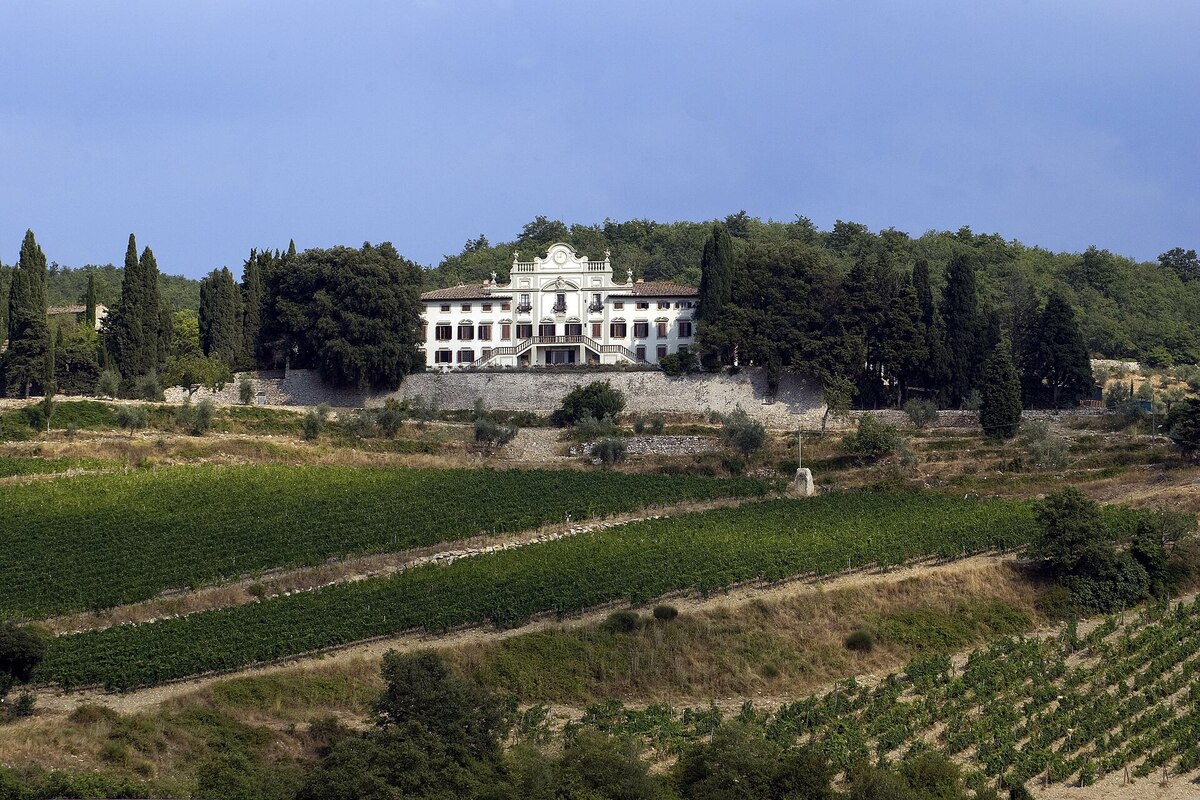
High-end resort offering authentic Tuscan hospitality.
Join thousands of happy travelers who have discovered this incredible experience
Book Your Experience Now