6 hr 30 min
Chianti Wine Region Tour from Florence
- Expert local guide
- Small group
- Skip-the-line access
- Free cancellation
Chianti Wine Tour From Florence — Vineyard Tastings & Hillside Estates
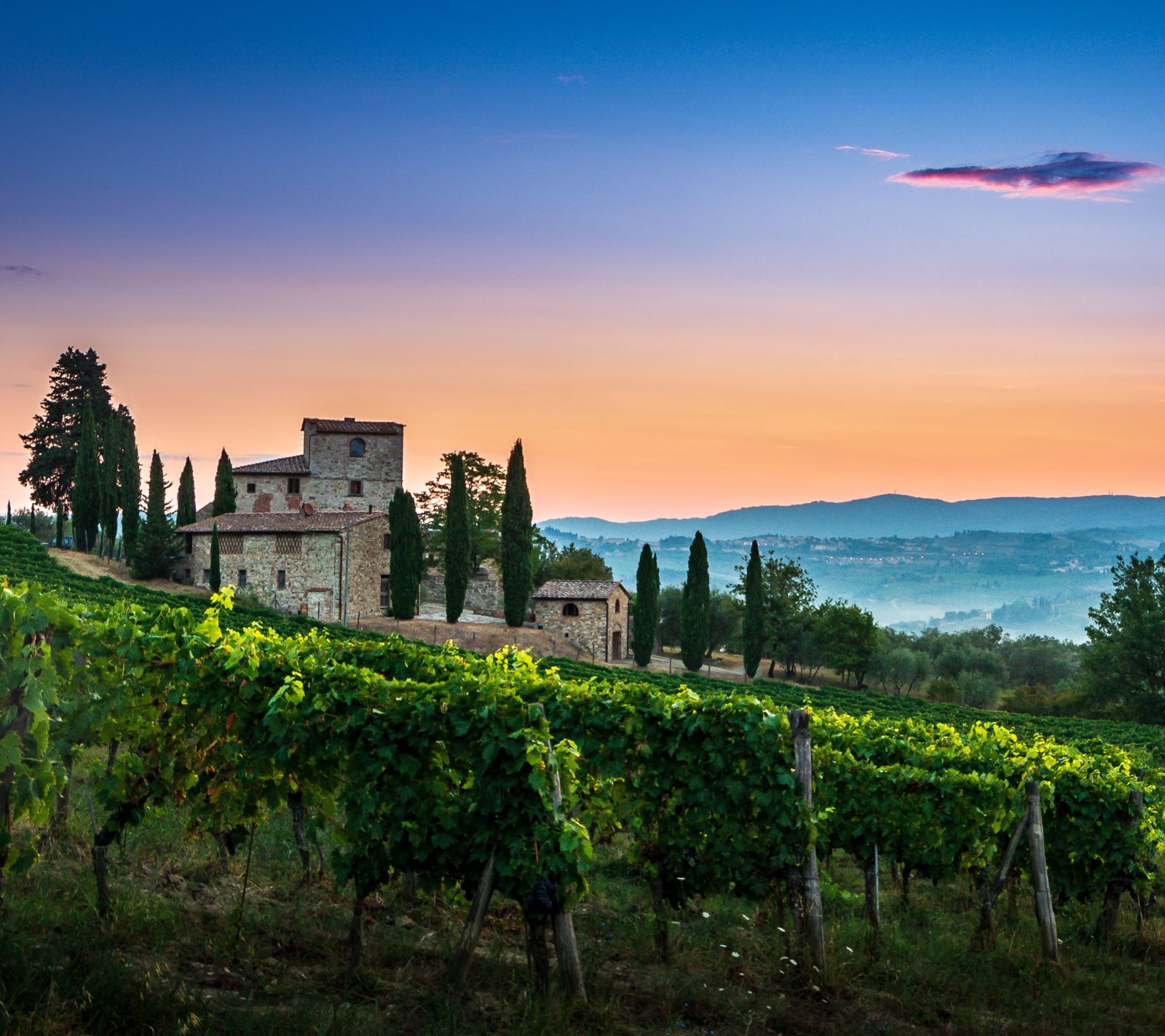
Cypress-lined roads through Tuscany's wine country, every estate a cork-pop away
Compare fares, pick the fit — all bookings are mobile-voucher and eligible for free cancellation where shown.
6 hr 30 min
4 hr 30 min
11 hr
Planning a chianti wine tour from florence requires choosing between various transport methods and tasting experiences. Selecting the right excursion helps you navigate the rolling hills and historic vineyards of this iconic Tuscan region efficiently.
| Small Group Tour Shared Van |
Top pick Private Excursion Personal Driver |
Self-Drive Tour Rental Car | |
|---|---|---|---|
| Travel Style | Minivan transport | Private vehicle | Personal rental car |
| Wine Tastings | Two to three wineries | Customized winery visits | At your own pace |
| Logistics | Fixed itinerary | Flexible schedule | Complete independence |
| Group Size | Up to 15 guests | Private party | Individual or group |
| Entrance Fees | Included in tour | Paid per winery | Paid per winery |
| Best for | Social travelers | First-time visitors | Independent explorers |
| See tickets & prices |
Verdict: First-time visitors should choose a private excursion for a curated experience, while others may prefer booking chianti wine tour from florence tickets for standard group settings or opting for self-drive flexibility.
Worth it for wine lovers and scenic seekers
A chianti wine tour from florence delivers genuine value if you want rolling vineyards, medieval villages, and structured tastings without navigating Tuscan back roads yourself. Tours range from focused winery visits to broader itineraries combining San Gimignano and Siena with Chianti stops, typically running six to eight hours with round-trip transport included. You'll visit family-run estates, sample Sangiovese-based wines paired with local olive oil and cheese, and learn about terroir from producers who work the land. The region's clay-limestone soils and elevation give Chianti Classico its signature cherry and herb notes. Morning departures around 09:00 dodge midday tour bus congestion and afternoon heat. Tours from Florence justify the cost for visitors who value curated access over DIY rental-car logistics—though individual wineries charge tasting fees beyond the base tour price.
Bottom line: Chianti wine tour from florence tickets pay off when you want expert-led vineyard access without the rental-car hassle.
They complement each other; most visitors who do both find that Chianti provides the quintessential rolling vineyard experience, while Val d'Orcia offers the iconic, expansive landscapes often featured in photography. Selecting the right chianti wine tour from florence tour requires balancing your interest in historic estates against the desire for dramatic, open horizon views.
|
Top pick Chianti |
Val d'Orcia | |
|---|---|---|
| Proximity to Florence | Under 1 hour | 2 to 2.5 hours |
| Typical Landscape | Dense vineyards and olive groves | Rolling hills with cypress lines |
| Main Wine Variety | Sangiovese | Brunello di Montalcino |
| Tour Duration | 4–6 hours | 8–10 hours |
| Travel Time | 45–60 minutes | 120–150 minutes |
| Crowd Levels | Moderate to high | Low to moderate |
| See tickets & prices |
Verdict: Choose a chianti wine tour from florence tickets for quick access to classic viticulture, or venture to Val d'Orcia when seeking deeper exploration of remote, scenic terrain via chianti wine tour from florence tours.
Hand-picked experiences loved by thousands of travelers
6 hours
Free Cancellation
Half-day adventure through Tuscany's celebrated wine region featuring tastings at two estates
6 hours
Free Cancellation
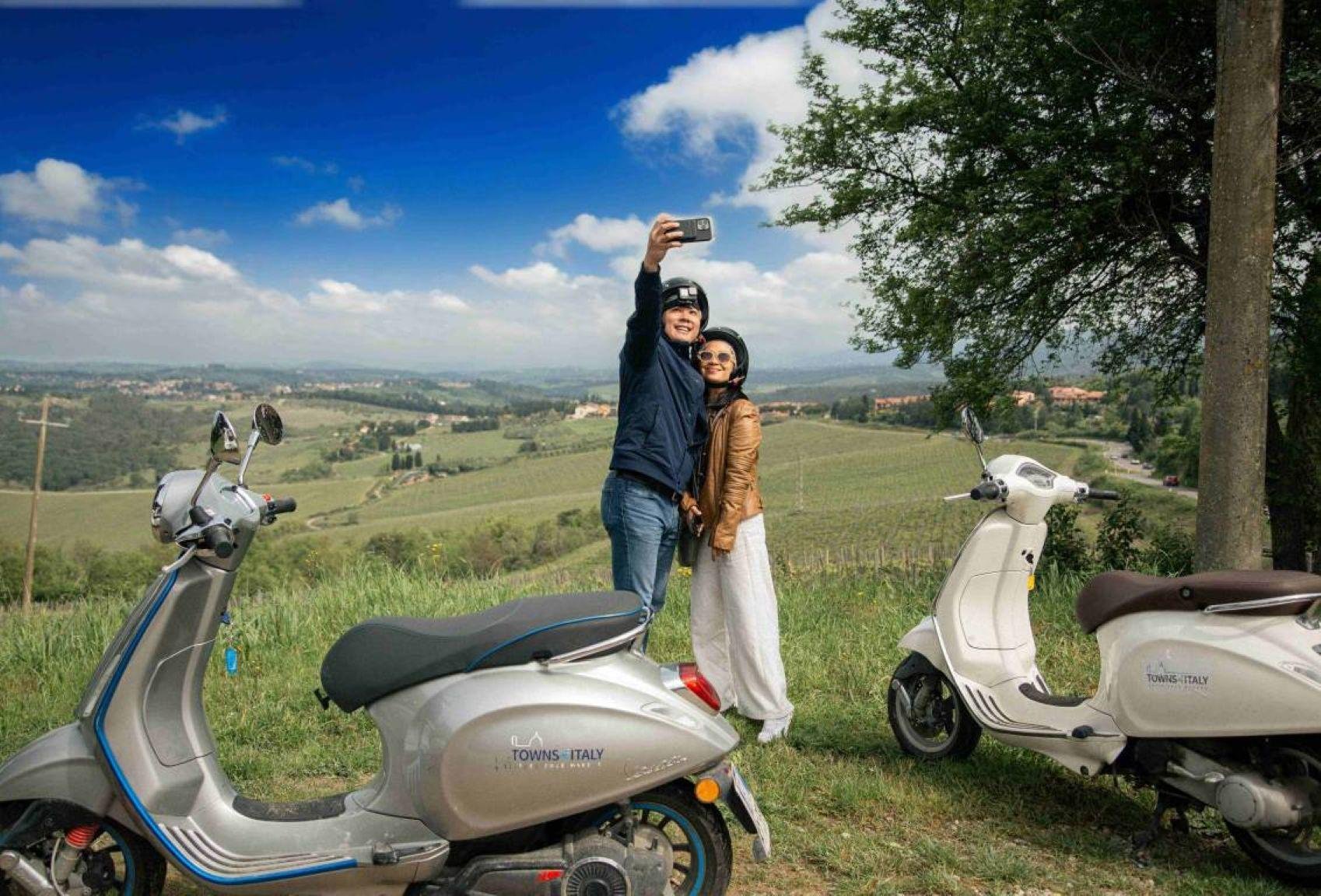
Cruise Tuscany's countryside on a Vespa or electric car, savor Chianti wines, and feast on local cuisine
6 - 9 hours
Free Cancellation
Off-road vineyard exploration with wine tastings, cellar tours, and authentic Tuscan dining in small groups
12 hours
Free Cancellation
Full-day coach tour visiting three iconic Tuscan destinations with organic wine tasting and authentic lunch
5-7 hours
Free Cancellation
Discover Tuscany's wine country with tastings at three estates, olive oil tour, and traditional meal
6 hours
Free Cancellation
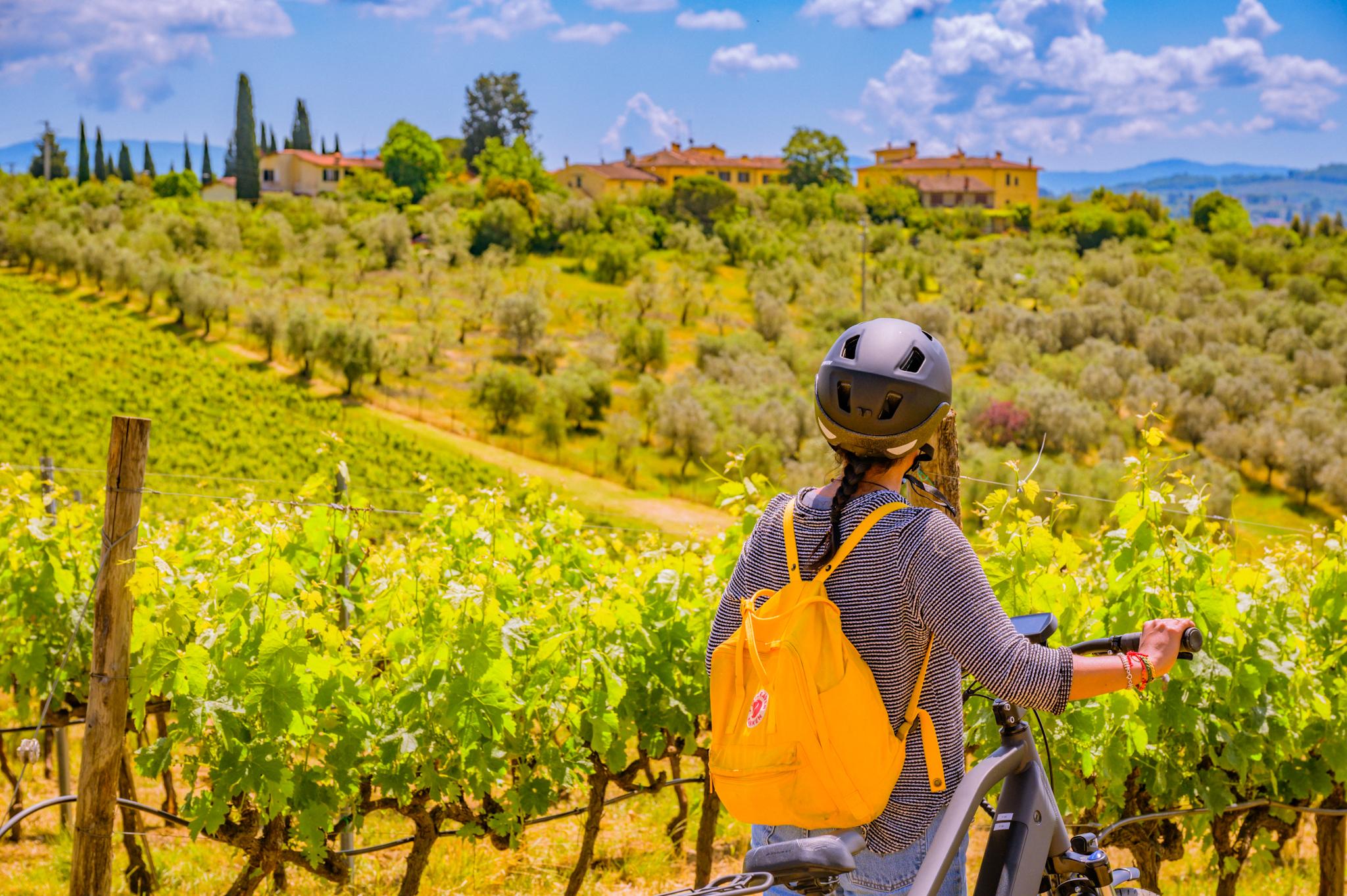
Pedal through Tuscany's iconic wine country on an electric bike, stopping for tastings and a farm lunch
7.5 to 8 hours
Free Cancellation
Explore three organic estates in Chianti, tasting exceptional wines and olive oil amid stunning vineyard vistas
12 hours
Free Cancellation
Journey through Tuscany's iconic hilltop towns and rolling vineyards on a full-day adventure
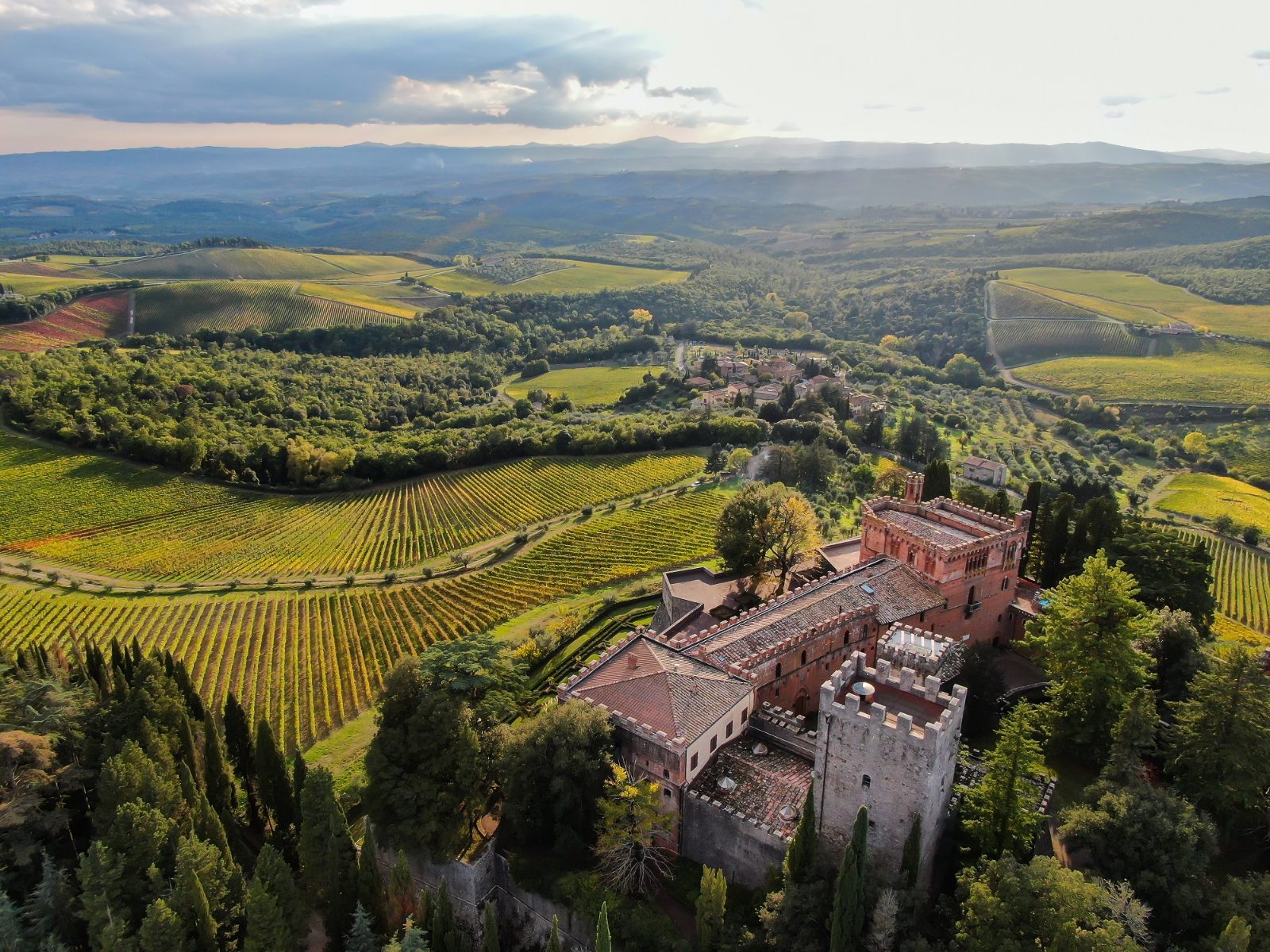
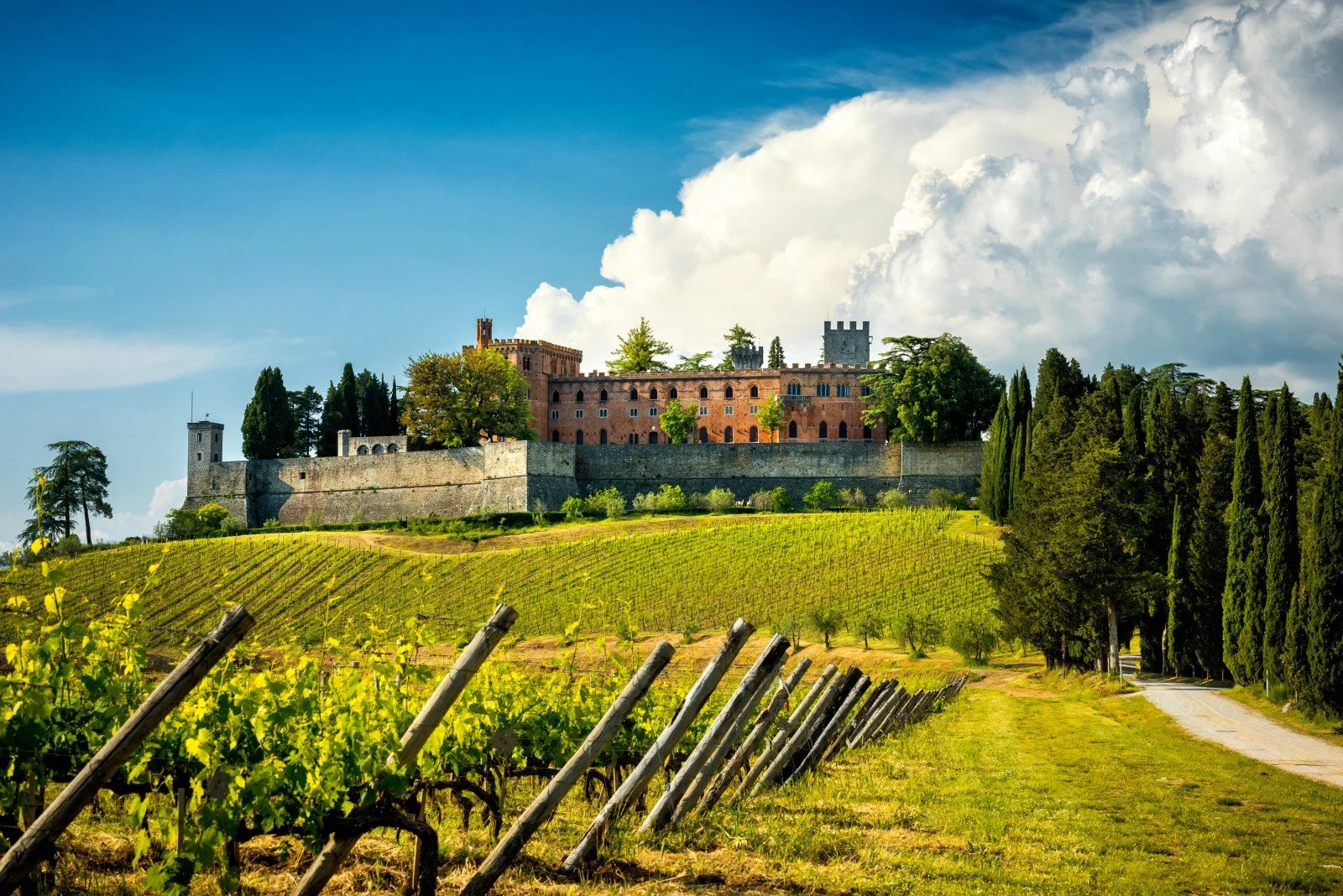
Explore the historical site where the Chianti formula was invented in 1872 by Baron Bettino Ricasoli. The estate features iconic cypress-lined roads and extensive gardens.
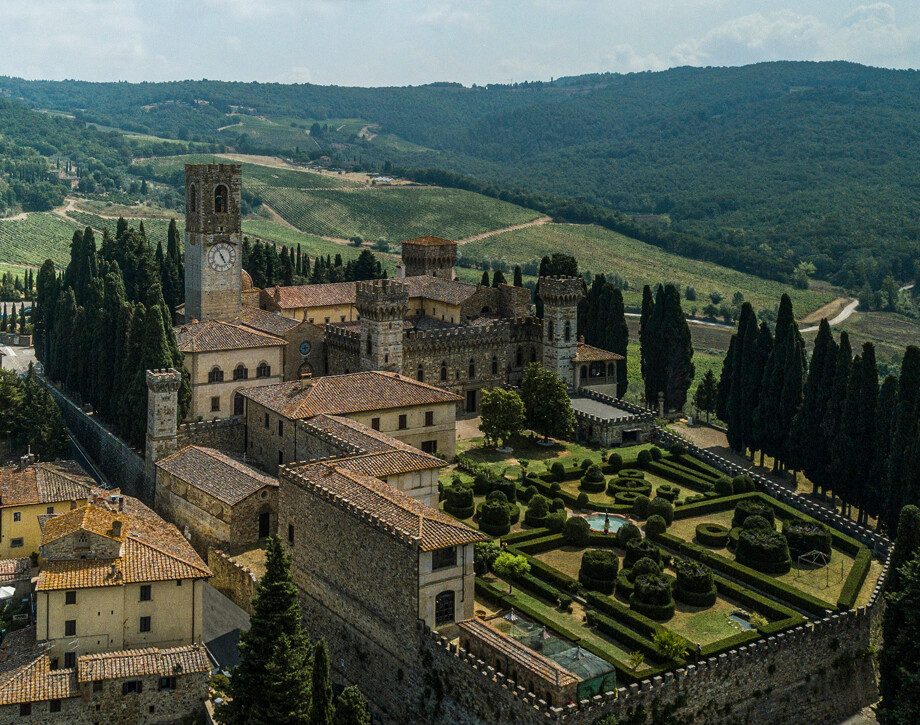
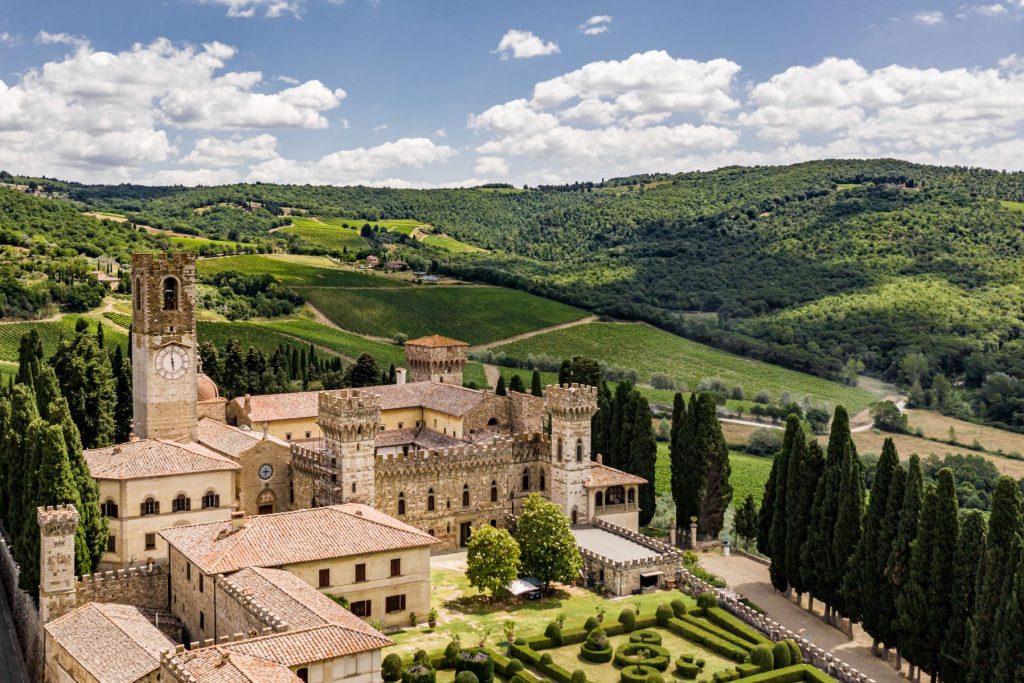
This ancient abbey, founded in 1051, remains an active monastery and wine producer. The site features beautiful architecture and serene surroundings perfect for photos.
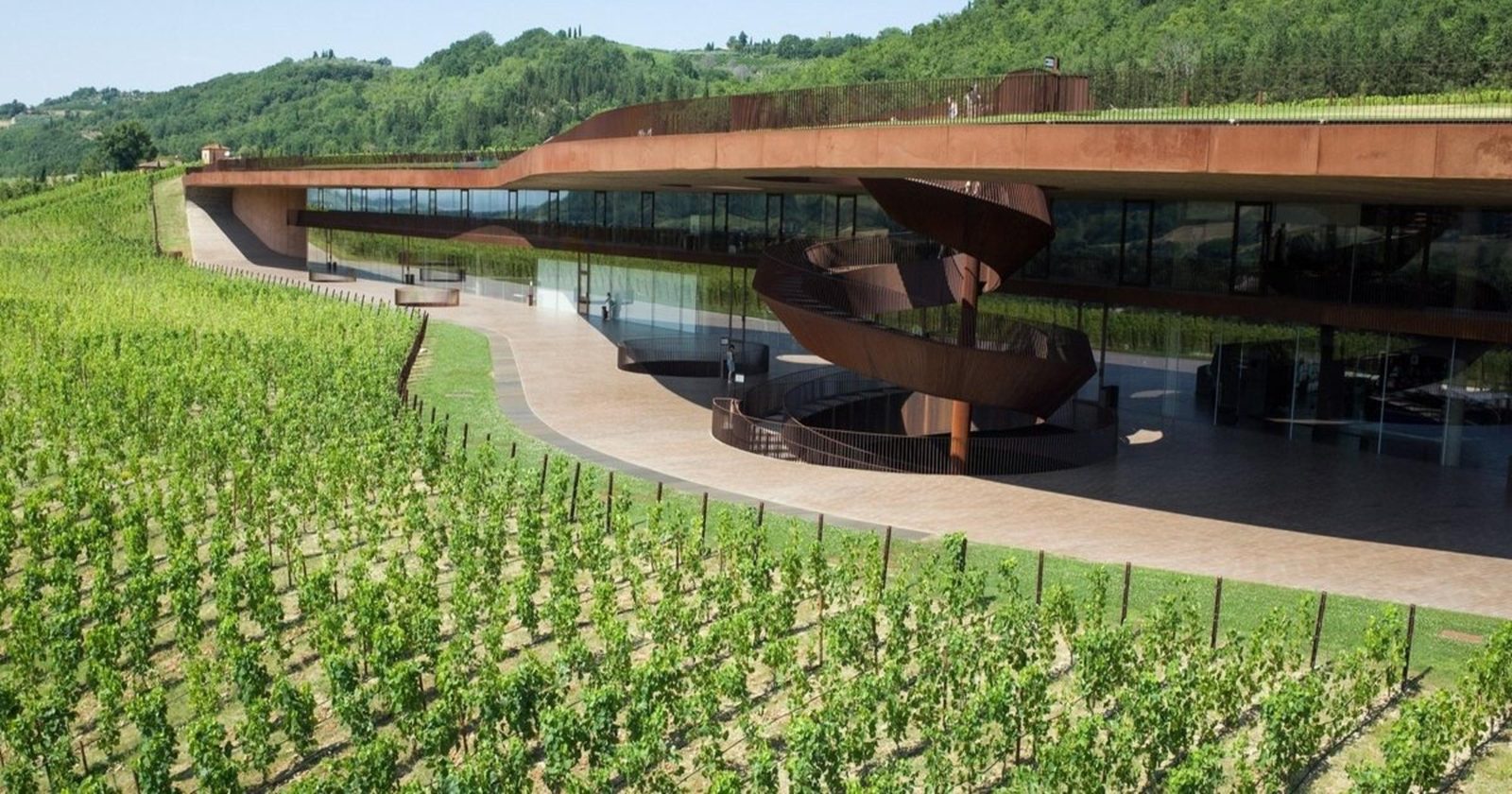
A modern architectural marvel that showcases the evolution of winemaking in the region. These state-of-the-art cellars offer deep insights into modern production techniques.
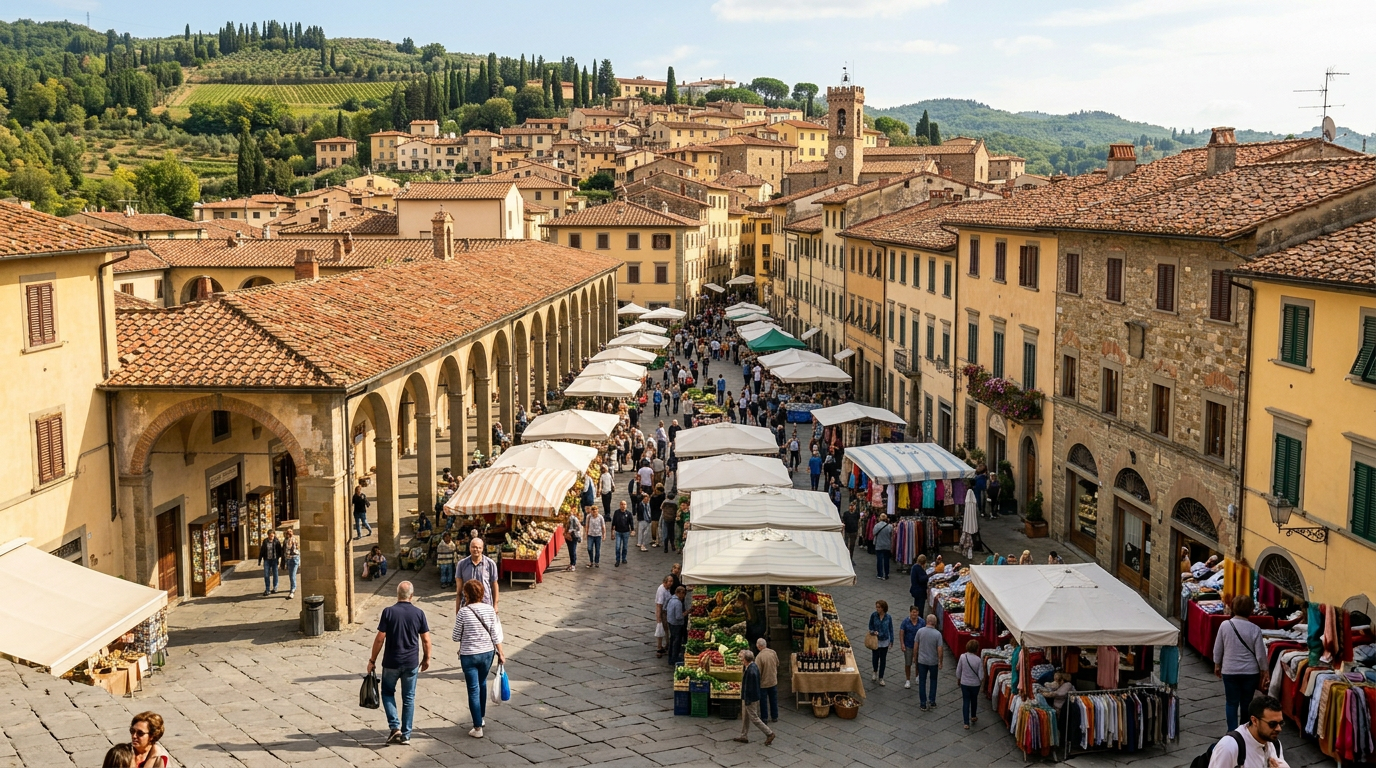
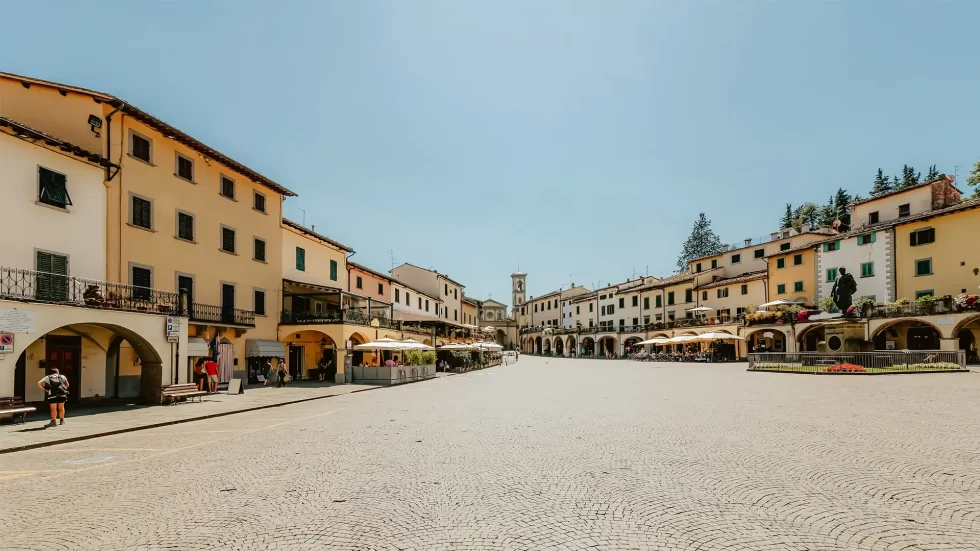
The main square in Greve in Chianti is famous for its triangular shape and porticos. It serves as a central hub for tasting local artisan products.
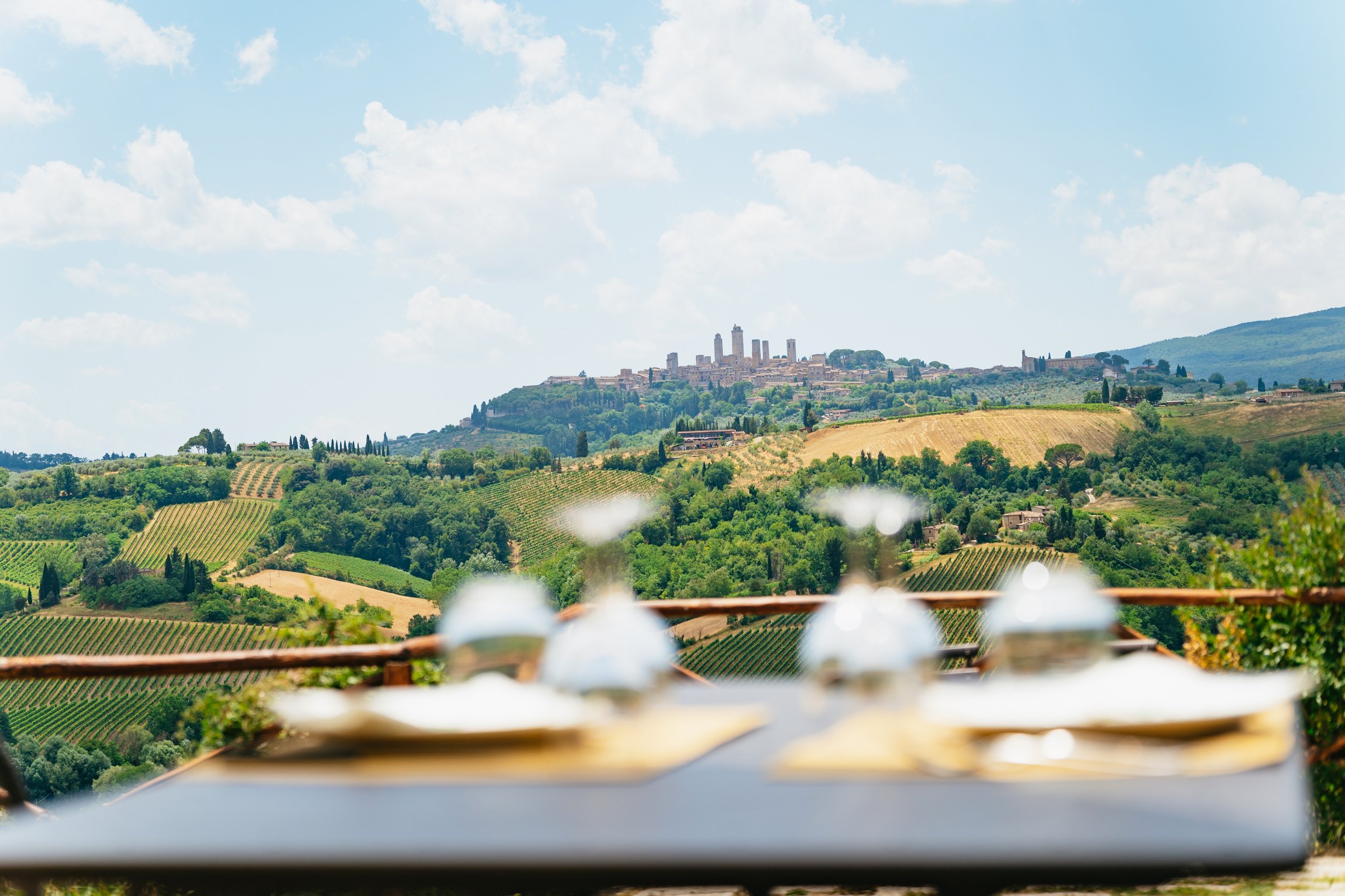
This hilltop village features an ancient fortress and a covered walkway known as the Via delle Volte. It provides stunning panoramic views over the surrounding hills.
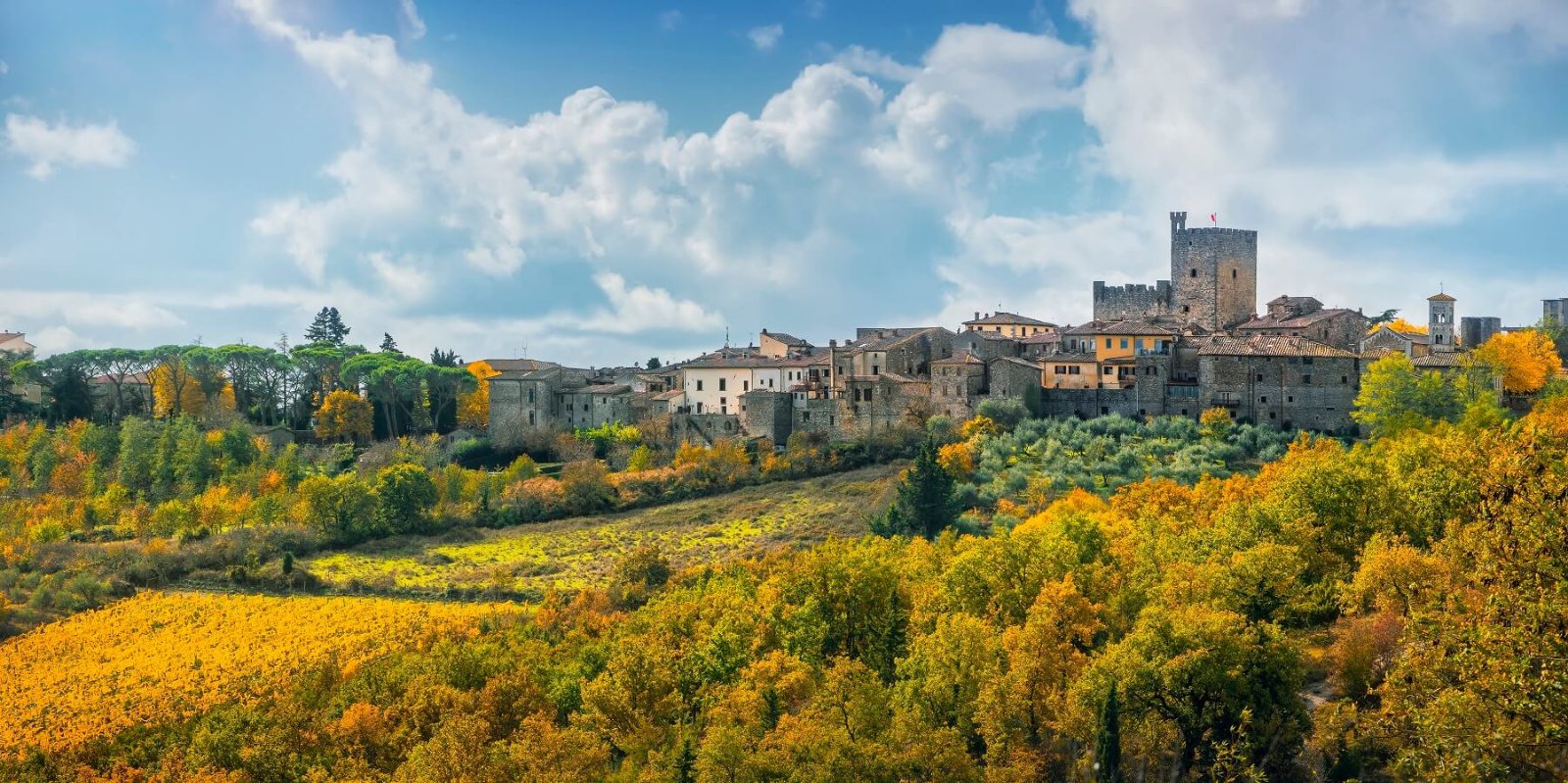
You leave Florence by 09:00, the bus climbing past Galluzzo and into the first folds of the Chianti hills. Cypress allées flank the roadside, and by the time you reach Greve the skyline has traded domes for vine rows.
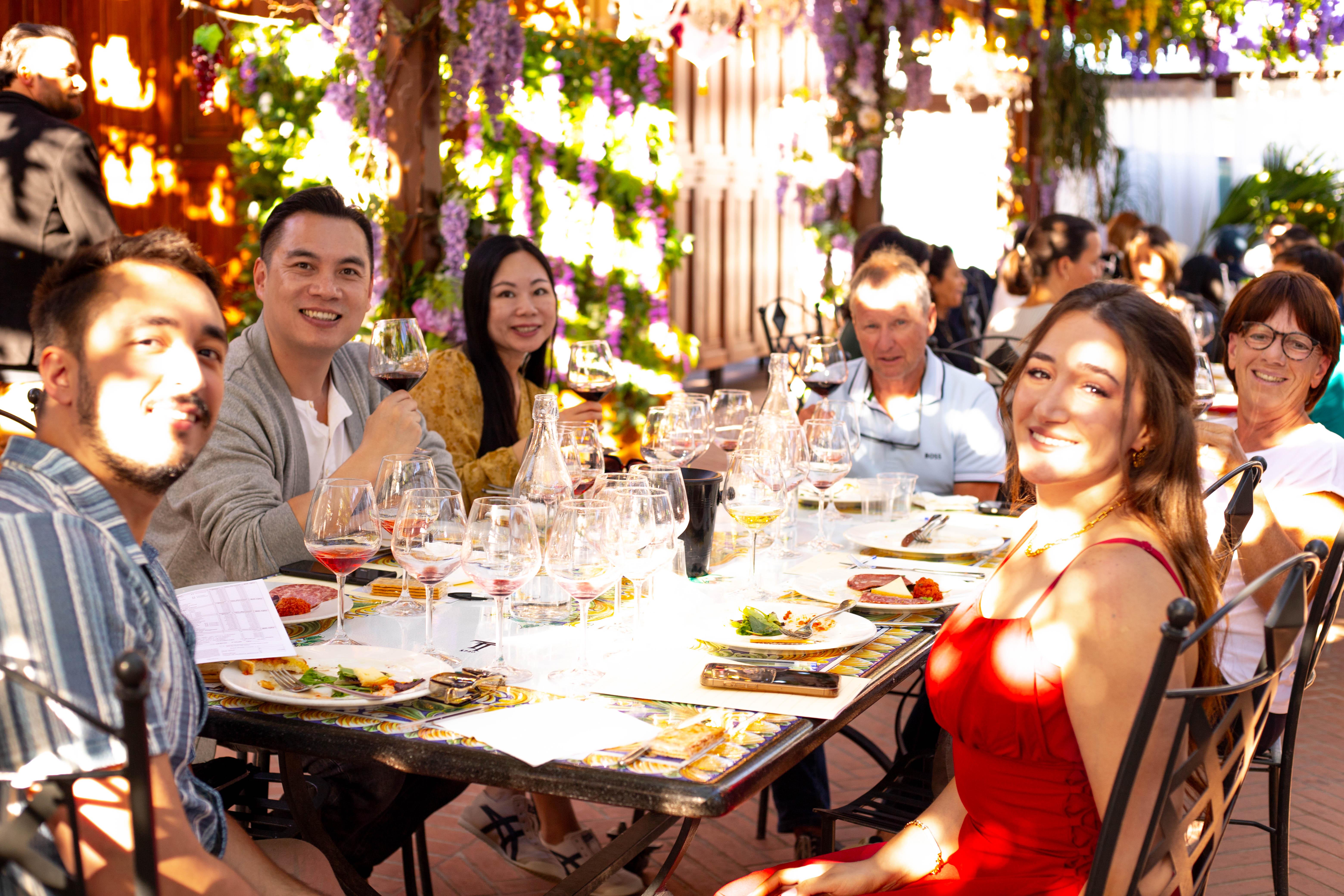
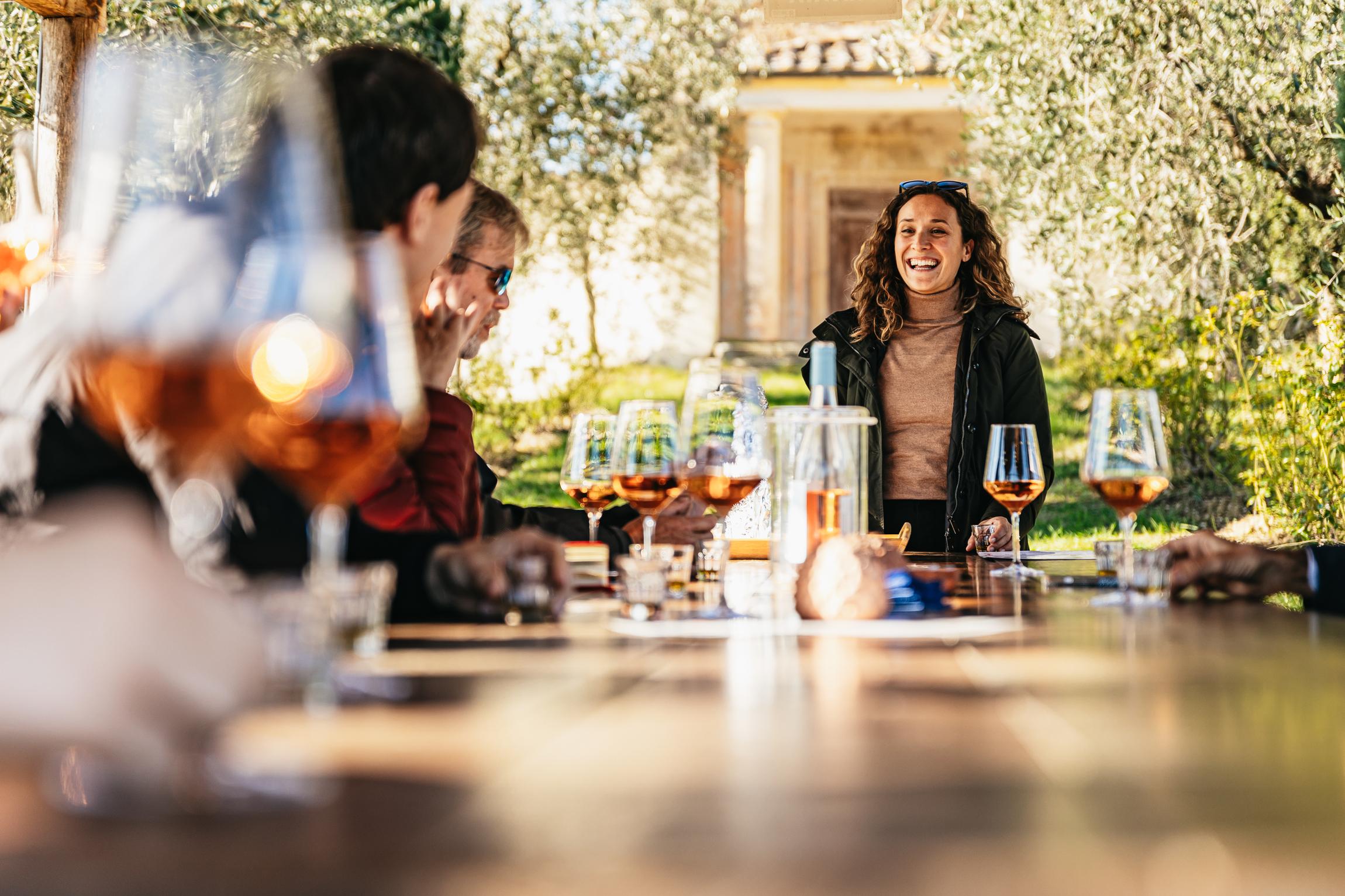
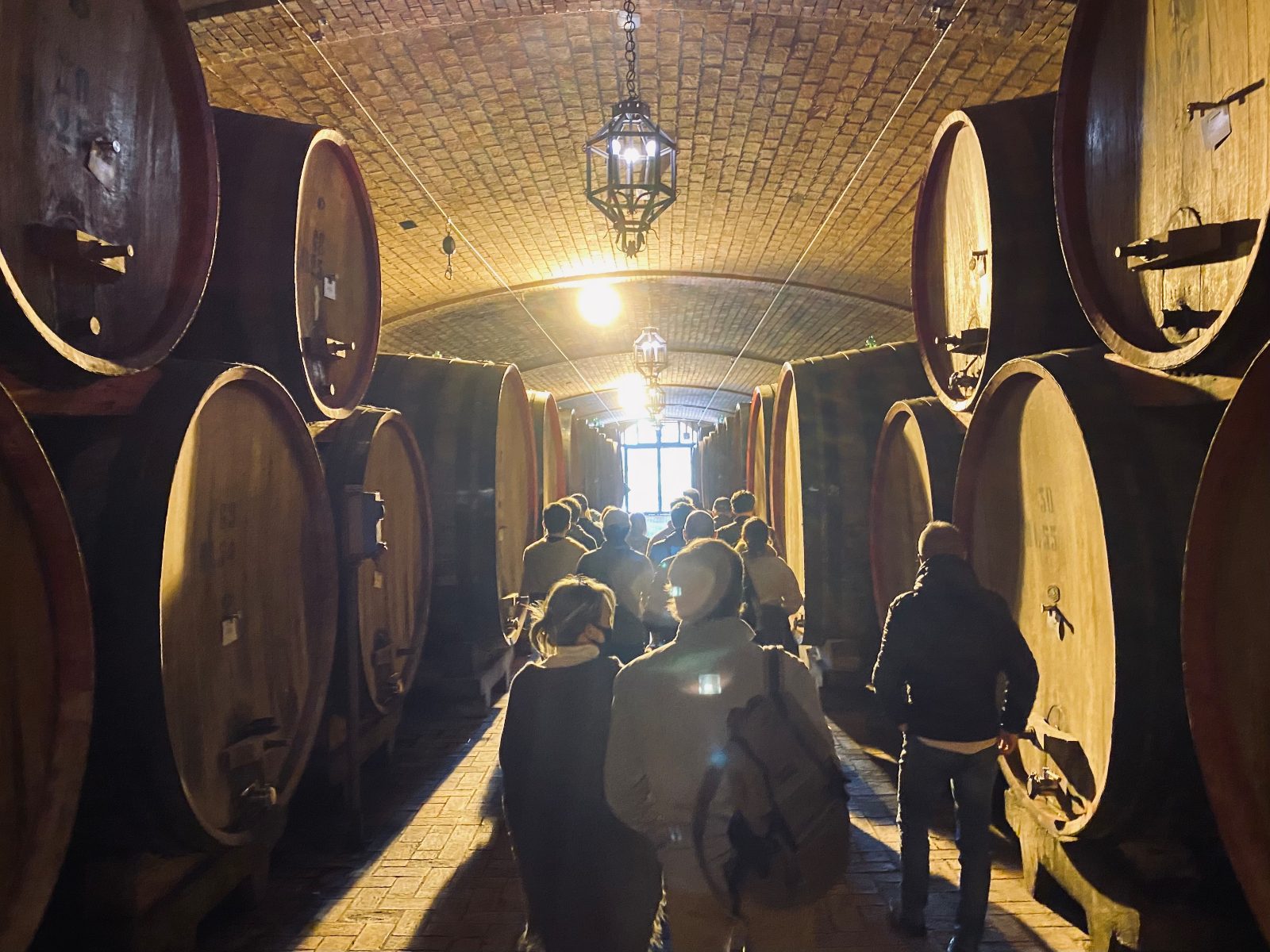
Your first stop is a family-run estate near Panzano: the guide leads you into a cantina where stainless-steel fermenters stand beside oak botti, and the tasting begins with a young Annata — bright cherry, a hint of violet — followed by a Riserva aged 24 months. You pair each pour with sliced pecorino, crostini neri, and bread dipped in the estate's own oil.
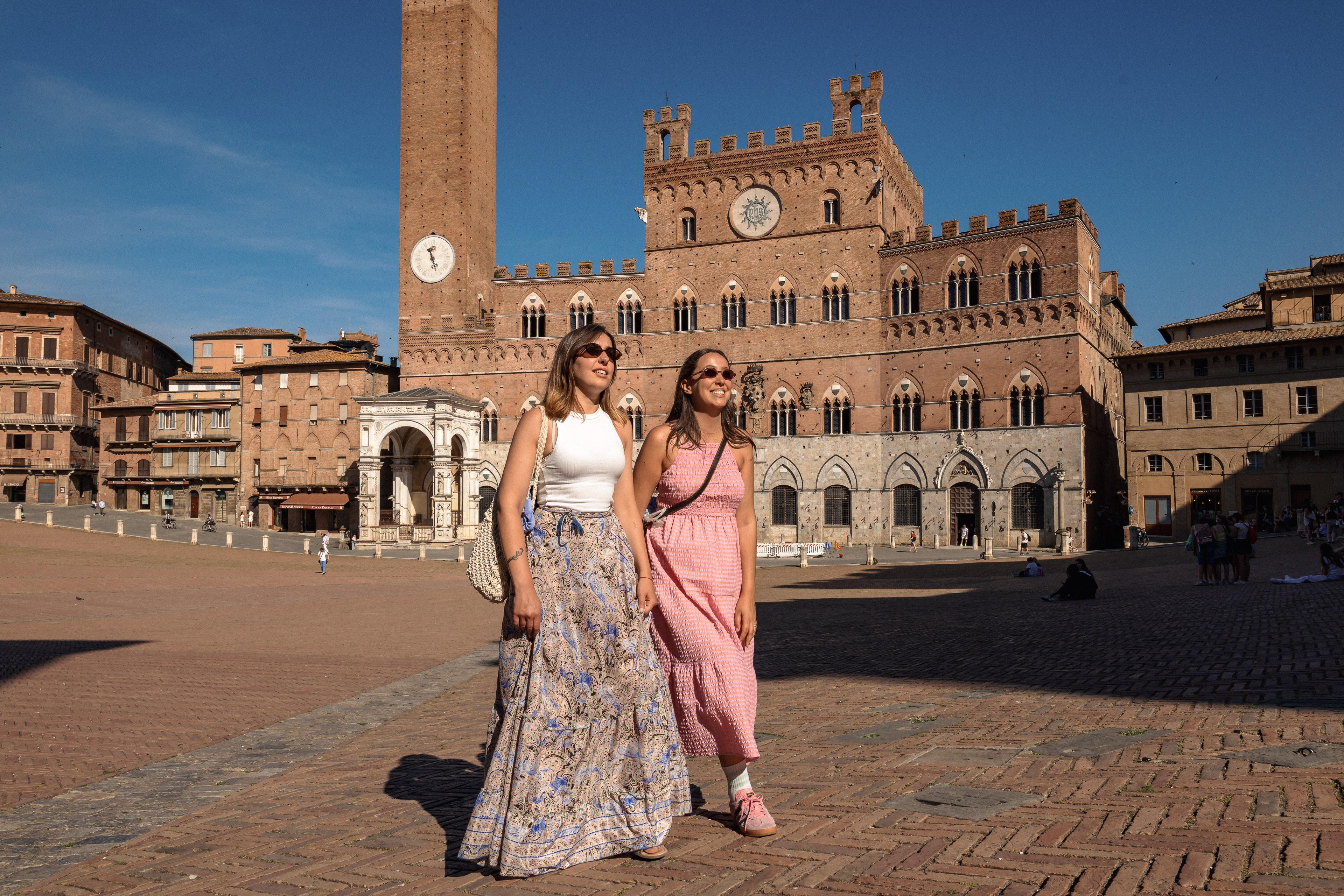
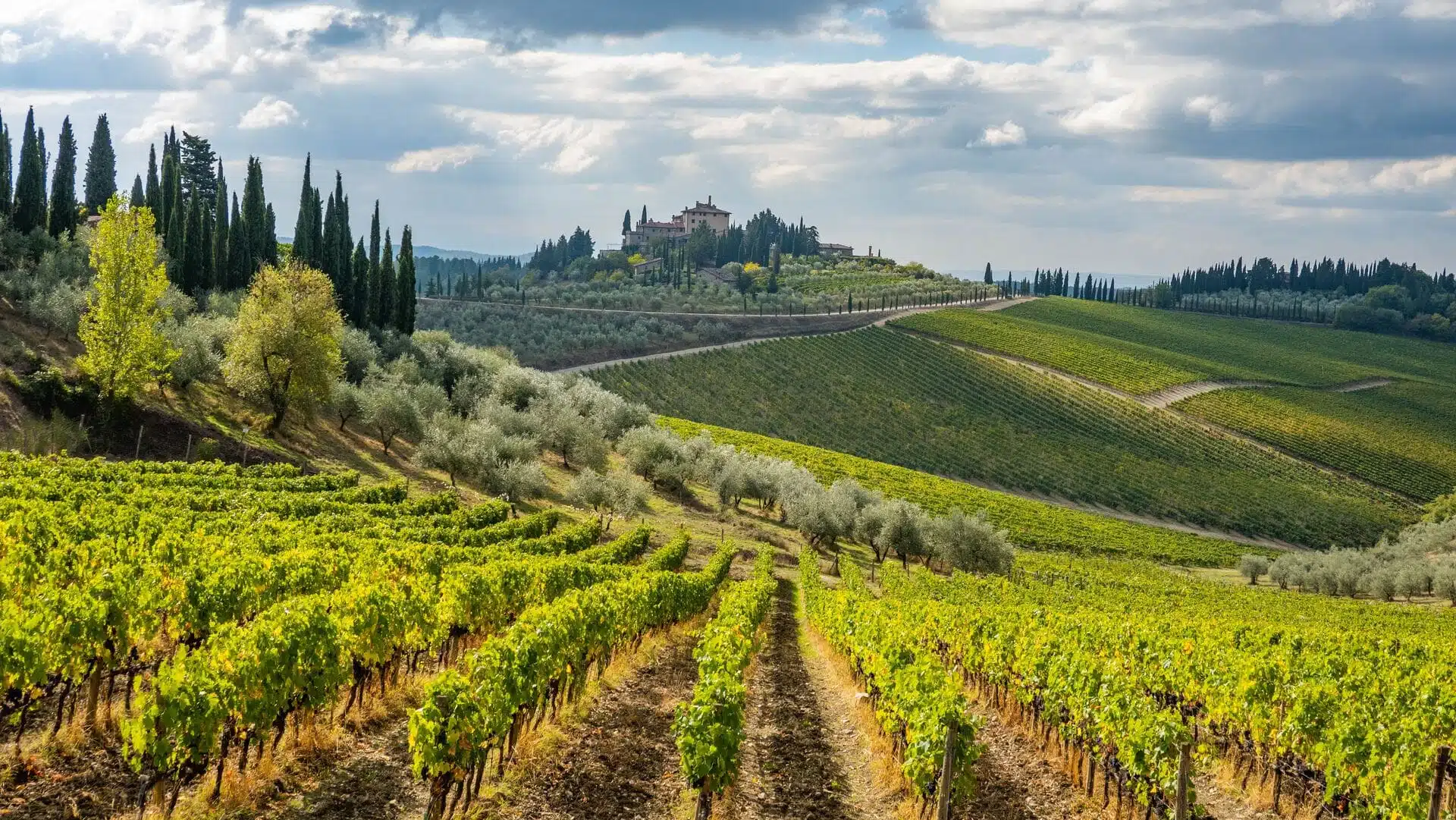
Mid-morning you drive deeper into the denominazione, stopping at a second winery perched above a valley of terraced sangiovese. The owner walks you through the vineyard, explaining galestro soil and the hand-harvesting protocol, then opens a Gran Selezione in the tasting room. Lunch is served outside: ribollita, pappardelle al cinghiale, cantucci with vin santo. The afternoon may include a hilltown — San Gimignano's fourteen towers, or Siena's shell-shaped campo — before the return leg to Florence by 18:00, the valley turning amber in the slant light.
All the details about your upcoming adventure in one place
The Chianti hills produce 8.4 million bottles of Classico annually, yet the region's viticultural identity was codified only in 1716 when Cosimo III de' Medici drew the first official boundaries.
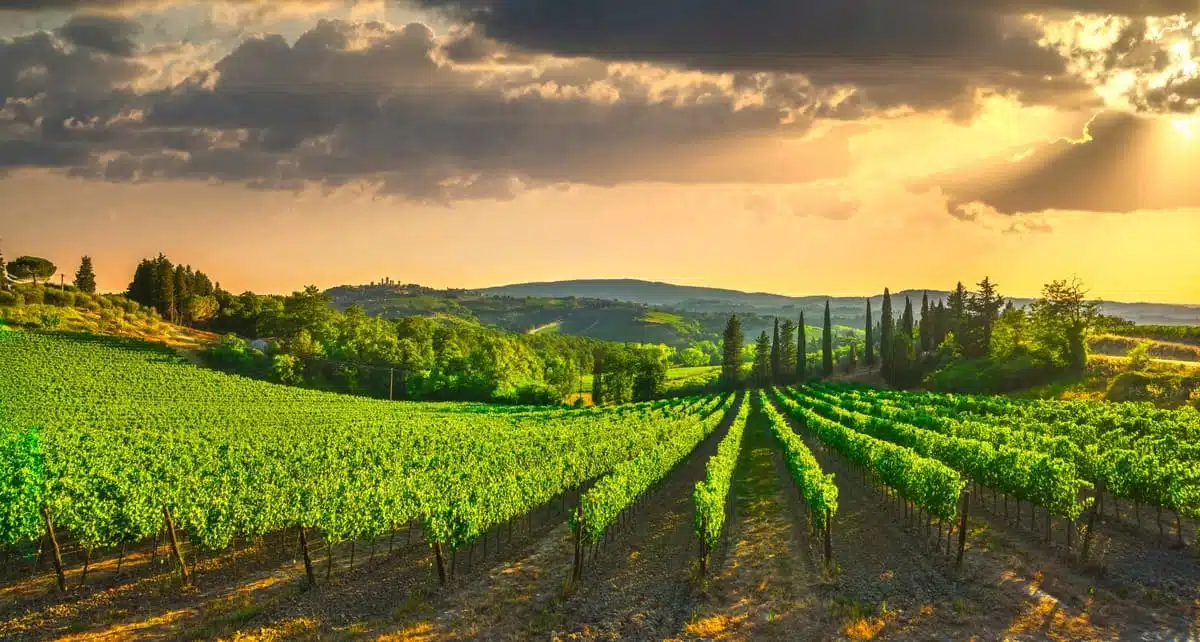
The black rooster seal — gallo nero — appears on every bottle, a medieval heraldic emblem that once marked territorial disputes between Florence and Siena. Today the denomination spans 70,000 hectares across the provinces of Florence and Siena, anchored by seven comuni including Greve, Radda, and Castellina. The landscape is a Tuscan archetype: terraced vineyards climb south-facing slopes, stone farmhouses shelter beneath umbrella pines, and Via Chiantigiana — the SR222 — threads through every postcard view.
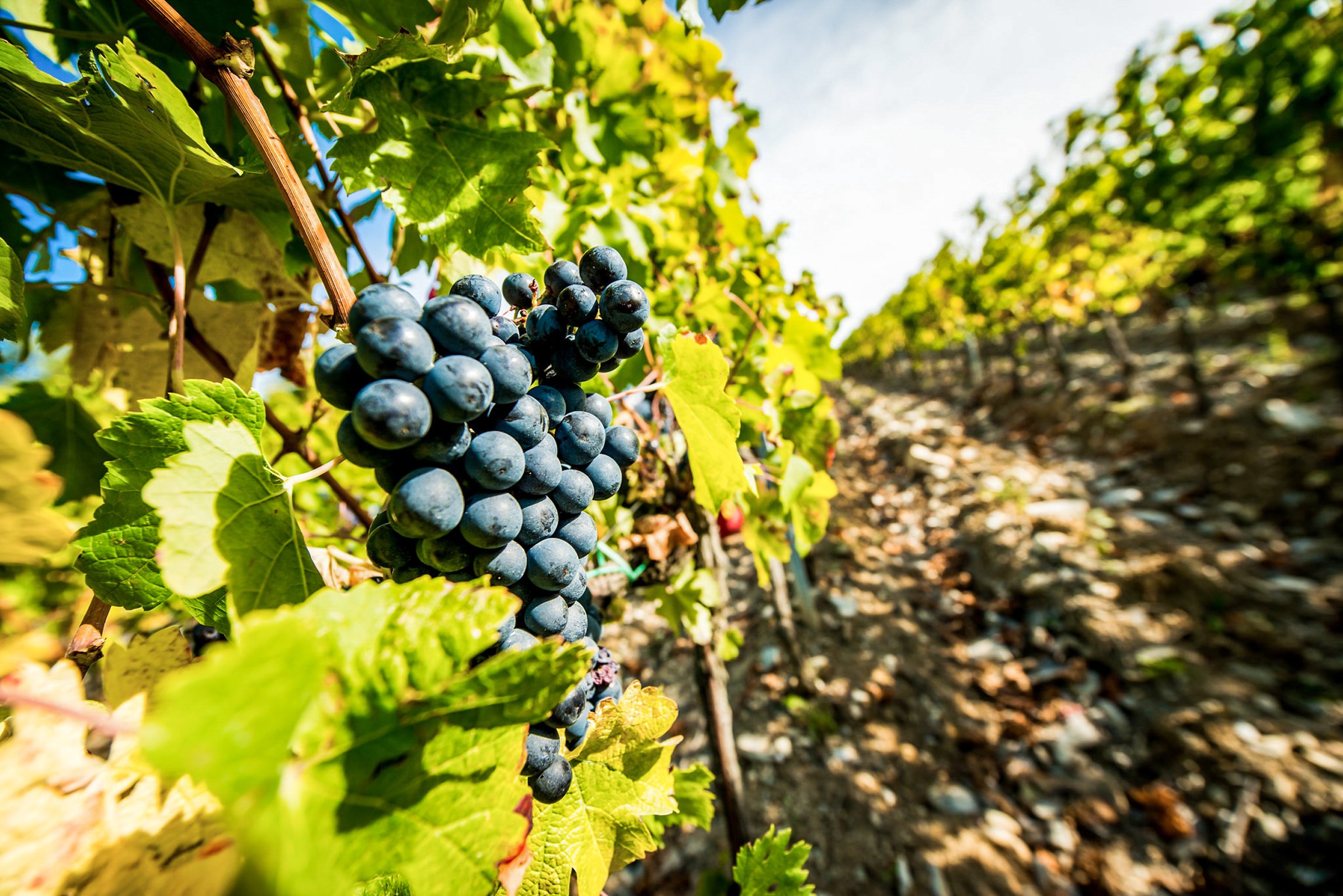
Sangiovese dominates the blend, accounting for 80 to 100 percent of Chianti Classico's composition, with Canaiolo and Colorino rounding out the balance. The soil is galestro, a crumbly schist that drains fast and stresses the vines just enough to concentrate flavor. Harvest runs from late September through October, and the region's 300 producers range from centuries-old estates like Castello di Brolio — rebuilt by Bettino Ricasoli in the 1840s — to boutique wineries that bottle fewer than 10,000 cases a year. The Consorzio Vino Chianti Classico enforces aging requirements: twelve months for Annata, 24 for Riserva, 30 for Gran Selezione. Tasting rooms open year-round, though autumn brings both harvest activity and the first pressing of new oil.
Florence sits 30 kilometers north of the Chianti heartland, making the journey a daylong circuit rather than a weekend escape. Most Chianti wine tour from Florence itineraries loop through Greve in Chianti — the region's de facto capital — and at least two estates, pairing barrel-room tastings with antipasti platters of pecorino, finocchiona, and olive oil pressed within sight of the vines. Some routes extend south to the towers of San Gimignano or the Piazza del Campo in Siena, folding medieval architecture into the wine narrative. The valley opens widest between Panzano and Radda, where ridgeline roads offer uninterrupted views of the Arno basin to the north and the Ombrone watershed to the south.

The black rooster seal appears on every bottle, a medieval emblem that once marked territorial disputes between Florence and Siena.
Casual and comfortable attire is recommended for your chianti wine tour from florence. Wear sturdy, flat shoes suitable for walking on gravel vineyard paths and uneven medieval village streets.
Keep belongings minimal during your chianti wine tour from florence. Small crossbody bags are preferred as large backpacks may be restricted inside historic wine cellars.
Photography is generally encouraged throughout your chianti wine tour from florence. Always ask your guide before taking photos inside private cellars or near active production machinery.
Families are welcome, though a chianti wine tour from florence is primarily focused on adult wine culture. Some providers offer non-alcoholic grape juice or child-friendly activities at specific estates.
While many historic wineries have stairs, several operators now offer accessible options for a chianti wine tour from florence. Please confirm specific mobility requirements with your provider at the time of booking.
Professional tours include tastings and often lunch; however, outside food and drink are generally not permitted during hosted tastings on a chianti wine tour from florence. Always inform your operator of allergies beforehand.
Operating Hours
09:00–18:00
Address
Chianti Region, Tuscany, Italy
Arrival Recommendation
09:00–11:00
Peak Heat Warning
Avoid midday sun
Storage
Not available
Official Site
visittuscany.com/en/areas/chianti/
Most operators allow full refunds for a chianti wine tour from florence if canceled at least 24 hours in advance. Entrance fees to specific wineries are often non-refundable if bundled into the tour price.
Recommended time
6-8 hours
A typical chianti wine tour from florence requires a full day to properly experience the rolling hills and vineyards of this region. Early departures are recommended to secure your spot for vineyard tastings and cellar tours before the afternoon heat increases. While chianti wine tour from florence tickets often include transportation, adding extra time allows for a more relaxed pace through the tuscan countryside. Most travelers find that chianti wine tour from florence tours are most enjoyable when avoiding the peak mid-day congestion at major estates.
Crowd levels through the day
The hills between Florence and Siena cultivated vines long before any formal appellation existed. Etruscan settlers planted grapes in these limestone soils by the seventh century BCE, and Roman agronomists later documented the region's suitability for viticulture. Medieval records show that by the thirteenth century, the League of Chianti—a military alliance of three villages, Radda, Gaiole, and Castellina—gave the territory its name. The black rooster emblem, adopted as the league's symbol, still marks authentic Chianti Classico bottles today. In 1716, Cosimo III de' Medici issued an edict that defined the boundaries of four Tuscan wine zones, including Chianti. This decree represents one of Europe's earliest attempts to protect wine origin through legal geography. The document specified which communes could label their product as Chianti, establishing a precedent for modern controlled appellations. Baron Bettino Ricasoli, who inherited Brolio Castle in 1829, spent decades experimenting with grape varieties and fermentation methods. His formula—primarily Sangiovese with additions of Canaiolo and Malvasia—became the standard Chianti blend by the 1870s. Ricasoli served twice as Prime Minister of Italy, but his viticultural legacy outlasted his political career. The twentieth century brought mechanization and a flood of low-quality wine sold in straw-covered fiaschi bottles. By the 1960s, Chianti had become synonymous with cheap table wine in foreign markets. A group of producers formed the Chianti Classico Consorzio in 1924, revived with stricter standards in 1987, to separate premium wines from bulk production. The 1996 regulations elevated Chianti Classico to DOCG status and required 80 percent minimum Sangiovese content. Modern chianti wine tour from florence itineraries visit estates that replanted vineyards, reduced yields, and invested in temperature-controlled cellars during this quality revolution. The transformation from mass-market commodity to respected appellation required five decades of discipline, but today's Chianti Classico commands international recognition that would have seemed impossible in 1970.
Etruscan settlers plant the first vineyards in the hills between Florence and Siena, cultivating native grape varieties in limestone-rich soil.
The League of Chianti, a military alliance of Radda, Gaiole, and Castellina, adopts the black rooster symbol that later becomes the Chianti Classico emblem.
Grand Duke Cosimo III de' Medici issues an edict defining the legal boundaries of Chianti and three other Tuscan wine zones, creating Europe's first origin-protected appellations.
Baron Bettino Ricasoli perfects the Chianti formula at Brolio Castle, establishing Sangiovese as the dominant grape with Canaiolo and Malvasia additions.
Chianti producers form the Consorzio del Gallo Nero to protect quality standards and distinguish premium wines from bulk production flooding the market.
Overproduction and cheap fiasco bottles damage Chianti's reputation abroad, prompting a subset of estates to pursue quality-focused viticulture reforms.
Chianti Classico achieves DOCG status under new regulations requiring 80 percent Sangiovese and stricter yield limits, marking the appellation's modern renaissance.
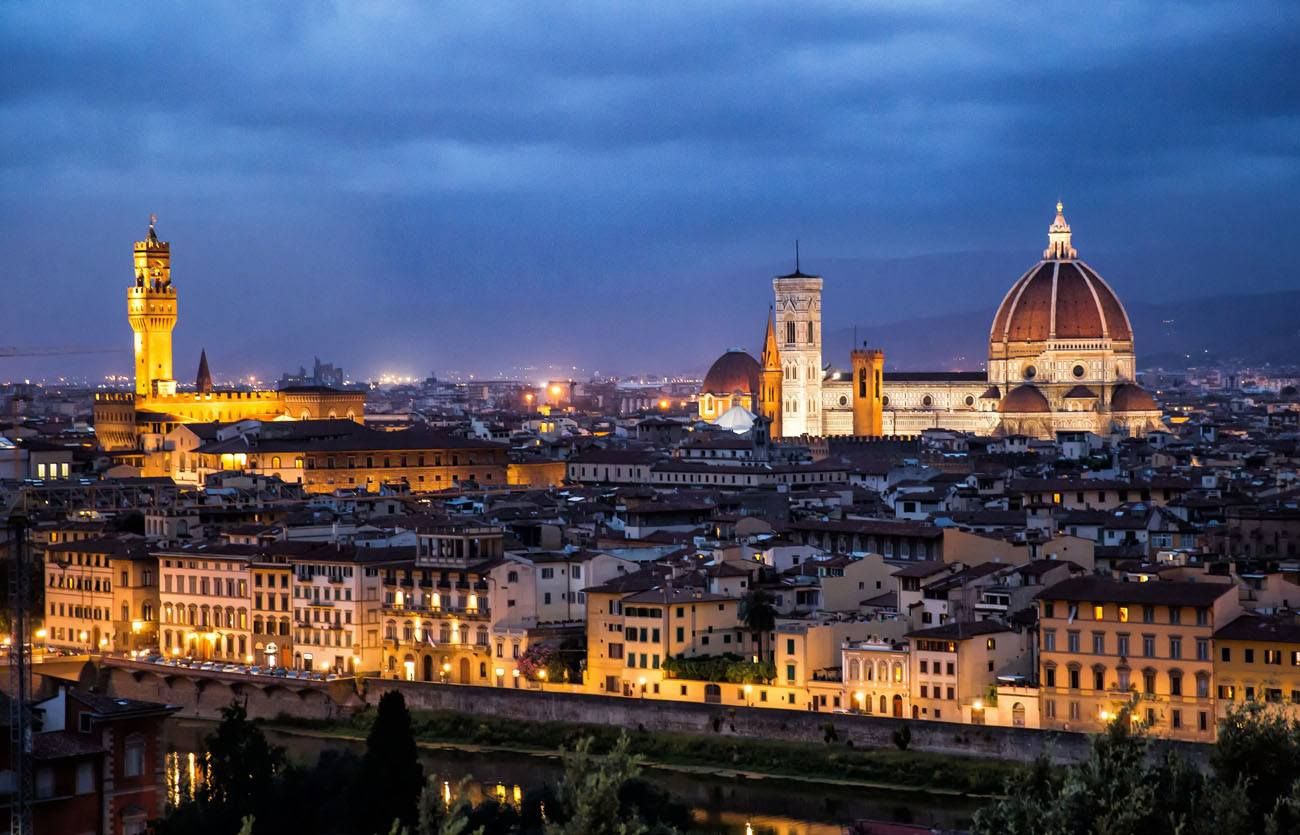
Capture the sweeping skyline of Florence before heading south; stand at the balustrade overlooking the Arno river for a clear shot of the cathedral dome. This is a common starting point for a chianti wine tour from florence tours.
This location offers a wide perspective of the surrounding cypress-lined hills and manicured gardens. Position yourself on the lower stone ramparts to frame the vineyard rows against the historic architecture during your chianti wine tour from florence.
Focus your lens on the unique triangular shape of this historic market square surrounded by arched porticos. It provides an authentic setting for your chianti wine tour from florence tickets collection.
Shoot the geometric cypress alley leading to this ancient monastery for a classic Tuscan composition. Access is available from the main road bordering the estate during a professional chianti wine tour from florence tour.
Planning a chianti wine tour from florence with family can be a rewarding way to see the rolling vineyards, though it requires extra preparation to ensure little ones stay engaged. Opting for private transportation often provides the flexibility needed to keep the day comfortable for travelers of all ages.
While a standard chianti wine tour from florence tour may last several hours, prioritize private itineraries to allow for frequent breaks and to keep young travelers from tiring out during the transit.
Most historic estates have uneven terrain or stairs, so use a carrier for infants instead of a stroller, as this experience is not accessible for prams.
Older children may find interest in touring the cellar and learning about winemaking, while younger ones benefit from outdoor space to walk around during vineyard visits.
Always carry a portable changing mat and supplies, as dedicated baby-change facilities are rarely available on tour vehicles or at remote countryside wineries.
Many local estates offer casual outdoor spaces, but pack snacks for the road since standard winery schedules are built around tasting sessions rather than child-centric mealtimes.
Families should secure chianti wine tour from florence tickets in advance, specifically checking if the provider allows infants or children on their group trips before booking.
Visitors embarking on a chianti wine tour from florence often find the best culinary experiences by balancing winery lunches with independent visits to hilltop trattorias. While many estates provide curated farm-to-table pairings, seeking out local villages allows for a deeper exploration of Tuscan terroir and rustic regional specialties.
Famous for its traditional butchery techniques and open-fire grilling, this spot offers a convivial atmosphere perfect for meat lovers. Reservations are highly recommended for those planning their chianti wine tour from florence tours through the heart of the region.
Nestled among rolling vineyards, this restaurant serves classic pasta dishes made with seasonal ingredients. It provides a quiet setting for guests holding chianti wine tour from florence tickets to enjoy authentic regional flavors.
Located in the center of Greve, this establishment is ideal for a quick artisanal panini or local cheese board. It remains a convenient stop for travelers looking to maximize their time before their next chianti wine tour from florence tour departure.
Everything you need to know for your journey
The best arrival window for your chianti wine tour from florence is 09:00–11:00 to avoid bus crowds. This also helps you beat the afternoon heat in the vineyards.
Yes, children are welcome on many tours, though the focus is on wine. Please check if your operator for a chianti wine tour from florence offers youth-friendly alternatives.
Yes, booking your chianti wine tour from florence tickets in advance is highly recommended, especially during the harvest season. High-demand private tours sell out quickly.
Most tours include transport from central Florence, which is standard for a professional chianti wine tour from florence. Always verify pickup points in your booking details.
Yes, you can easily combine your chianti wine tour from florence with visits to Greve in Chianti or the medieval Monteriggioni. These are quintessential Tuscany landmarks.
Dress comfortably for your chianti wine tour from florence, opting for layers and flat, supportive footwear for walking on uneven vineyard terrain.
Chianti is a region, so there is 0 EUR entrance fee; individual wineries set their own tasting fees. Always clarify what is included in your chianti wine tour from florence booking.
A full-day chianti wine tour from florence typically lasts 6 to 8 hours, including travel time. Half-day options are also available.
Yes, most providers offer full refunds if you cancel your chianti wine tour from florence at least 24 hours in advance. Always confirm the specific operator's policy.
Join thousands of happy travelers who have discovered this incredible experience
Book Your Experience Now