12 hr
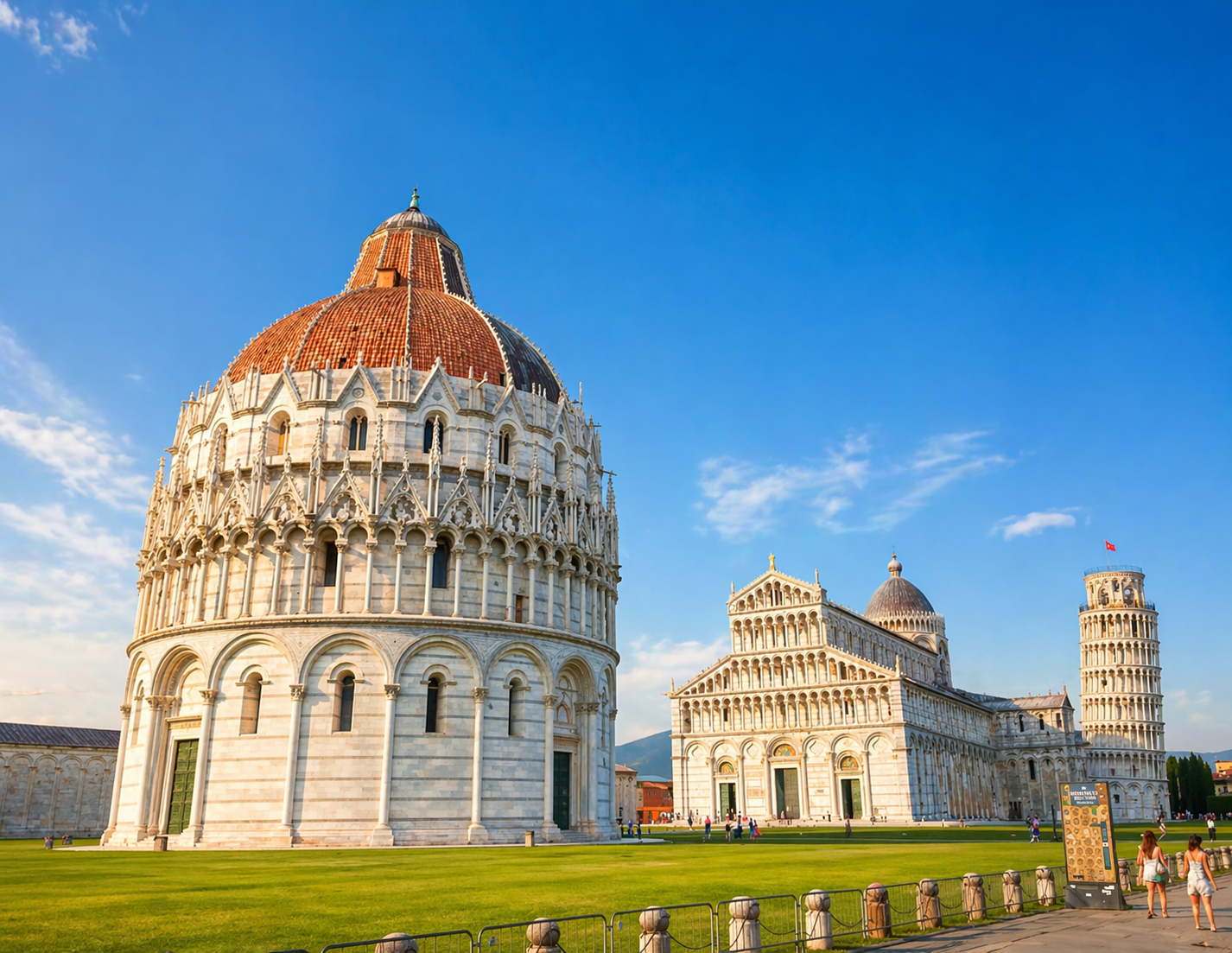
Siena, San Gimignano & Pisa Day Trip with Chianti Winery Lunch
- Expert local guide
- Small group
- Skip-the-line access
- Free cancellation
Chianti Wine Tour From Siena — Vineyard Estates & Tuscan Lunch
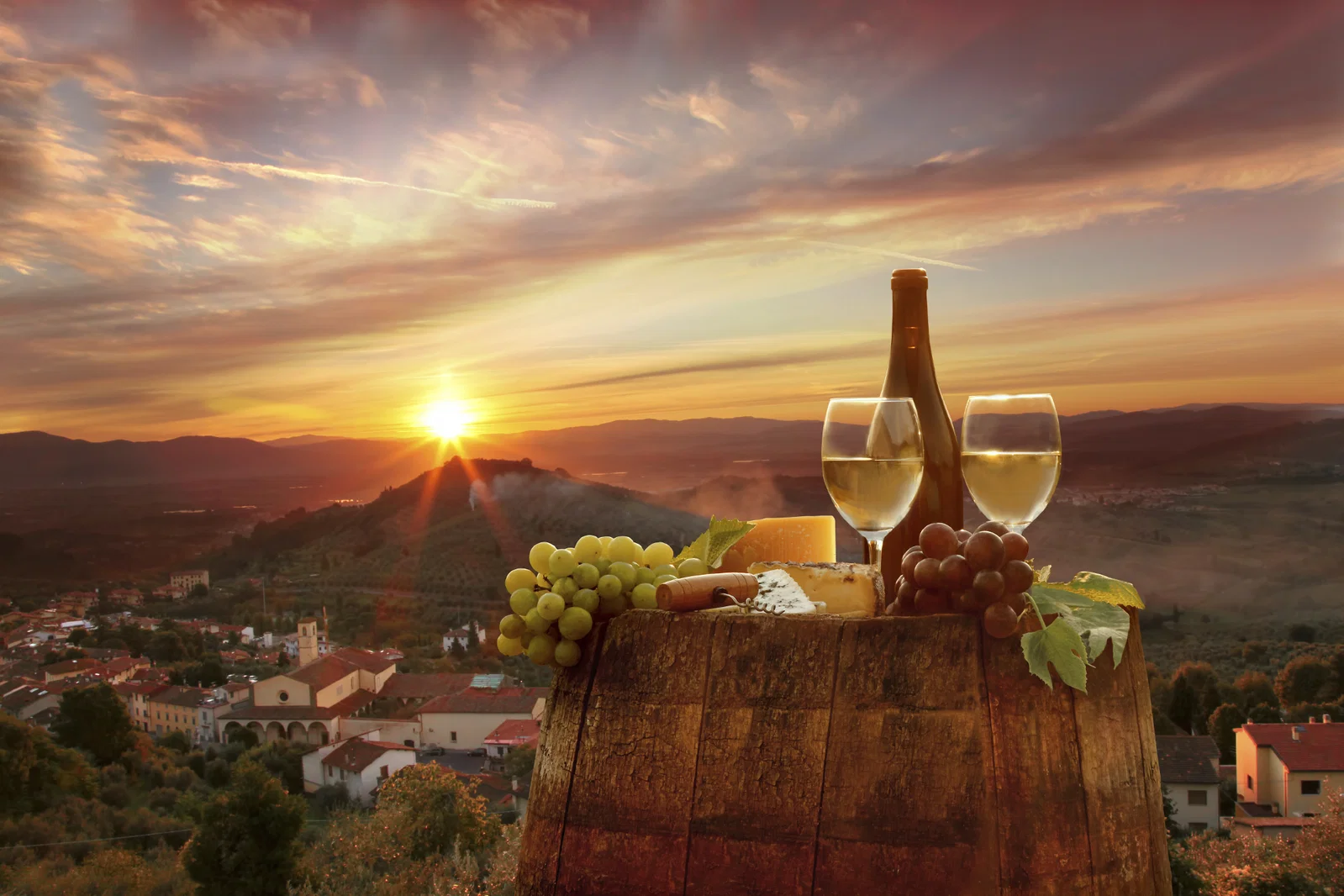
Rolling vineyards meet medieval castles, every glass a piece of the landscape
Compare fares, pick the fit — all bookings are mobile-voucher and eligible for free cancellation where shown.
12 hr
11 hr
5 hr
| Experience | Duration | Rating | Transfers | Lunch | Small group | Free cancel. | Price | |
|---|---|---|---|---|---|---|---|---|
|
Guided Experience
Most popular
Siena, San Gimignano & Pisa Day Trip with Chianti Winery Lunch
|
12 hr | ★ 4.8 | — | ✓ | ✓ | ✓ | $157 | Book → |
|
Guided Experience
Tuscany Full-Day: San Gimignano, Siena & Chianti Wine Tour
|
11 hr | ★ 4.6 | ✓ | ✓ | ✓ | ✓ | €79 | Book → |
|
Standard Entry
Chianti Wine & Castles Tour from Siena
|
5 hr | ★ 4.6 | ✓ | — | ✓ | ✓ | $99 | Book → |
Worth it for wine lovers seeking authentic Tuscan terroir
A chianti wine tour from siena delivers genuine value if you prioritize vineyard access and tasting quality over sightseeing volume. Full-day tours typically include two to three estate visits with cellars, barrel rooms, and multi-course lunches paired with Chianti Classico DOCG wines—experiences nearly impossible to arrange independently without a car. The rolling hillside vineyards, medieval castles, and small-batch producers define the region's appeal. Tours range from focused wine-country escapes to combination itineraries that add San Gimignano or Val d'Orcia. The trade-off: you spend four to six hours on wine education and leisurely meals, leaving limited time for exploring Siena itself. Skip if you prefer urban landmarks over rural tasting rooms, but for anyone who values sommelier-led instruction and direct producer access, chianti wine tour from siena tickets justify the spend through curated cellar access you cannot replicate solo.
Bottom line: Book a Chianti wine tour if tasting Super Tuscans in their barrel-aging cellars matters more to you than cramming multiple Tuscan towns into one day.
They complement each other; most visitors who do both call the Val d'Orcia tour the more thrilling for its expansive landscapes, while a chianti wine tour from siena offers a deeper dive into classic viticulture.
|
Top pick Chianti Wine Tour |
Val d'Orcia Tour | |
|---|---|---|
| Primary focus | Wine cellars and vineyards | |
| Landscape type | Rolling hills and forests | |
| Top attractions | Greve and Radda villages | |
| Typical duration | 6–8 hours | |
| Avg. price | 90–150 EUR (summer) | |
| Best for | Wine enthusiasts and history lovers | |
| See tickets & prices |
Verdict: Choose the chianti wine tour from siena for a traditional, wine-focused experience, or opt for a Val d'Orcia tour if you prioritize iconic Tuscan vistas and cinematic scenery.
Hand-picked experiences loved by thousands of travelers
10 hours
Free Cancellation
Discover hilltop villages, taste legendary Brunello and Nobile wines, and savor authentic Tuscan flavors
5-9 hours
Free Cancellation
Escape to Chianti's vineyards for wine tastings, a traditional meal, and hill town exploring
3 hours
Free Cancellation
Explore a family winery in Chianti with vineyard walks, cellar tours, and a four-course Tuscan meal
9 hours
Free Cancellation
Discover Tuscan vineyards, medieval towers, and authentic cuisine on this sunset journey through Chianti
6 hours
Free Cancellation
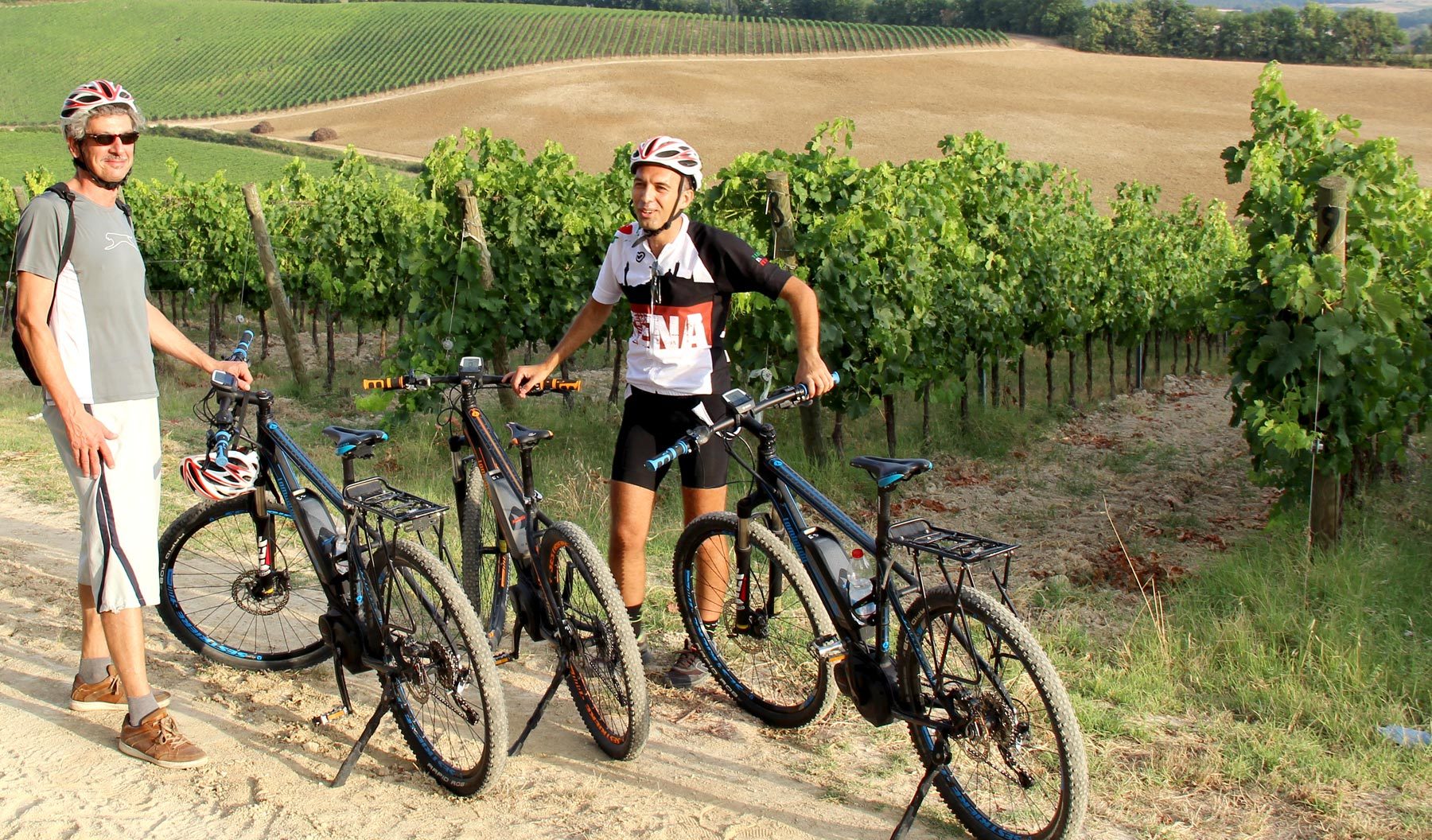
Pedal through Tuscany's famous wine country on an electric bike, ending with authentic farm cuisine
5 hours
Free Cancellation
Discover Tuscany's celebrated wine region on a half-day escape through hillside vineyards and historic estates
8 hours
Free Cancellation
Journey through rolling vineyards, tour historic cellars, and savor Chianti wines with authentic Tuscan cuisine
12.5 hours
Free Cancellation
Full-day journey through Tuscany's most beloved destinations with wine tasting and traditional lunch
Board transport for the chianti wine tour from siena
Guided exploration of local Tuscan vines
Education on Chianti Classico production
Sample regional wines with local guides
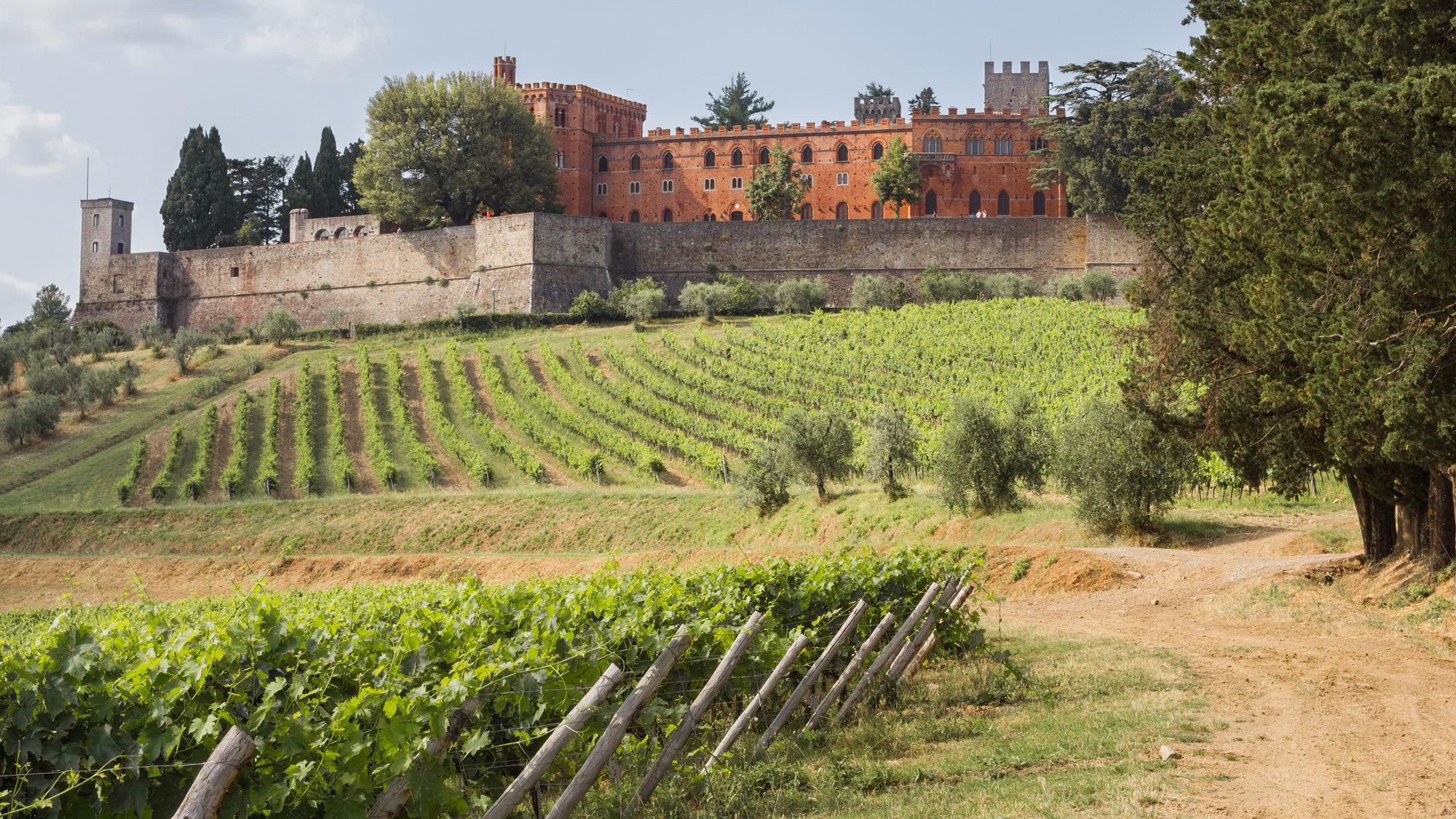
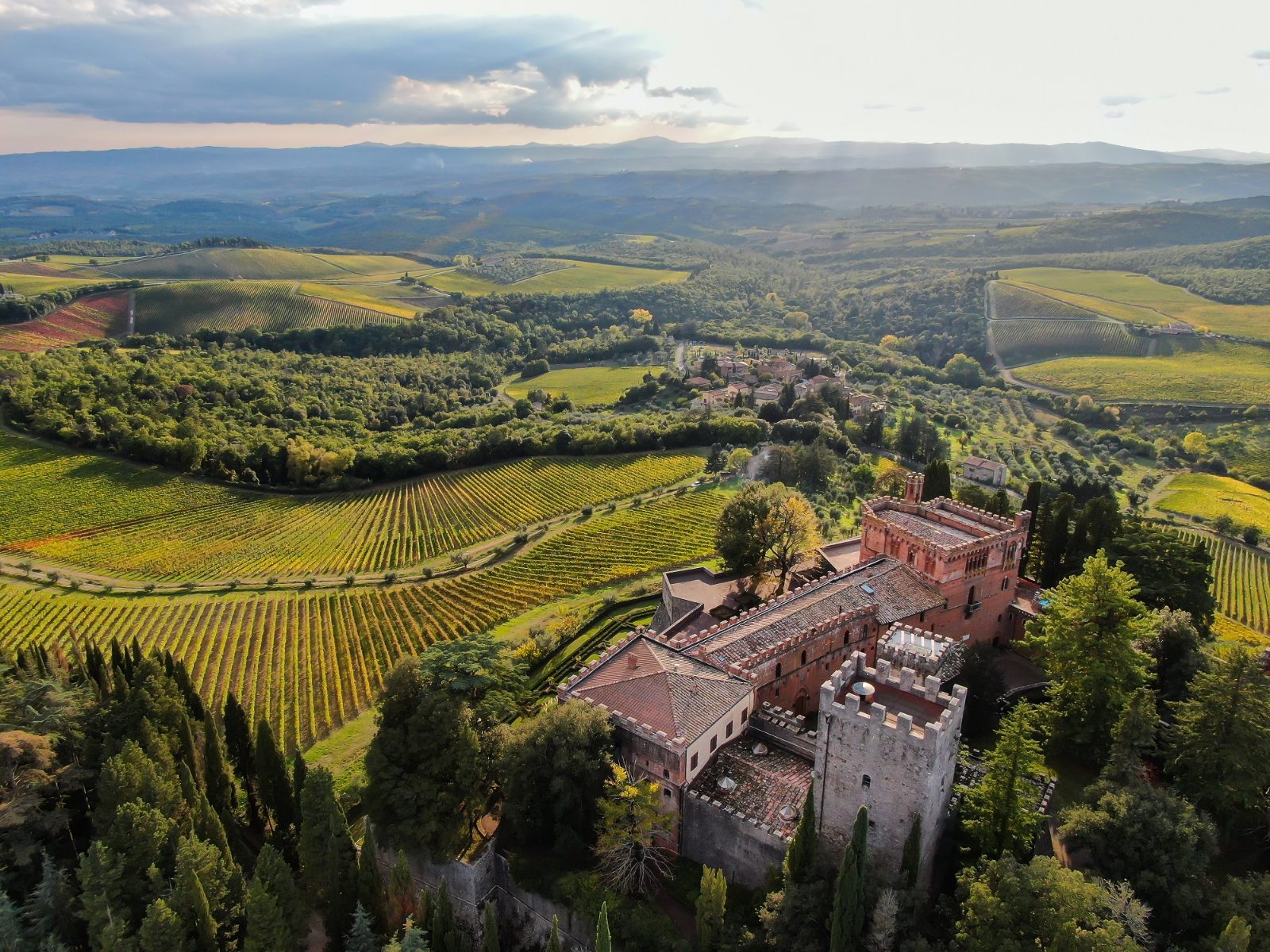
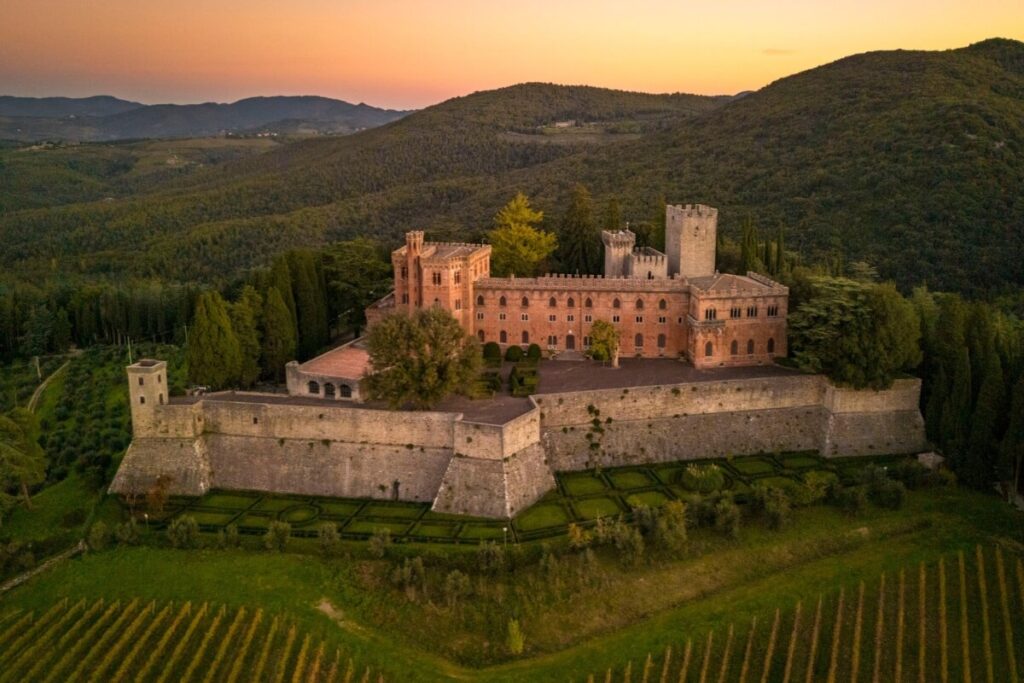
This site is famous for the development of the original Chianti recipe. It features expansive grounds and a historic castle structure.
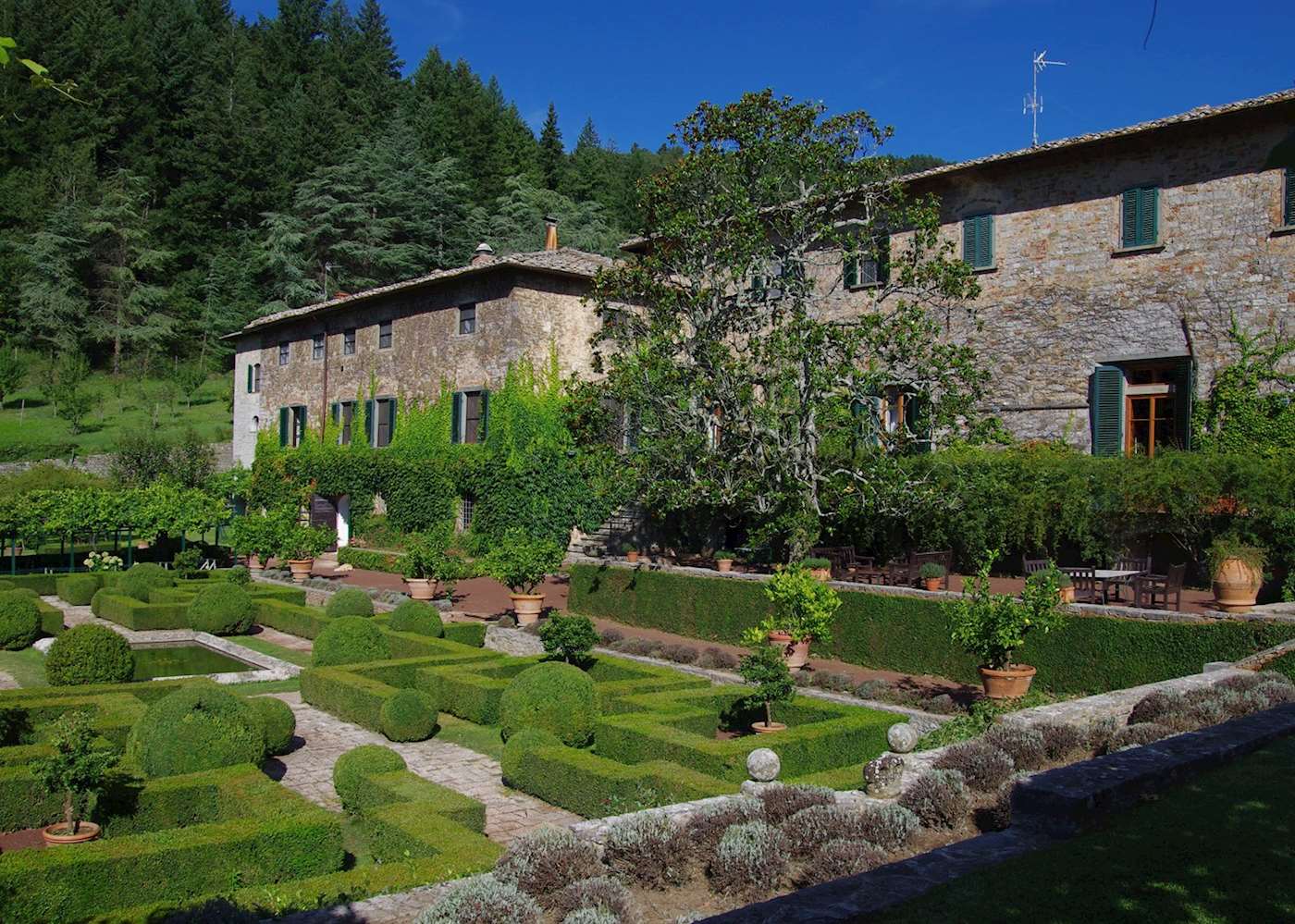
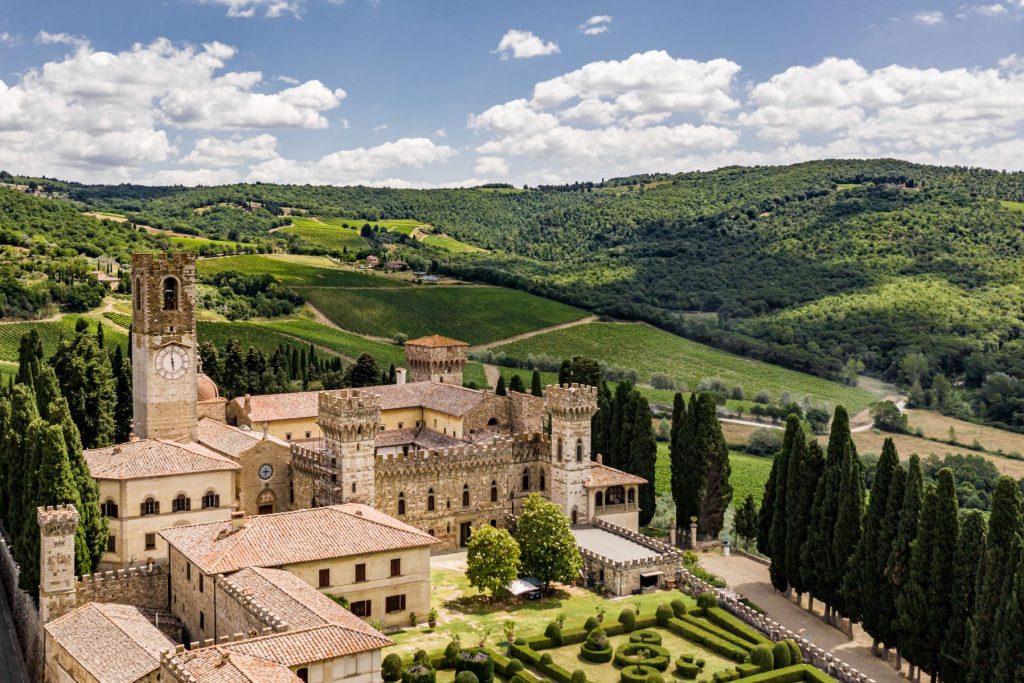
This historic former monastery now hosts traditional wine production within its ancient walls. The site reflects 1,000 years of agricultural history.
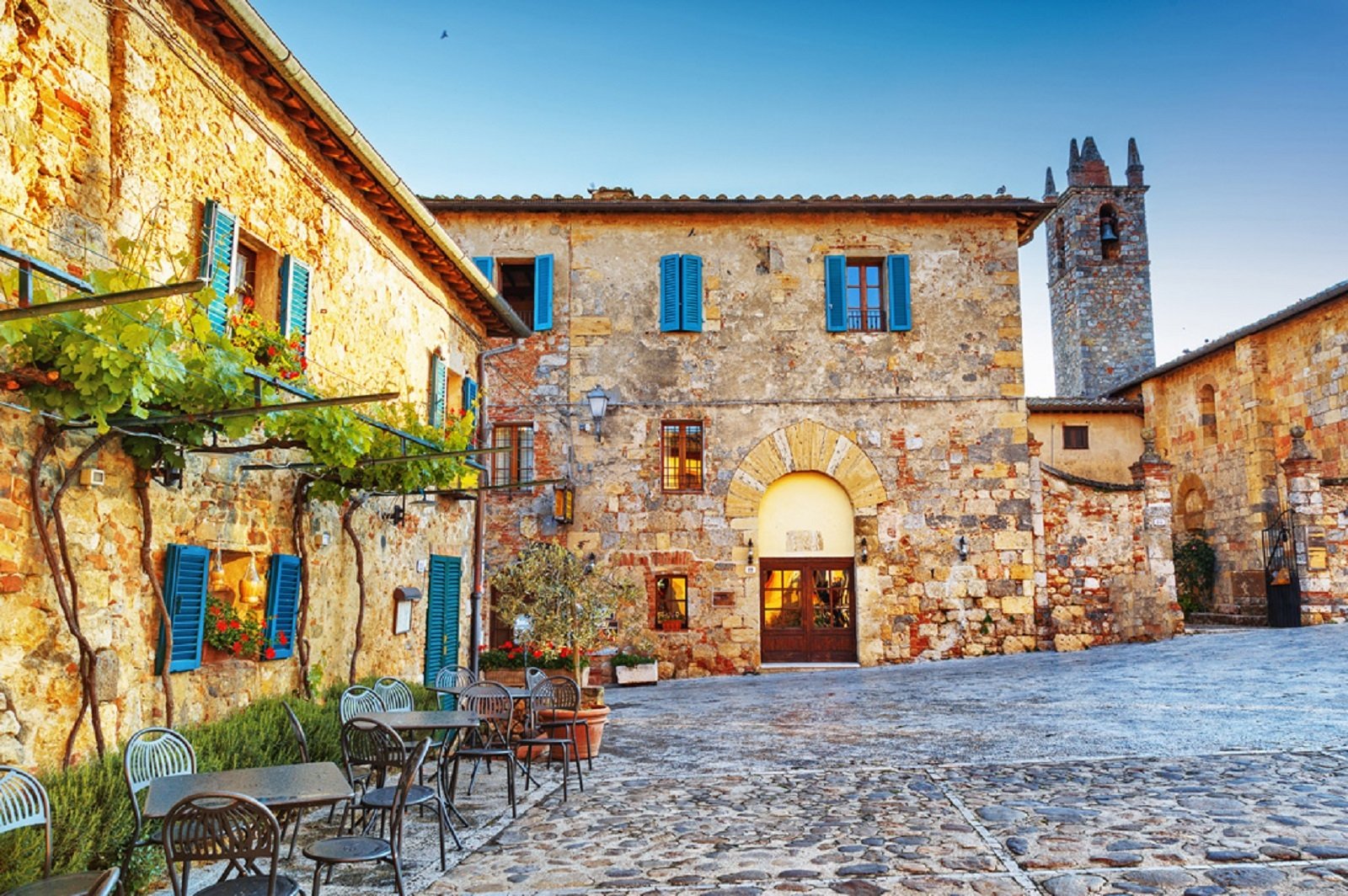
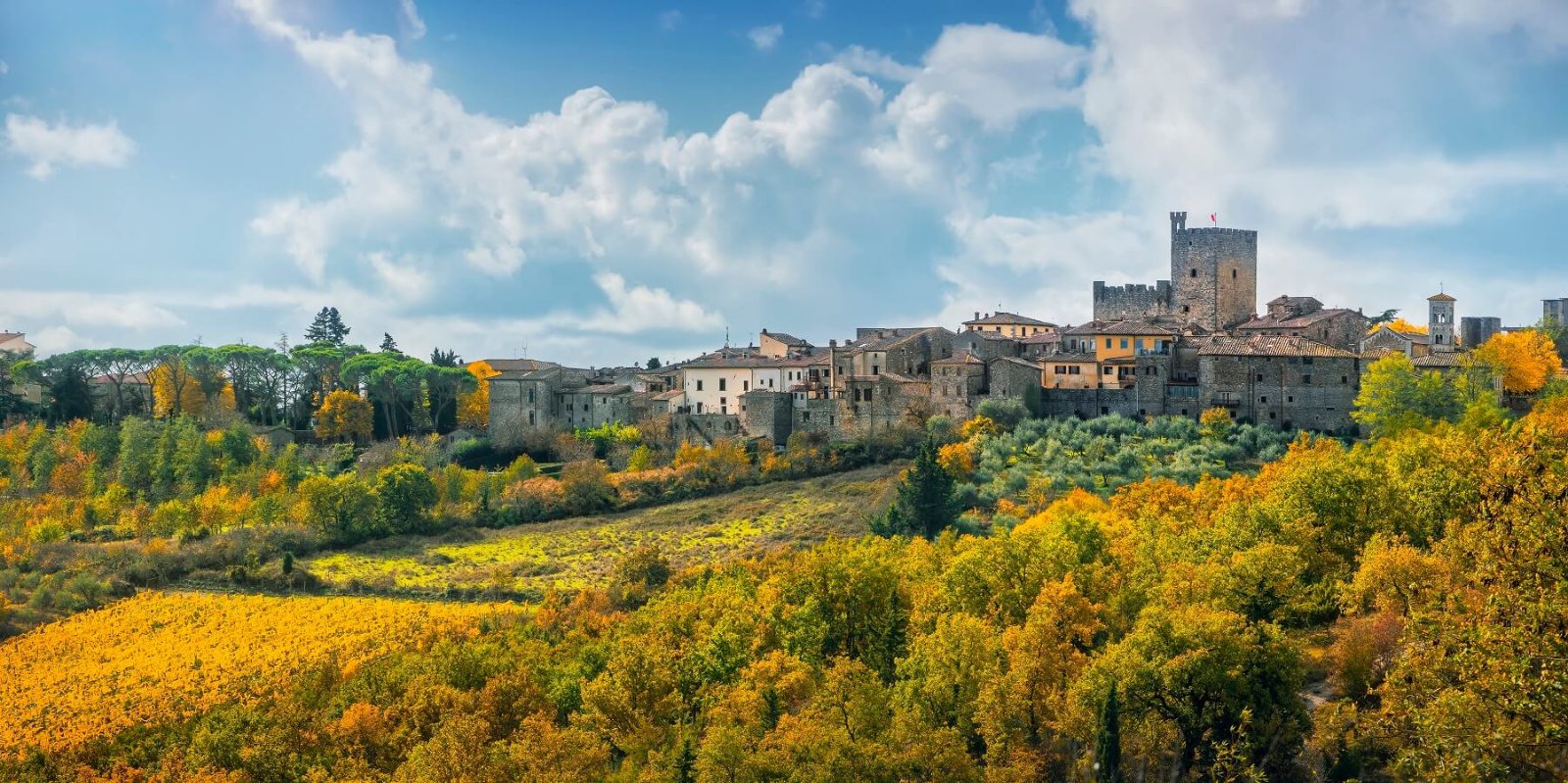
This fortified hilltop town is known for its underground tunnels. It serves as a central hub for exploring the broader Chianti region.
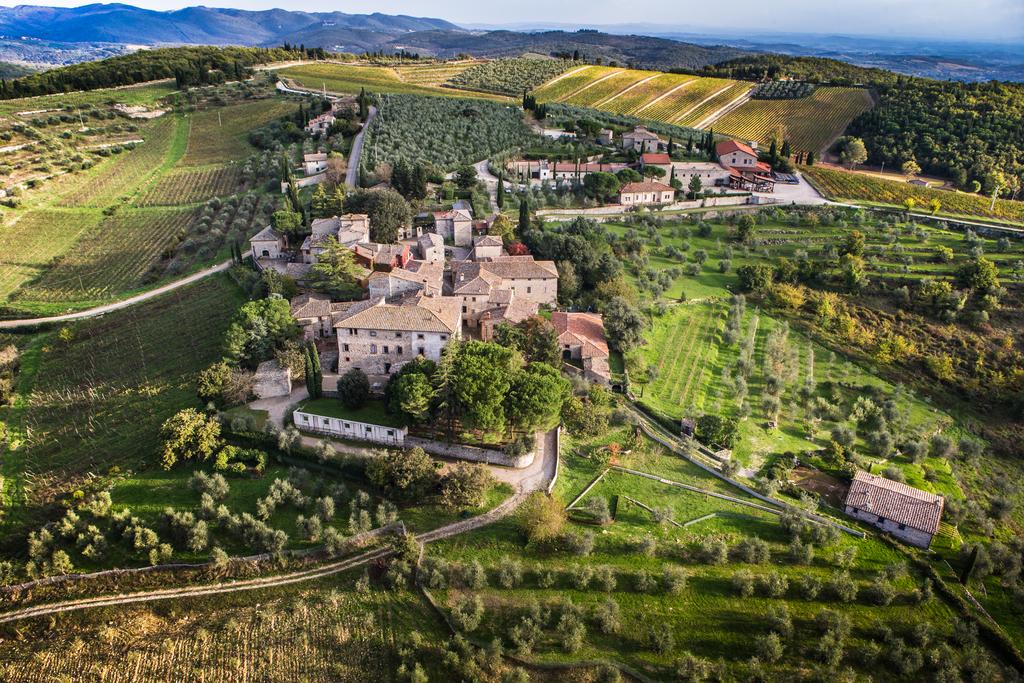
This area is surrounded by numerous feudal fortresses. It offers insight into the defensive architecture of the region.
You leave Siena's Porta Romana by nine, the coach climbing into hills where olive groves yield to vine rows trained on steel wire. The first estate appears after forty minutes — a stone fattoria with terracotta roof tiles and a gravel courtyard where oak barrels age under arched ceilings.
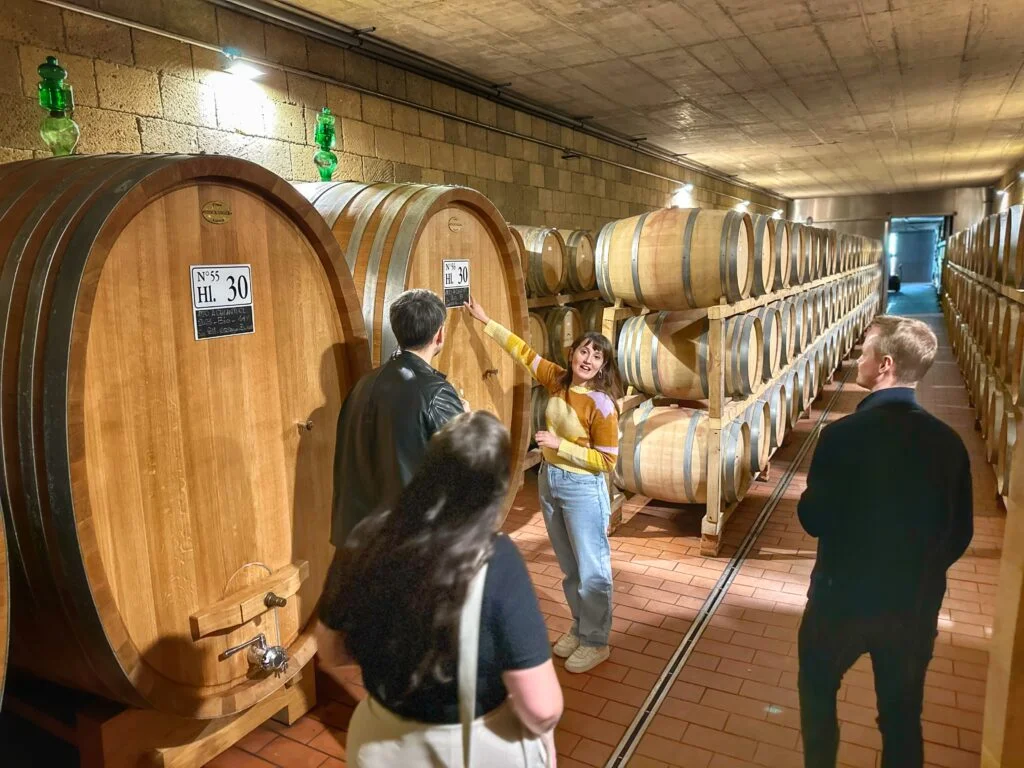
You walk the cantina as the cellar master draws samples from French and Slavonian casks, explaining how toast level and grain tightness shape tannin extraction. The tasting begins with a young Chianti Classico, its cherry and violet notes bright against your palate, then progresses to a riserva that spent thirty-six months in wood, the fruit now woven through leather and dried sage.
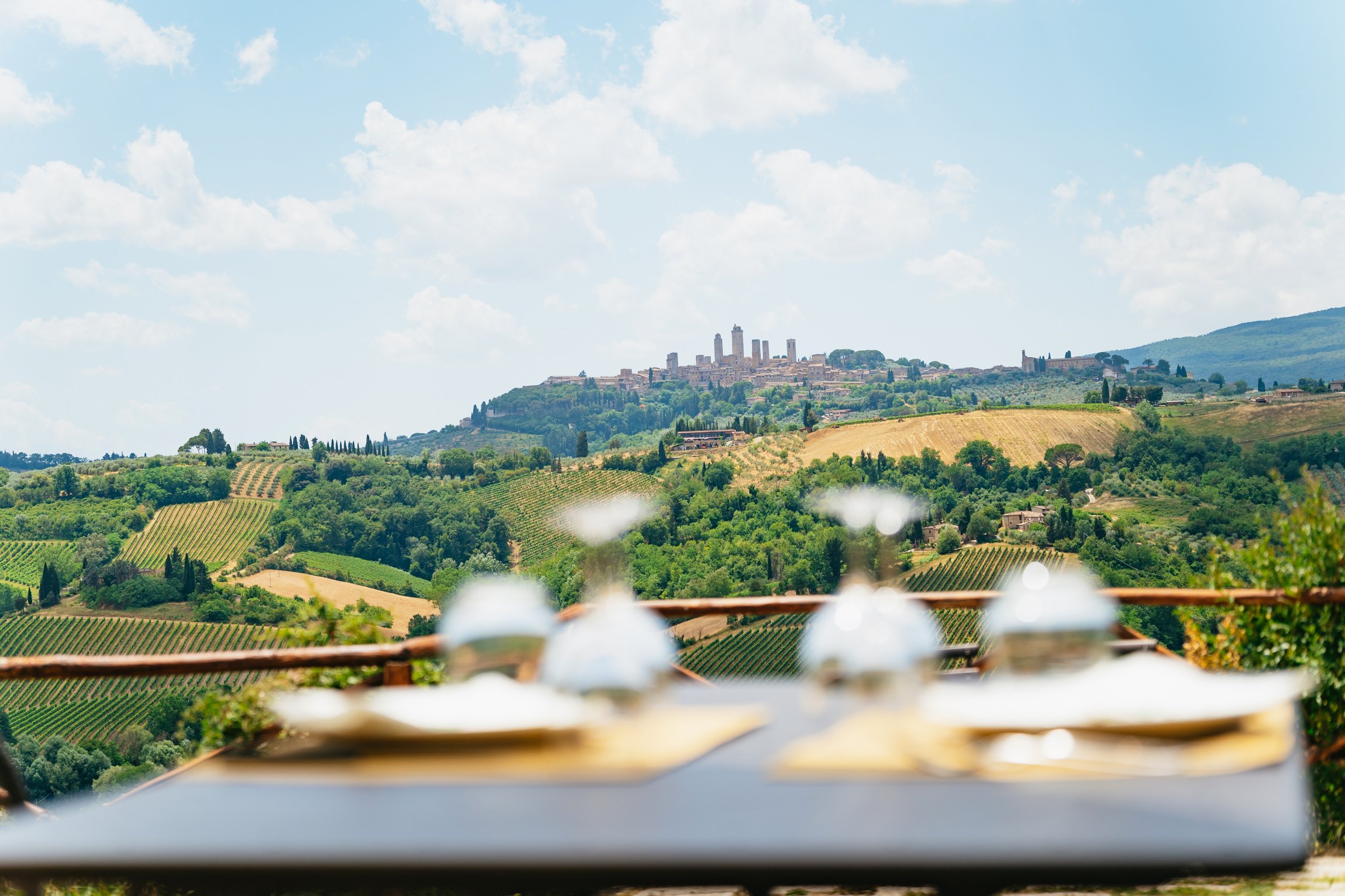
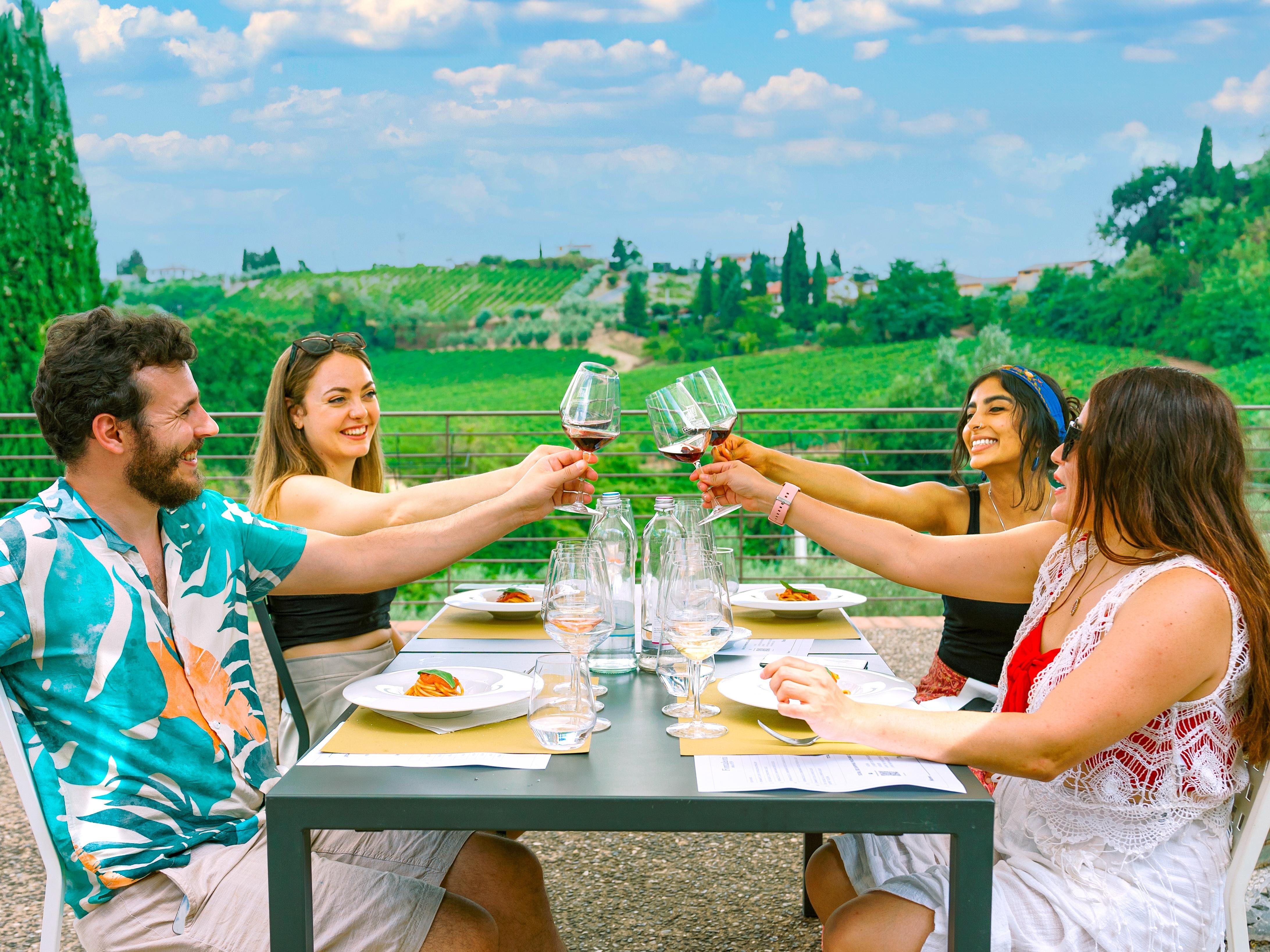
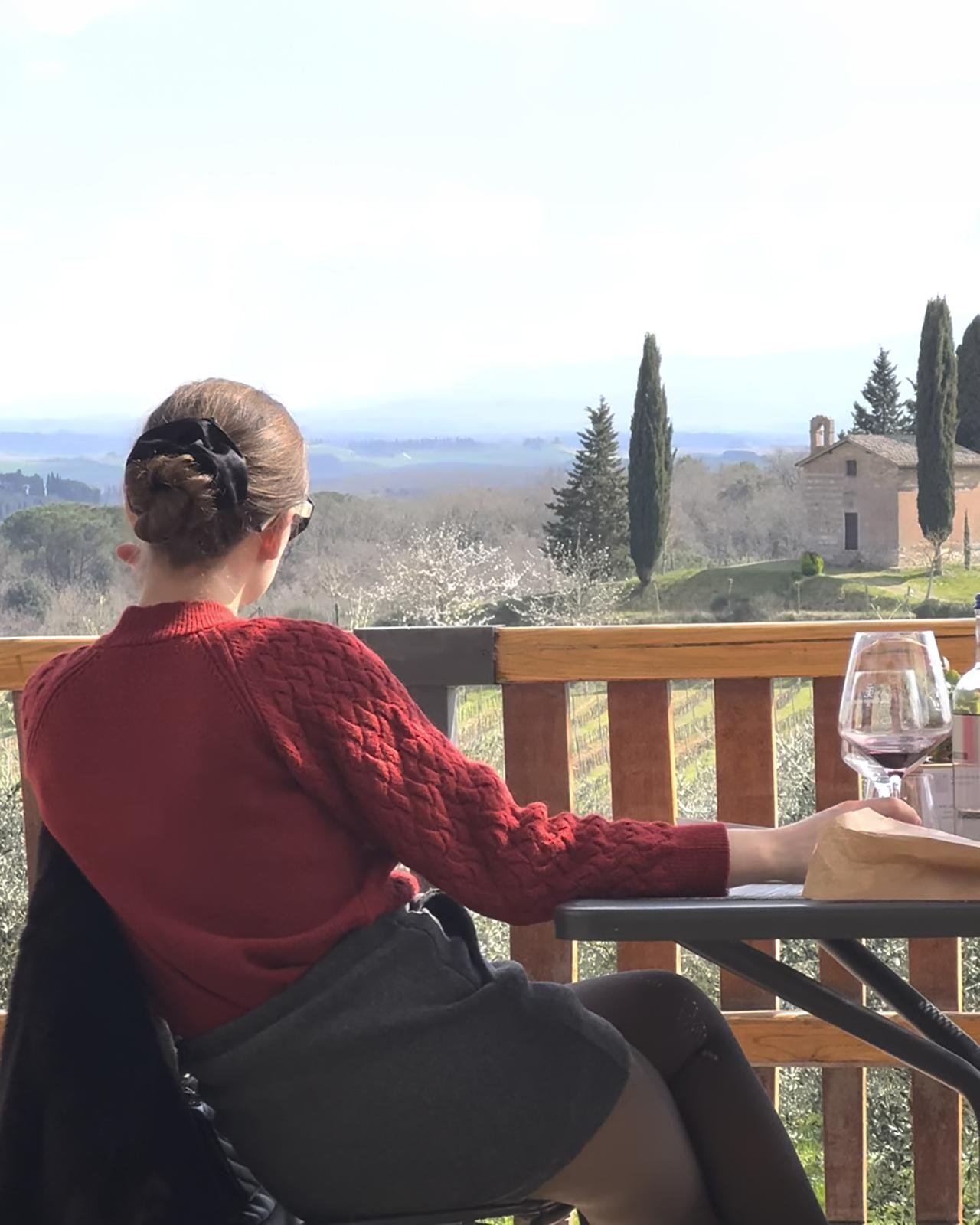
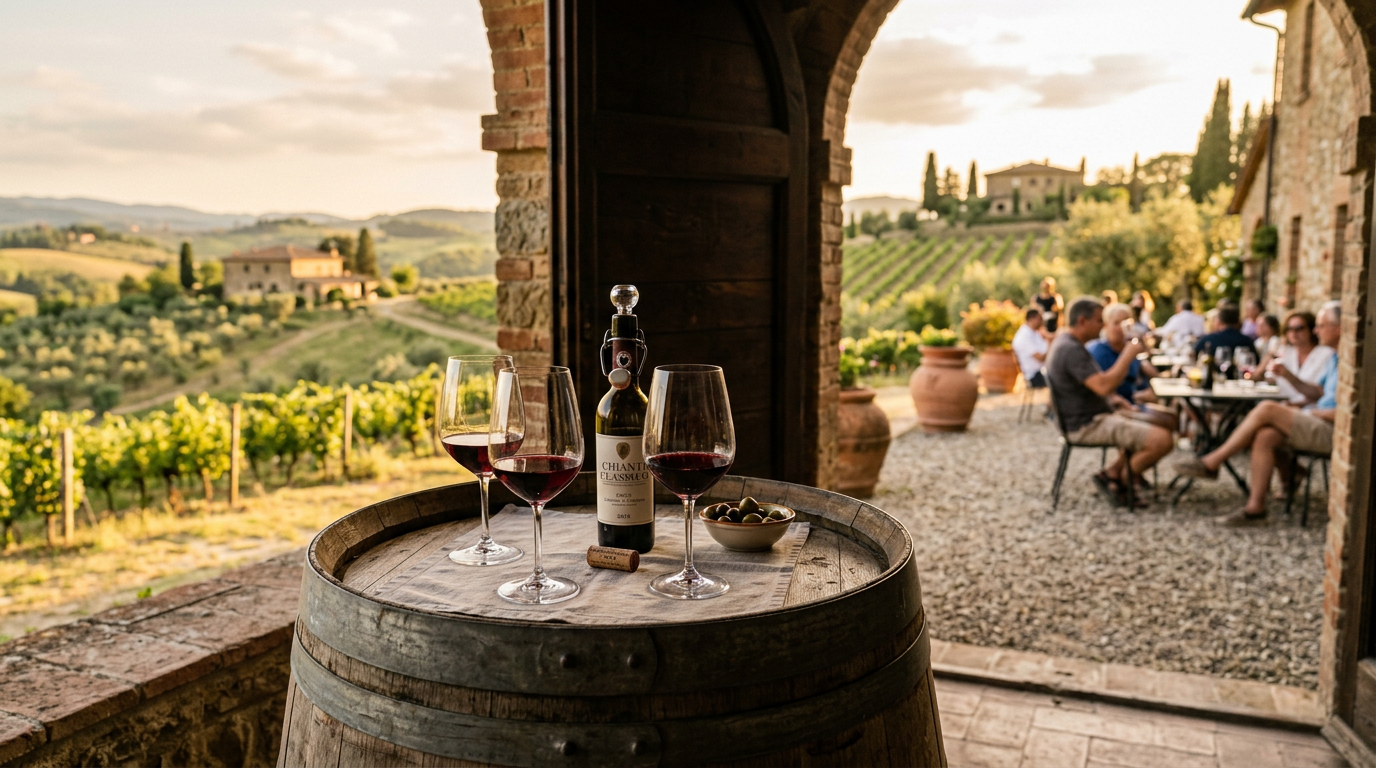
Lunch unfolds on a terrace overlooking the Val d'Elsa, five courses matched to estate wines: crostini neri with chicken liver, pici pasta in wild boar ragù, bistecca from Chianina cattle, pecorino aged in walnut leaves. You pour from bottles without labels, the house's experimental lots reserved for visitors who ask questions. Between courses you walk the vineyard, touching galestro stones that reflect daylight heat back onto ripening clusters. The second winery, reached by two-lane roads through Castellina, offers a fortified vin santo paired with cantucci almond biscuits, the amber liquid clinging to the glass as you dip and taste. You return to Siena by six, the city's brick towers backlit against September sky, five empty bottles cataloged in your phone's camera roll.
All the details about your upcoming adventure in one place
The Chianti hills produce seventeen million bottles annually from the Sangiovese grape, yet the Gallo Nero consortium seal appears on fewer than eight thousand labels — proof that authenticity in this landscape is still earned, not manufactured.
Between Siena's southern gates and Florence's northern suburbs, the Chianti Classico zone unfolds across seventy thousand hectares of clay and galestro schist, terroir that transforms the same varietal into expressions as varied as the medieval hamlets crowning each ridge. The wine predates its borders; Chianti as a name appears in thirteenth-century Florentine ledgers, but the modern appellation took shape in 1716 when Cosimo III de' Medici drew the first legal boundaries around Castellina, Radda, and Gaiole.
Today the region functions as both working agriculture and heritage landscape. Stone farmhouses converted to agriturismi anchor family estates where fifth-generation vintners prune vines their great-grandparents planted as post-phylloxera grafts in the nineteen-twenties. The disciplinare permits twenty percent Canaiolo and Colorino in the blend, but most producers push Sangiovese to eighty-five or ninety percent, chasing the tart cherry and tobacco leaf profile that made the wine a Medici table staple. Castello di Brolio, rebuilt by Bettino Ricasoli after Austrian shelling in the Risorgimento, remains the benchmark estate — Ricasoli codified the modern blend formula in eighteen seventy-two, substituting structure for the rustic sweetness that had defined earlier iterations.
Siena wine tour departures typically route through San Gimignano or Monteriggioni before reaching the vineyard belt, pairing Romanesque towers with barrel cellars in a single morning. The tours operate year-round, though vendemmia harvest weeks in late September draw advance bookings; visitors press grapes beside seasonal workers and taste must fermenting in concrete vats. Lunch on these excursions follows the fattoria model — ribollita, pappa al pomodoro, house salami — served under pergolas with views across vine rows to cypress-lined ridges. The landscape UNESCO inscribed in twenty seventeen as a cultural continuum remains a working economy; tanker trucks haul bulk Chianti to bottlers in Empoli while boutique estates hand-label reserves destined for enoteche in Greve and Panzano. Every tasting room pours a current vintage and a riserva aged thirty months in Slavonian oak, the contrast demonstrating how time and barrel char reshape the same fruit into either daily table wine or cellar-worthy complexity.

The Gallo Nero consortium seal appears on fewer than eight thousand labels — proof that authenticity in this landscape is still earned, not manufactured.
Casual and comfortable clothing is recommended for a chianti wine tour from siena tour. Flat shoes are essential for walking across uneven vineyard terrain and cellar gravel.
Small daypacks are generally acceptable during a chianti wine tour from siena, though they must be stored during transport. Security is managed by individual estate operators.
Photography is permitted at most vineyards during your chianti wine tour from siena, though guests should request permission before capturing private cellar interiors.
Family policies for a chianti wine tour from siena depend on the specific operator, with many requiring attendees to be of legal drinking age for tasting sessions.
Vineyard accessibility varies significantly; guests should confirm path types for a chianti wine tour from siena before booking. Many historic estates contain stairs and non-paved paths.
Outside food is generally prohibited at wine estates during a chianti wine tour from siena, as most operators provide curated tastings or local light fare.
Opening Hours
Closed
Address
Chianti Region, Tuscany, Italy
Accessibility
Varies by winery location
Arrival
09:00–11:00
Region
Chianti, Tuscany
Car · 1h · Cost varies by rental
Rental cars offer the most flexibility for a chianti wine tour from siena route planning.
Taxi · 45m · High cost
Private taxi services are available for a direct chianti wine tour from siena transit.
Full refunds are provided for cancellations made within the operator-specified window, typically 24-48 hours before the tour. Because the Chianti region is a destination rather than a ticketed site, the 0 EUR entrance fee is not applicable to travel.
Recommended time
5-12 hours
A comprehensive chianti wine tour from siena typically requires a full day to explore vineyard estates and medieval cellars without rushing. Planning your chianti wine tour from siena tours allows for leisurely tastings, though popular locations see increased traffic as large groups arrive by coach. Securing chianti wine tour from siena tickets in advance helps streamline your visit, ensuring you can experience the rolling Tuscan hills and local viticulture at a comfortable pace.
Crowd levels through the day
Weather · crowds · average price — dots go green to amber to red as each metric rises.
Mild temperatures and green landscapes define this period for a chianti wine tour from siena.
Expect high temperatures; ensure you follow the 09:00–11:00 arrival window to beat crowds.
Harvest season brings peak activity and vibrant colors to the Chianti region.
Wineries operate on limited schedules, making a chianti wine tour from siena less frequent.
Drink plenty of water during your chianti wine tour from siena to mitigate dehydration.
Apply sunscreen before your chianti wine tour from siena as many estates lack shade.
Secure your chianti wine tour from siena tickets well ahead of your travel date.
Bring layers, as cellar temperatures remain cool even during summer months.
Verify departure points for your chianti wine tour from siena tour to avoid delays.
The rolling hills between Florence and Siena became Europe's most scrutinized wine zone through centuries of territorial struggle and agricultural innovation. Medieval Florentine merchants established the first documented Chianti vineyards in the thirteenth century, planting Sangiovese vines on hillside plots too steep for grain cultivation. By 1398, the League of Chianti—a military alliance of three communes—gave the region its enduring name, though wine remained a secondary crop behind wheat and olives. The mezzadria sharecropping system, formalized across Tuscany in the 1500s, transformed the landscape into its current patchwork of vine rows, olive groves, and stone farmhouses. Tenant families received housing and land in exchange for splitting their harvest with absentee landlords, a feudal arrangement that persisted until outlawed in 1964. This system inadvertently preserved traditional polyculture and prevented industrial monoculture, creating the scenic diversity that attracts modern chianti wine tour from siena visitors. Baron Bettino Ricasoli, Tuscan statesman and winemaker, codified the Chianti blend formula in 1872 at his Brolio estate, mandating Sangiovese as the dominant grape with additions of Canaiolo and white Malvasia—a recipe that governed production for a century. The Consorzio Vino Chianti Classico formed in 1924 to combat counterfeiting, introducing the black rooster seal that still marks authentic bottles. Post-war land reforms dismantled the mezzadria estates, yet many sharecropper families purchased their plots and became today's small producers. The 1996 revision of Chianti Classico regulations elevated quality standards, permitting 100% Sangiovese wines and banning white grapes. Modern chianti wine tour from siena tours traverse this layered history, passing medieval castles, Renaissance villas, and twentieth-century cantinas where Gallo Nero bottles age in underground cellars carved from the same sandstone hills that anchored the original vineyards.
Florentine merchants plant Sangiovese vines on hillsides between Florence and Siena, founding Chianti's wine trade.
The League of Chianti military alliance gives the region its official name during territorial conflicts.
The mezzadria sharecropping system shapes the landscape into mixed-use plots of vines, olives, and grain.
Baron Bettino Ricasoli establishes the Chianti blend formula at Castello di Brolio, standardizing Sangiovese-dominant recipes.
Producers form the Consorzio Vino Chianti Classico and adopt the black rooster seal to fight counterfeit bottles.
Land reforms dismantle feudal estates; sharecropper families purchase vineyards and become independent winemakers.
Revised Chianti Classico regulations permit 100% Sangiovese wines and eliminate white grapes from the blend.
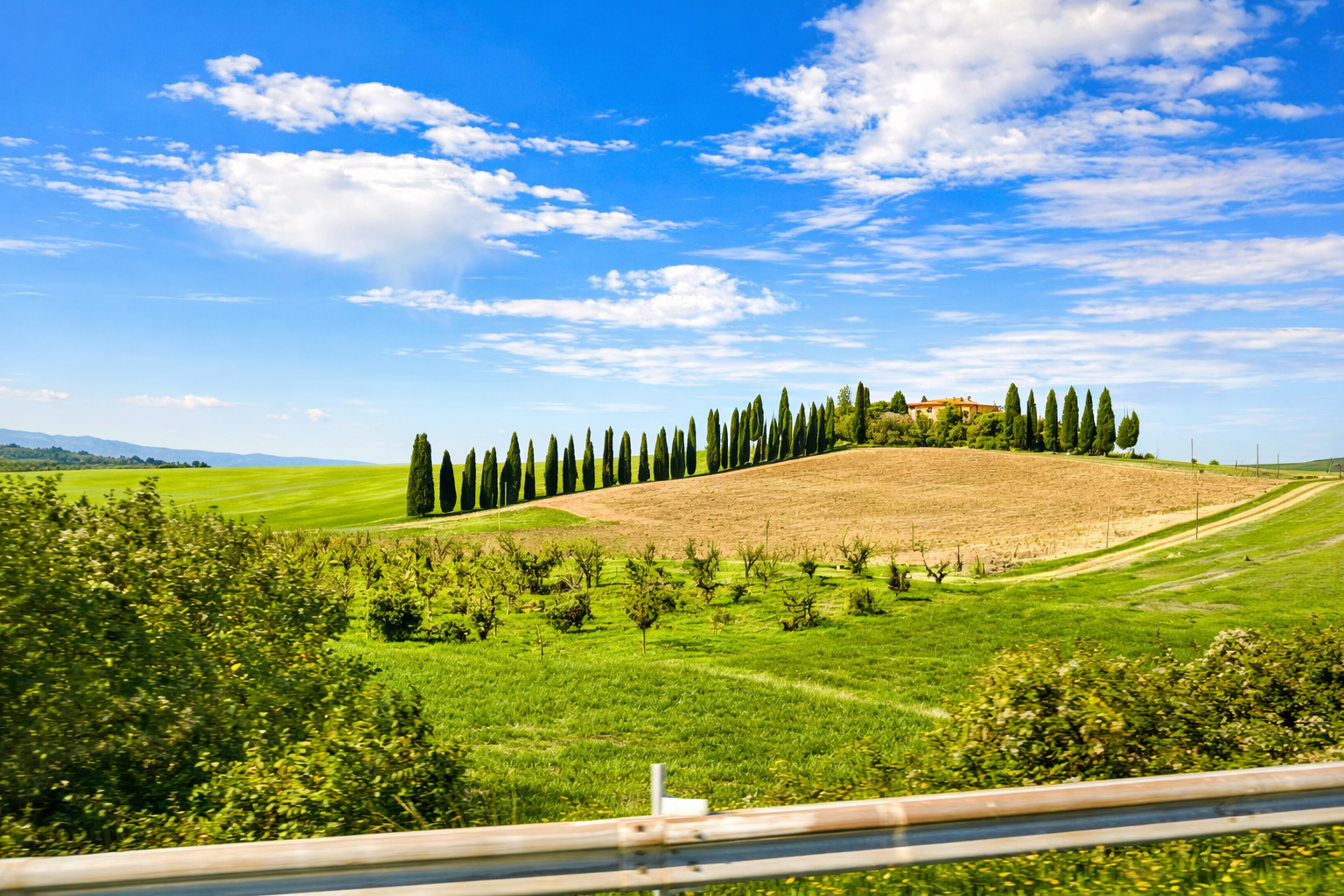
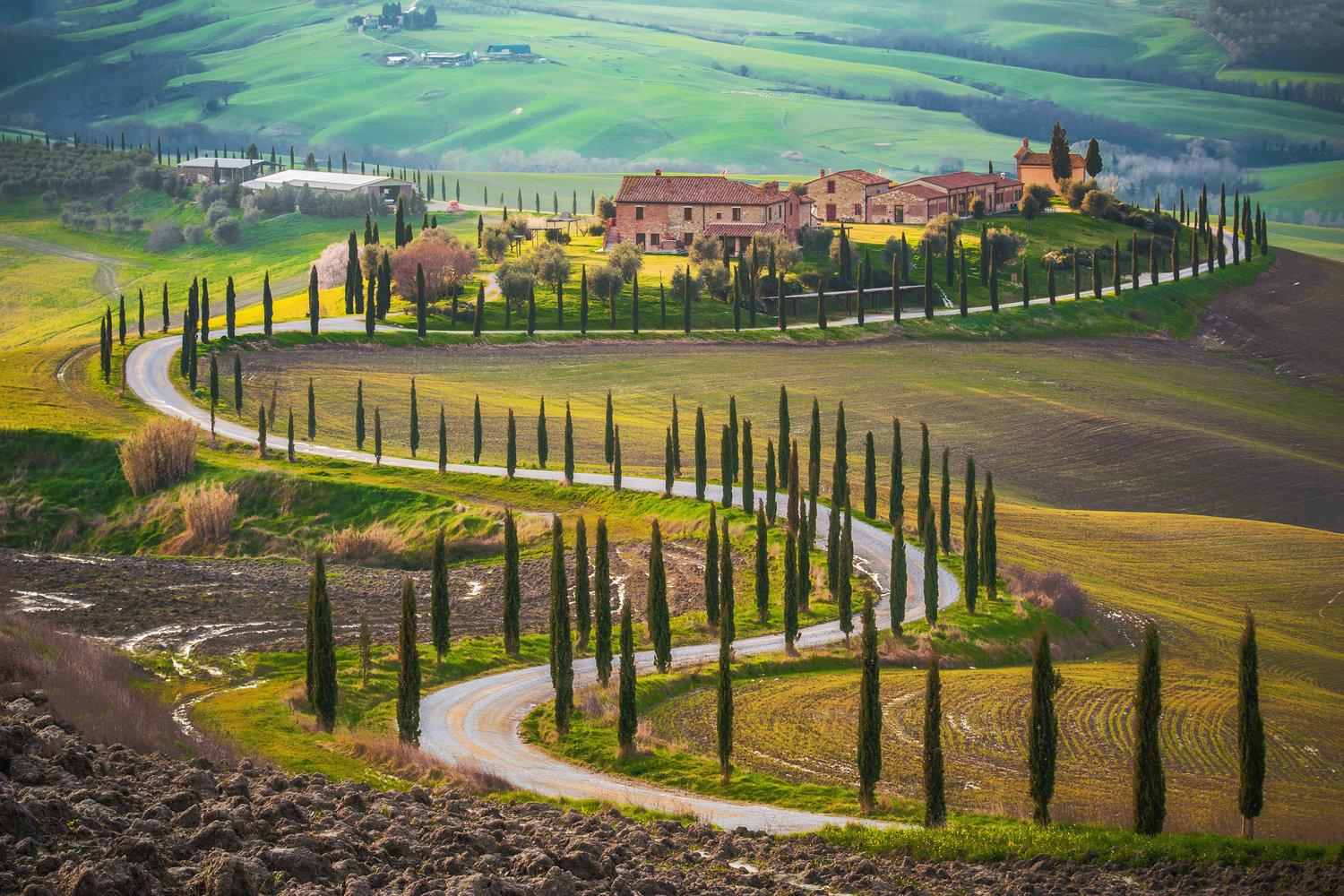
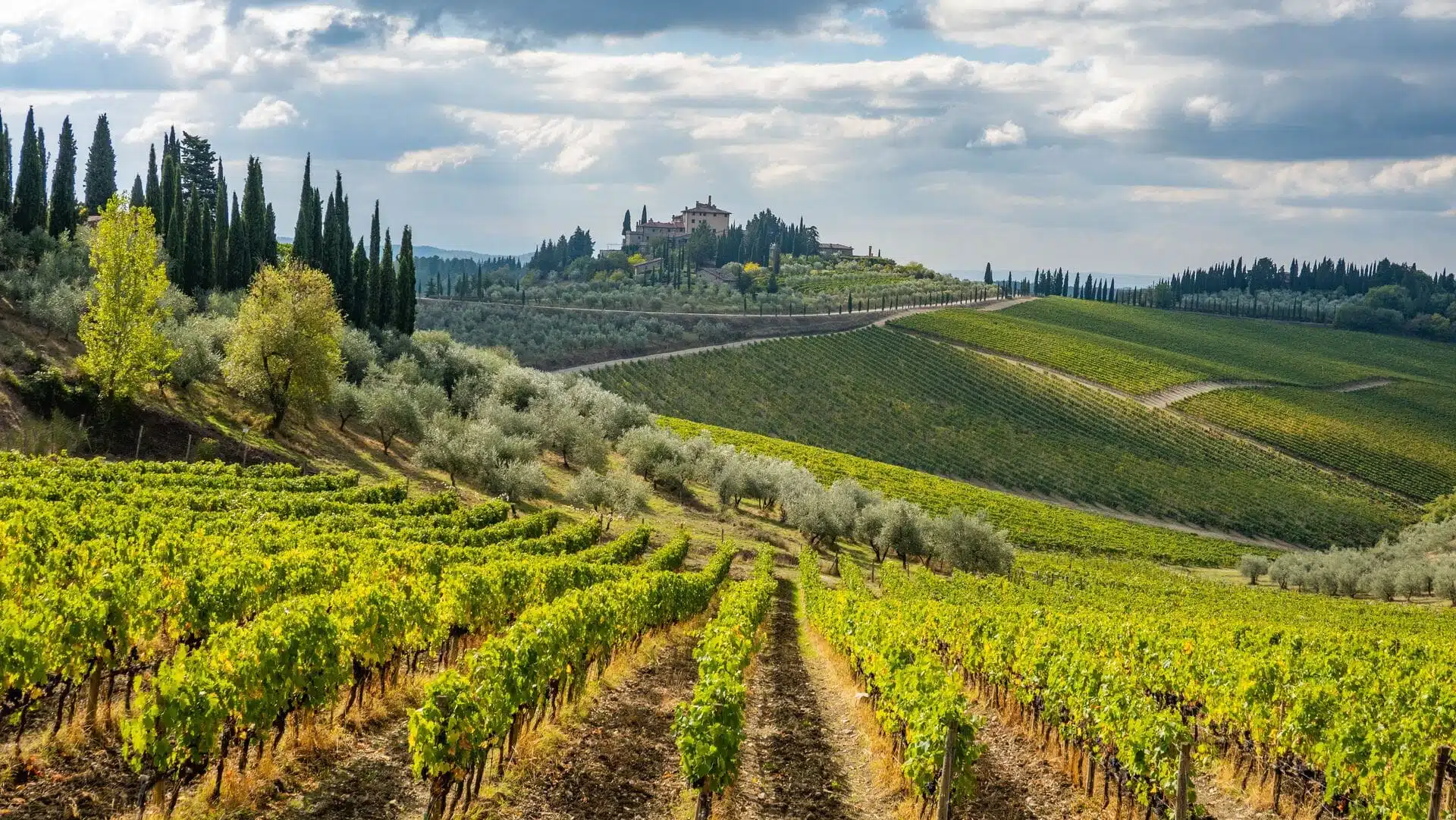
Position yourself on the southern ramparts to capture the geometric rows of cypress trees against the rolling hills. This viewpoint offers a clear perspective of the estate's sprawling vineyards and historic fortifications.
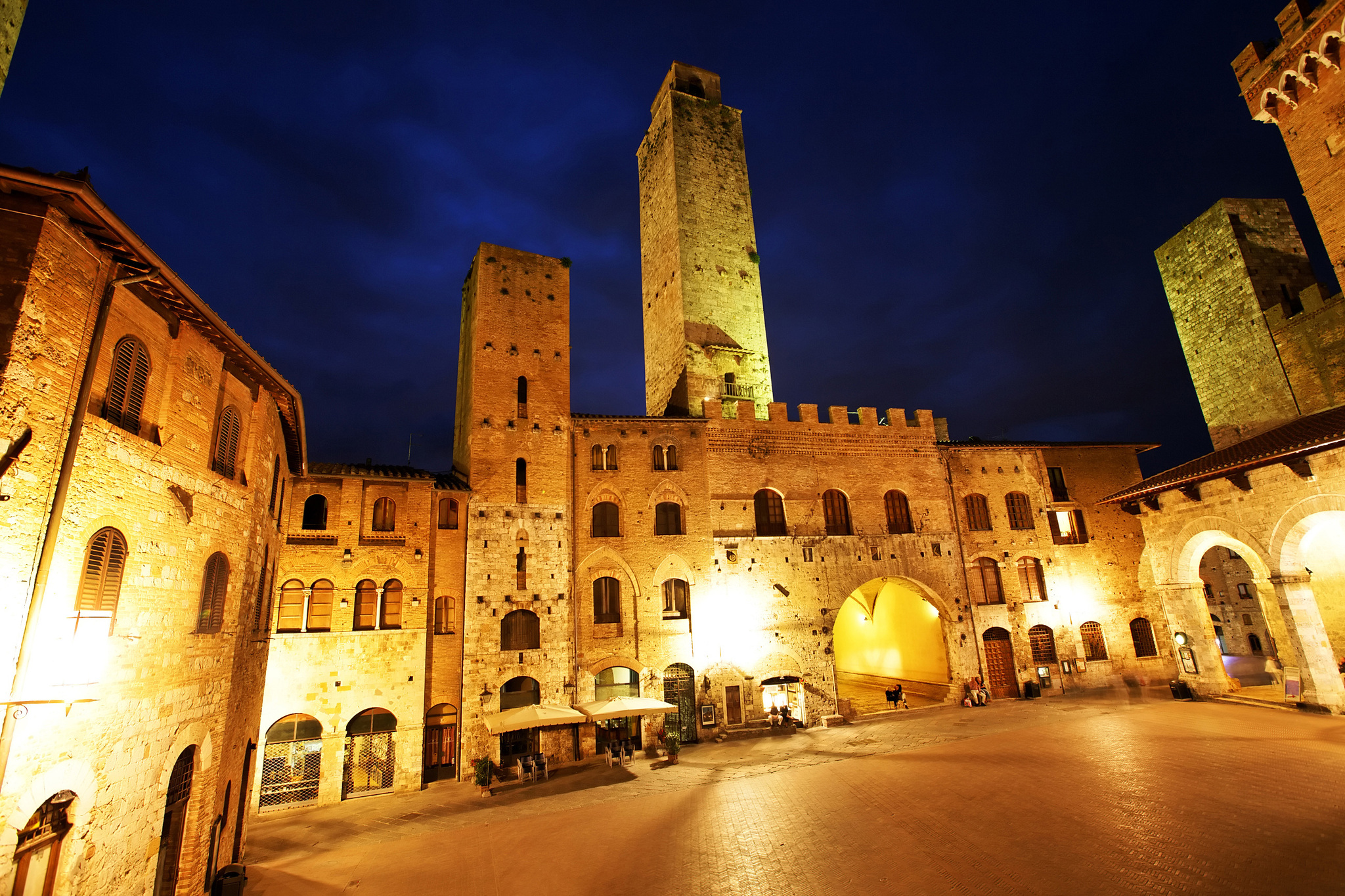
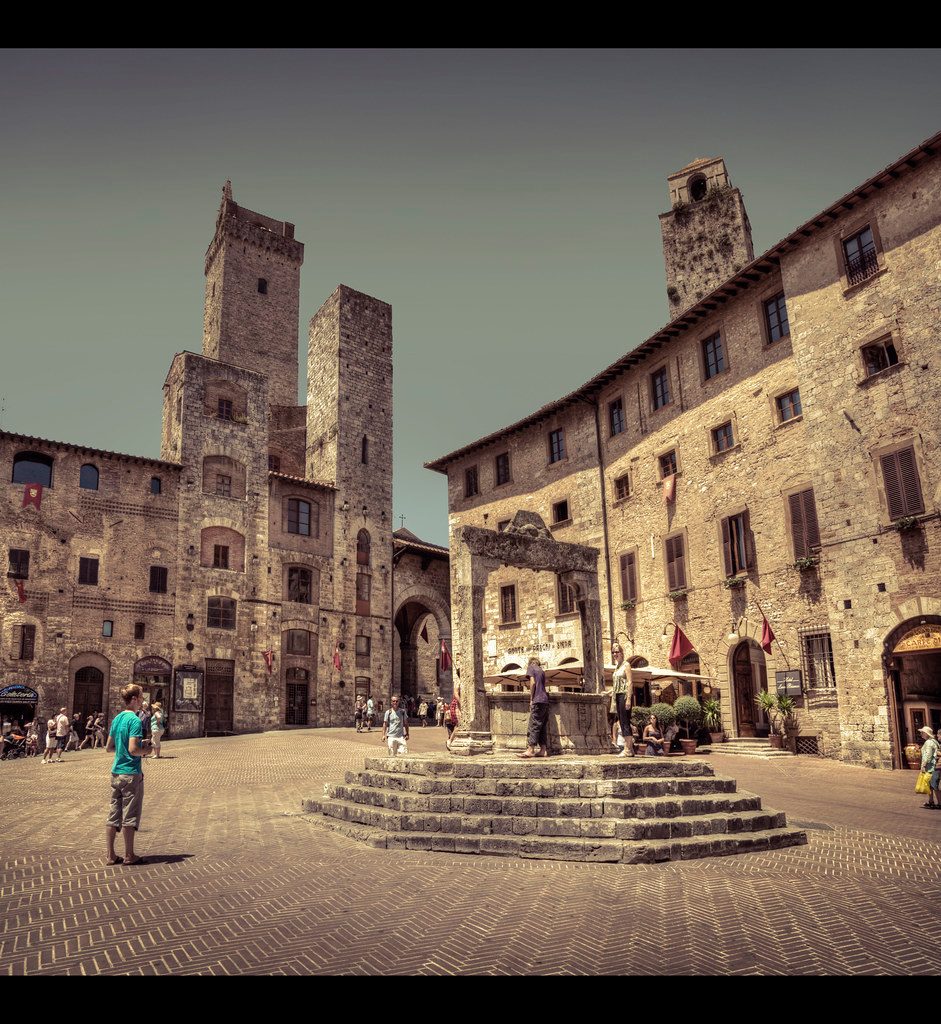
Find a vantage point near the central well in this medieval square to frame the stone tower houses typical of the region. This spot is essential for any chianti wine tour from siena if you want to capture authentic Tuscan architecture.
Look toward the abbey from the dirt road leading uphill to frame the monastery surrounded by dense forest and Sangiovese vines. The alignment of the stone structure against the sky provides a balanced composition for landscape photography.
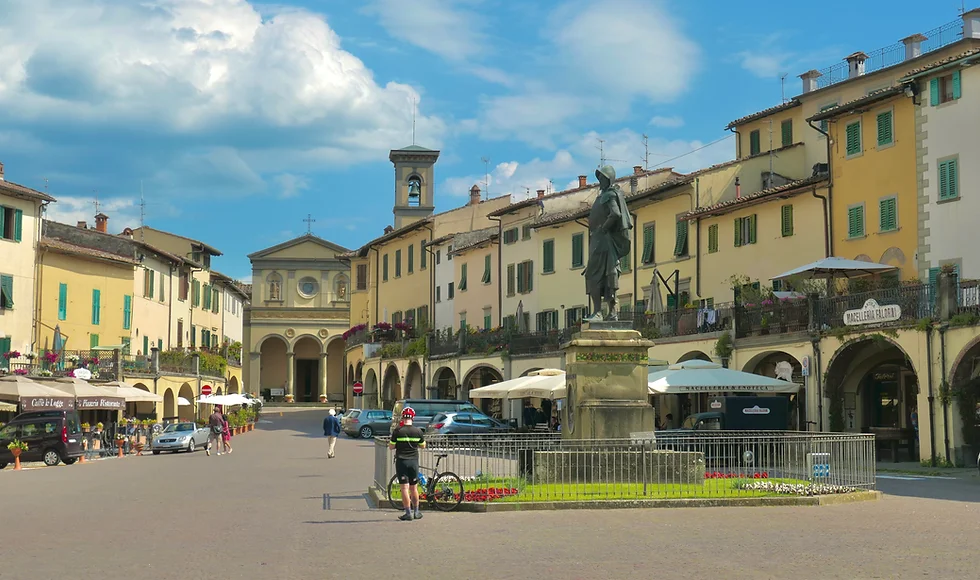
Capture the unique triangular shape of Piazza Matteotti from the upper level of the surrounding porticos to document the village atmosphere. Using these chianti wine tour from siena tours, visitors often find the best angles here before the market stalls fill the space.
Exploring the rolling hills of Tuscany with children requires careful planning, but a chianti wine tour from siena can be a relaxing way to experience the countryside together. Choosing the right operator ensures your family enjoys the picturesque vineyards while managing the logistics of regional travel.
Opt for a compact, foldable stroller or a baby carrier, as many historic estates feature gravel paths and uneven terrain that are difficult for bulky frames. Your chianti wine tour from siena tours will be much smoother if you can easily store gear in the transport vehicle.
While wine tasting is for adults, children aged 5 and older often enjoy the outdoor scenery and open spaces of rural estates. If booking a chianti wine tour from siena tour, check if the provider offers grape juice or non-alcoholic pairings for younger guests.
Follow the best arrival window of 09:00–11:00 to ensure you finish your exploration before the afternoon heat peaks. This schedule helps keep children comfortable and avoids the busiest hours for vineyard staff.
Most traditional wineries in this region lack dedicated baby-change facilities, so prepare to handle needs within your private transport. Bringing a portable changing mat is essential for convenience when moving between sites during your chianti wine tour from siena tickets booking.
Since you are visiting the Chianti Region, Tuscany, Italy, rely on pre-booked transport rather than public buses for family flexibility. This allows you to depart earlier or later based on your children's needs without sticking to a rigid transit timetable.
Exploring the countryside during a chianti wine tour from Siena offers diverse culinary stops, ranging from rustic vineyard lunches to traditional osterias. Many visitors book these experiences to pair Sangiovese varietals with local olive oil and cured meats.
Located near Badia a Passignano, this venue focuses on refined Tuscan ingredients and estate-grown pairings. It is a popular choice for those booking a chianti wine tour from Siena tours.
This spot provides an authentic atmosphere for travelers seeking farm-to-table menus. It serves as a classic stop for anyone holding chianti wine tour from Siena tickets.
Situated in the heart of Monteriggioni, this restaurant offers handmade pasta dishes. It is frequently visited by guests on a chianti wine tour from Siena tour.
Everything you need to know for your journey
Chianti is a region, not a single attraction with fixed opening hours, though booking arrival between 09:00–11:00 is advised for your chianti wine tour from siena.
Accessibility for a chianti wine tour from siena depends on the specific estate, as many involve historical sites with uneven terrain.
The best time for a chianti wine tour from siena is during the spring or autumn months to enjoy comfortable weather.
Family policies vary by operator, but a chianti wine tour from siena often focuses on wine tasting for adults.
Standard policies for chianti wine tour from siena tickets allow for full refunds if canceled within the specified timeframe.
Casual, comfortable attire is best for a chianti wine tour from siena, focusing on practical shoes for walking.
Meeting points for a chianti wine tour from siena are typically in central Siena, such as Piazza Gramsci.
Photography is usually permitted during a chianti wine tour from siena, provided you respect private estate guidelines.
Most travelers use organized transport for a chianti wine tour from siena, departing directly from central Siena.
Historic castle with extensive garden paths.
Former monastery converted into a wine estate.
Ancient town featuring fortified walls and tunnels.
Known for historic surrounding hilltop fortresses.
Refined estate lodging in the heart of Chianti.
Converted village offering panoramic Tuscan views.
Convenient hub for any chianti wine tour from siena departure.
Join thousands of happy travelers who have discovered this incredible experience
Book Your Experience Now